Key Features:
Construction: NH2C fuse-links have a cylindrical design with metal contacts, allowing for easy installation in specialized holders. Their construction ensures quick and efficient interruption of current when a fault occurs.
Rated Current: NH2C fuse-links are available in various rated currents, typically ranging from 16A to 200A. This allows users to select the most suitable fuse according to specific electrical needs.
Protection Functions: NH2C fuse-links effectively protect equipment by automatically disconnecting the power supply when the current exceeds the allowable limit. Additionally, they can be designed with fast-acting features to quickly respond to faults.
Materials: NH2C fuse-links are made from high-quality materials such as copper and ceramic or plastic housings, ensuring durability and resistance to high temperatures.
Marking: Each NH2C fuse-link is clearly marked with the rated current and other important parameters, making it easy to identify and select the appropriate fuses.
Areas of Use:
Industry: NH2C fuse-links are widely used in industrial equipment such as transformers, motors, and other high-power devices, ensuring that these devices are protected from potential failures.
Energy Companies: Used in electrical networks and power generation stations to ensure the stability and quality of electricity supply.
Commercial Spaces: Fuses are used in the electrical systems of offices and shopping centers to ensure reliable energy supply.
Advantages:
Reliability: NH2C fuse-links provide high reliability and stability even under harsh operating conditions such as high temperature and humidity.
Fast Action: These fuses respond quickly to faults, reducing the risk of potential losses and protecting electrical systems.
Versatility: NH2C fuse-links are available for different rated currents, allowing them to be used across a wide range of applications.
Disadvantages:
Cost: While NH2C fuse-links are effective, some specialized models may be more expensive than standard fuses.
Technical Knowledge Required: Proper selection and installation of fuses may require some knowledge of electrical systems.
NH2C fuse-links are essential components that ensure safety and efficiency in electrical systems. They help protect equipment from hazardous situations, reduce the risk of failures, and contribute to the long-term reliability of electrical systems. Properly selected and installed NH2C fuse-links are crucial in any electrical network, ensuring stability and safety.


 1 - 1 of 1
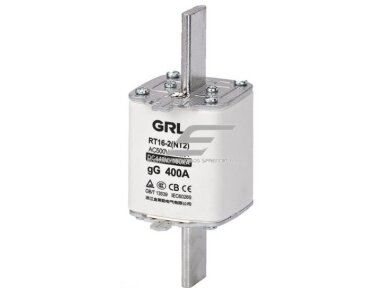
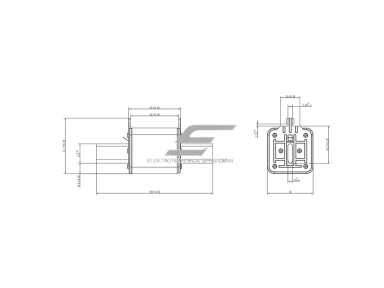 Knife fuse | ceramic | NH2 | 400A | gG | 120kA | 500VCode: NH2-400


