HVAC · AIR SUPPLY AND EXTRACT · DUCT PROTECTION
Round protective ventilation grilles – technical selection and installation guide
Grille diameters, connection flanges, protective meshes, plastic and metal designs, airflow resistance and installation principles.
Ø50–315+Connection sizes
MeshInsect protection
FlangeDuct connection
63Product variants

 Kibirkštis asks, Fazė answers – practical ventilation solutions.
Key point
The outer diameter of the grille, the size of the connection flange and the free airflow area are different parameters. A correctly selected grille protects the ventilation opening and allows the intended air movement, whereas the wrong size, an overly dense mesh or clogged louvres increase pressure losses.
1. Quick grille selection by application
Choose ventilation grilles according to the system type, duct geometry and ambient conditions. For an external wall opening a metal design with inclined louvres and a mesh may be appropriate, while for a furniture ventilation opening compact plastic or metal grilles are suitable.
|
Application |
Grille design |
Important |
|
External building wall |
Metal, inclined louvres, suitable flange |
Weather conditions, fixing, exposure to water |
|
Indoor rooms |
ABS or metal round grilles |
Airflow and finish |
|
Cabinet or furniture |
Compact Ø50 or another suitable size |
Natural air circulation and mounting opening |
|
Limiting insect entry |
Grilles with integrated mesh |
Mesh aperture size and cleaning |
|
Opening requiring maintenance |
Removable front part |
Easy removal and refitting |
2. Designs of round protective grilles
Grilles with flange
The connection spigot is designed to be inserted into a duct or opening of the matching diameter.
Grilles with mesh
Help limit the entry of insects, leaves and coarser contaminants into the system.
Removable grilles
The front part can be removed for easier cleaning and maintenance.
Inclined louvres
In outdoor models they help cover the opening and direct the airflow.
Painted steel models with a square outer housing may have a round decorative open area – so always check the overall dimension drawing, not just the word “round” in the product name.
3. Outer diameter and duct connection flange
The outer size of the grille defines the visible front part, while the flange size defines the diameter of the part connected to the duct. The insertion part may be considerably smaller than the outer trim.
|
Catalogue variant example |
Grille outer Ø |
Flange Ø |
|
Aluminium external grilles |
150 mm |
125 mm |
|
Aluminium external grilles |
180 mm |
150 mm |
|
Aluminium external grilles |
185 mm |
160 mm |
|
Aluminium external grilles |
350 mm |
315 mm |
|
Plastic removable grilles |
165 mm |
120 mm |
Practical example
If the duct is Ø160 mm, choose a model with a matching Ø160 mm connection flange. The front part of such a grille may be Ø185 mm – it covers the edges of the opening and gives a neat finish.
4. Grille materials: plastic, aluminium and steel
|
Material |
Main properties |
Application |
|
ABS / other plastic |
Lightweight housing, easy maintenance |
Indoor openings, furniture, rooms |
|
Aluminium |
Low weight and resistance to atmospheric corrosion |
External walls and ducts |
|
Galvanised steel |
Mechanical strength and protective zinc coating |
Technical and other suitable rooms |
|
Painted steel |
Robust housing and decorative finish |
Interiors, technical openings |
|
Stainless steel |
Corrosion resistance, depending on the steel grade |
Protective meshes and special components |
Painted metal grilles may be white, black, grey or sand-coloured. The colour is chosen to match the façade or interior finish, and the material according to the installation conditions.
5. Protective meshes against insects and coarser dirt
A protective mesh forms an additional barrier against insects, leaves and larger foreign objects. It is used in outdoor air openings, warehouses, workshops and other places where duct protection is important.
Metal mesh
Mechanical resistance depending on the wire and material.
Plastic mesh
Lightweight design and convenient use in compatible housings.
Removable mesh
Easier cleaning when the design allows the grille to be disassembled.
A mesh is not an air filter.
A protective insect mesh does not retain all fine dust or aerosols. A denser mesh reduces the free flow area and may clog over time, so the system requires correct airflow sizing and maintenance.
6. Airflow, free area and pressure losses
The geometric area of a grille is not equal to the effective airflow area. Louvres and meshes occupy part of the opening, so air velocity and pressure losses may increase.
Airflow formula
Q = v × A
Q – volumetric airflow m³/s, v – average air velocity m/s, A – effective flow area m².
If a large volume of air has to pass through too small a grille flow area, aerodynamic noise and resistance may increase. Lower pressure losses depend on the correct grille geometry and size; installing a grille does not by itself increase fan performance.
|
Duct Ø |
Geometric cross-section |
Note |
|
100 mm |
0.00785 m² |
Without deducting louvre and mesh area |
|
125 mm |
0.01227 m² |
Without deducting grille resistance |
|
150 mm |
0.01767 m² |
Geometric duct area |
|
160 mm |
0.02011 m² |
Geometric duct area |
|
200 mm |
0.03142 m² |
Geometric duct area |
Figures calculated with the circle formula A = πd²/4. For actual airflow sizing, the effective grille flow area and its pressure loss characteristic are assessed.
7. Straight and inclined louvres – significance of the design
Straight louvres are used for indoor and other openings where the ventilation duct must be covered while providing airflow openings. Inclined louvres are common in external wall grilles; their geometry helps protect the opening from direct weather exposure and shapes the direction of air passage.
Incorrect louvre orientation may increase the risk of water ingress or air resistance. In outdoor grilles, inclined louvres are usually oriented so as to help limit direct entry of precipitation into the opening.
8. Applications
Residential houses
Finishing of indoor and outdoor ventilation openings.
Offices and hotels
Wall and ceiling openings of ventilation systems.
Warehouses and workshops
Protection of duct ends and wall openings.
Furniture and cabinets
Air circulation in small enclosed spaces.
Industrial facilities
Technical ventilation openings according to ambient conditions.
Air heating and air conditioning
Finishing of matched air distribution openings.
9. Ventilation grille installation procedure
1. Measure the opening
Determine the dimensions of the duct and the installation location.
2. Select the flange
The connection diameter must match the duct.
3. Prepare the surface
Clean the opening and assess the mounting base.
4. Check the direction
Inclined louvres must be correctly oriented.
5. Fix the grille
Depending on the model – with the flange, screws, adhesive or another specified method.
6. Check the joint
Avoid unnecessary gaps and loose parts.
7. Assess the airflow
Check that the grille does not obstruct the intended flow.
8. Plan for maintenance
Leave access for cleaning the mesh and front parts.
With removable grille designs it is important to keep the front part accessible. Models with magnetic fixing require a suitable mounting surface and installation that matches the product design.
10. Diagram: wrong / right – duct and grille compatibility
✗ WRONG
Duct Ø160 mm
↓
Wrong flange size
Gaps, loose connection, restricted flow
↓
Increased pressure losses
Grille selected by outer diameter only.
✓ RIGHT
Duct Ø160 mm
↓
Grille with Ø160 mm flange
Proper fixing, clean mesh
↓
Intended airflow
Flange, grille and duct selected to match.
11. Practical grille selection examples
|
Situation |
Solution |
|
Ø125 mm wall duct |
Grille with Ø125 mm flange, e.g. with a Ø150 mm outer part |
|
Ø160 mm outdoor duct |
Aluminium grille with Ø160 mm flange, mesh and inclined louvres |
|
Furniture ventilation |
Compact Ø50 mm grilles to suit the furniture opening |
|
Regularly cleaned indoor opening |
Removable plastic or metal model |
|
Larger external wall opening |
Larger metal grilles with a matching flange |
12. Most common selection mistakes
|
✗ Wrong |
✓ Right |
|
The outer diameter is taken as the duct diameter. |
The connection flange is checked separately. |
|
Too small a flow area is selected. |
Air volume and pressure losses are assessed. |
|
The mesh is treated as a fine dust filter. |
A purpose-made filter is used for filtration. |
|
Outdoor conditions are ignored. |
A suitable material and louvre design are selected. |
|
Cleaning is not considered. |
Access for grille maintenance is ensured. |
|
The grille is installed unstably. |
Fixing appropriate to the design is used. |
13. Cleaning, maintenance and operation of grilles
Maintenance of ventilation grilles helps maintain the intended airflow. Dust, insects and other dirt accumulate on the louvres and mesh, reducing the free flow area.
Inspection
Check the louvres, mesh cleanliness and fixing.
Cleaning
Remove accumulated dust and coarser dirt.
Removable part
Where provided, the front part is removed and cleaned separately.
Refitting
Check that the mesh and cover are held securely.
Benefit of maintenance
Clean grilles and meshes reduce unwanted additional air resistance. The cleaning interval depends on ambient pollution, the number of insects and the intensity of system use.
14. FAQ – Kibirkštis asks, Fazė answers
10 practical questions about grille diameters, materials, meshes, airflow, outdoor installation and maintenance.
Kibirkštis asks · 01 What is the difference between a D185 grille and a D160 flange?
Fazė answers D185 refers to the outer diameter of the grille, and D160 to the diameter of the connection flange. A model with a D160 flange may be intended for a Ø160 mm duct, although the visible part of the grille is Ø185 mm.
Kibirkštis asks · 02 Does a protective mesh stop all dust?
Fazė answers No. The mesh helps limit the entry of insects, leaves and larger particles, but it is not a fine dust filter. If the ventilation system requires air filtration, a special filter of the appropriate type is used.
Kibirkštis asks · 03 Can grilles reduce the airflow?
Fazė answers Yes. Louvres and meshes create air resistance. If the effective flow area is too small or the mesh is clogged, the air volume may decrease and noise may increase. It is important to select grilles according to the system airflow.
Kibirkštis asks · 04 When is it better to choose aluminium and when plastic grilles?
Fazė answers Aluminium grilles are often chosen for external wall openings due to their low weight and resistance to atmospheric corrosion. Plastic grilles are convenient for indoor rooms and small openings. The final decision depends on the specific product design, ambient temperature and installation location.
Kibirkštis asks · 05 Are grilles with inclined louvres suitable for an external wall?
Fazė answers Yes, this design is often used for outdoor openings. Inclined louvres help limit direct entry of precipitation and cover the duct opening. Correct louvre orientation and a weather-resistant material are important during installation.
Kibirkštis asks · 06 Are Ø50 mm grilles suitable for cabinet ventilation?
Fazė answers Yes, purpose-made Ø50 mm models can be used for air circulation in furniture, cabinets and other small enclosed spaces. The air inlet and outlet path must be assessed so that real circulation is achieved.
Kibirkštis asks · 07 Are removable grilles easier to maintain?
Fazė answers Yes. If the front part of the grille is removable, the louvres, meshes and accessible duct opening can be cleaned more easily. Some models have magnetic fixing, others mechanical, so the removal method differs.
Kibirkštis asks · 08 Can grilles be fixed with adhesive?
Fazė answers Some models are designed for adhesive fixing, others for screws or a flange. It is important to follow the fixing principle of the specific design and to ensure that the grille does not work loose due to airflow, vibration or environmental exposure.
Kibirkštis asks · 09 Are grilles suitable for both air supply and extract?
Fazė answers Some round grilles are suitable for both airflow directions. For outdoor and specialised designs, louvre orientation, airflow resistance and the specific installation purpose are important. Universal use depends on the model.
Kibirkštis asks · 10 What data do I need to know before buying grilles?
Fazė answers You need to know the diameter of the duct or installation opening, whether the grille will be outdoors or indoors, whether a protective mesh is required, which material and colour are suitable, what the fixing method will be and what air volume is to be passed.
Kibirkštis and Fazė remind you
Always distinguish the outer size of the grille from the diameter of the connection flange. Select a suitable free flow area, mesh design and material, and clean installed grilles periodically.
15. Technical requirements and design principles
-
LST EN 12237 – strength and leakage requirements for circular sheet metal ventilation ducts, where applicable to the duct system.
-
LST EN 1506 – dimensions of circular ducts and fittings.
-
LST EN 16798 series – energy performance and ventilation design parameters of buildings in the relevant fields of application.
-
LST EN 13141 series – performance testing methods for residential ventilation components, where applicable to the specific component.
Ventilation system components are selected according to the design airflow, permissible pressure drop, and mechanical and ambient conditions. Protective grilles are neither a standalone fan nor an air filter and cannot compensate for an incorrectly designed duct.
Installation and maintenance note
The fixing of outdoor grilles must be sufficiently resistant to weather exposure. When using an insect mesh, it is important to keep access for cleaning it and not to block the intended airflow.
Round protective ventilation grilles for ventilation systems
Choose plastic or metal ventilation grilles with a suitable connection flange, protective mesh and fixing design. When selecting, consider the duct diameter, the outer size of the grille, the airflow parameters and the installation location.
View round ventilation grilles
UAB “Elektrotechnikos sprendimai” – ventilation system components, protective grilles and engineering solutions.
Round protective ventilation grilles are an essential part of ventilation systems, ensuring efficient airflow and protection from dust, pests, and foreign objects entering the ducts. They are widely used in both residential and industrial building ventilation systems, ensuring optimal air circulation and long-term operation of the ventilation system.
Purpose:
Ensures proper ventilation for buildings, factories, warehouses, and other spaces.
Protects ducts from insects, debris, leaves, and other unwanted objects.
Helps prevent system contamination and ensures clean air supply.
Technical Specifications:
Materials: Stainless steel, galvanized steel, aluminum, plastic.
Diameter: 100 mm, 125 mm, 150 mm, 200 mm, 250 mm, etc.
Installation: Wall, ceiling, or duct-mounted, depending on the design.
Additional Features: Some models may have integrated insect mesh or sliding valves.
Mesh Type: Metal or plastic protective mesh.
Functions:
Efficient airflow distribution
Protection against dust, insects, and debris
Corrosion resistance and long service life
Easy installation with various ventilation systems
Usage:
Residential houses and apartments
Industrial and commercial spaces
Warehouses, workshops, and factories
Restaurants, hotels, and offices
Pros:
Improves ventilation system efficiency
Protects ducts from unwanted elements
Durable and weather-resistant materials
Cons:
Incorrect sizing may reduce airflow
Some models may require periodic maintenance and cleaning
Round protective ventilation grilles are a necessary solution for an efficient and safe ventilation system. They ensure quality airflow and protect ventilation openings from contamination and unwanted objects.


 1 - 12 of 12

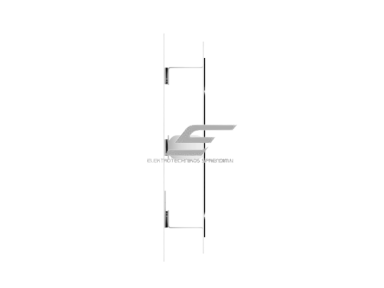
 Ventilation grille | for ventilation systems | with mesh | round | 140x140 | removable | white color | painted steelCode: 053461
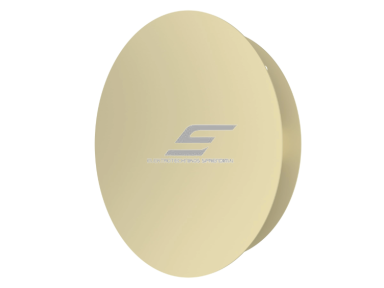
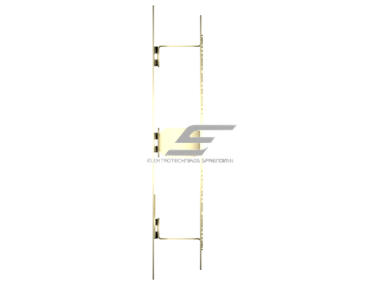 Ventilation grille | for ventilation systems | with mesh | round | 200x200 | removable | beige color | painted steelCode: 053472
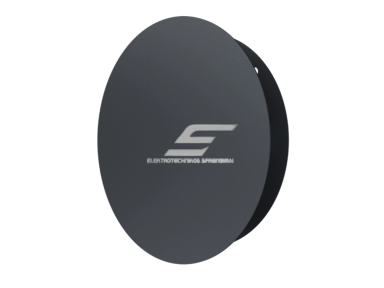
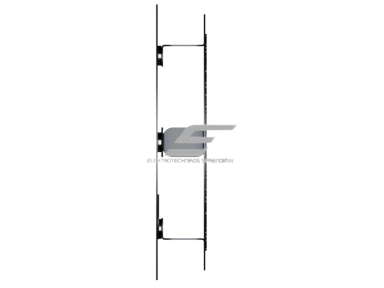 Ventilation grille | for ventilation systems | with mesh | round | 200x200 | removable | grey color | painted steelCode: 053471
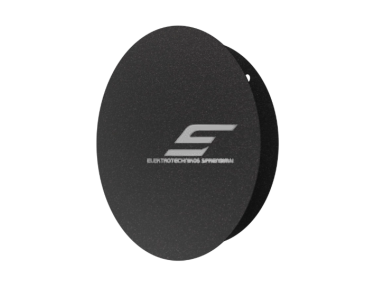
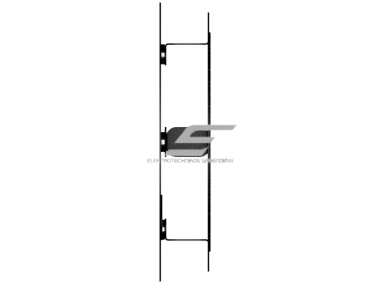 Ventilation grille | for ventilation systems | with mesh | round | 200x200 | removable | black color | painted steelCode: 053470

 Ventilation grille | for ventilation systems | with mesh | round | 200x200 | removable | white color | painted steelCode: 053469
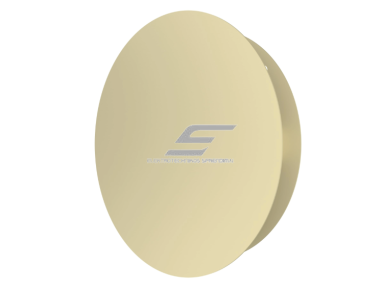
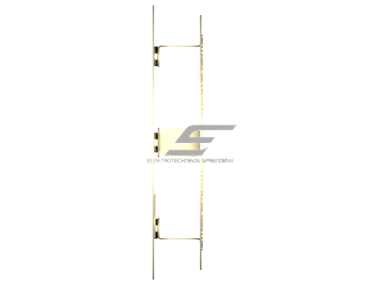 Ventilation grille | for ventilation systems | with mesh | round | 170x170 | removable | beige color | painted steelCode: 053468
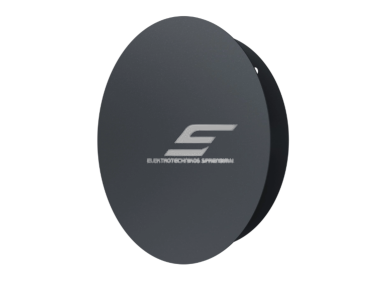
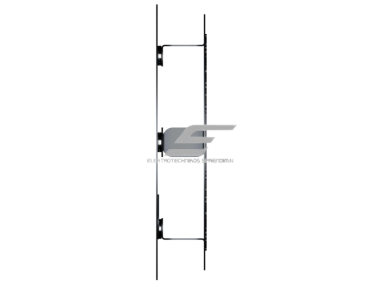 Ventilation grille | for ventilation systems | with mesh | round | 170x170 | removable | grey color | painted steelCode: 053467
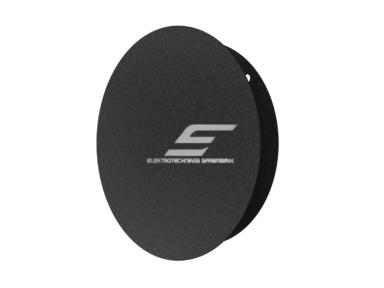
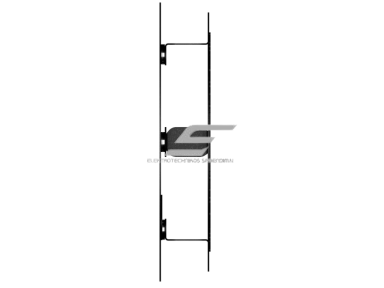 Ventilation grille | for ventilation systems | with mesh | round | 170x170 | removable | black color | painted steelCode: 053466

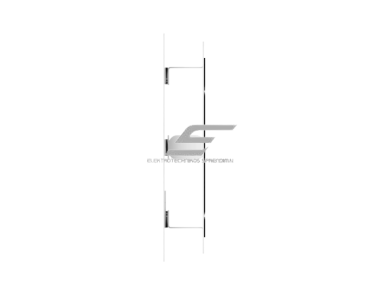 Ventilation grille | for ventilation systems | with mesh | round | 170x170 | removable | white color | painted steelCode: 053465
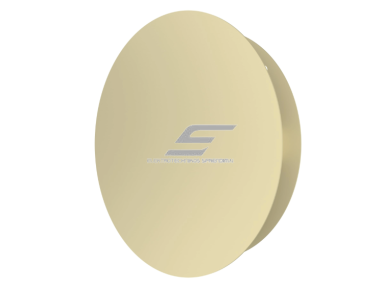
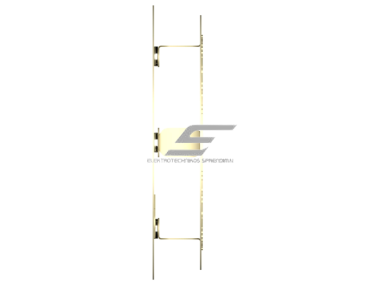 Ventilation grille | for ventilation systems | with mesh | round | 140x140 | removable | beige color | painted steelCode: 053464
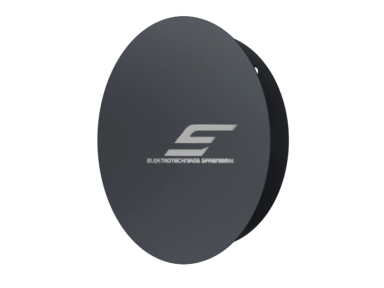
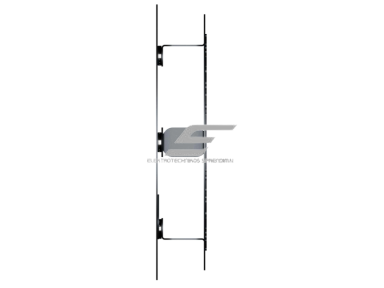 Ventilation grille | for ventilation systems | with mesh | round | 140x140 | removable | grey color | painted steelCode: 053463
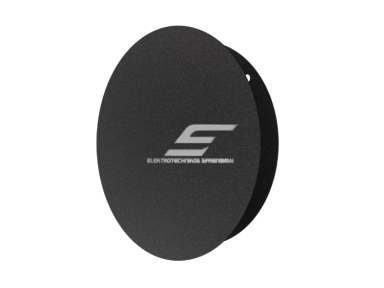
 Ventilation grille | for ventilation systems | with mesh | round | 140x140 | removable | black color | painted steelCode: 053462


