


Aromatic diffusers | essential oil diffusers for homes | offices | industrial premises
-
Aroma diffuser guide: how to create an atmosphere people want to stay in
How to choose an essential oil diffuser for your home, office or scent marketing: quick selection by room size, how to calculate volume, how waterless diffusion and ventilation connection work, what to check before buying, allergies and fragrance sensitivity, the most common mistakes and answers to key questions.
Colour key: ■ information · ■ benefit, solution · ■ ⚠ check · ■ ⚡ safety, mistakes
Contents: What do you need? · What people sense · Which scent to choose · How it works · Via ventilation (HVAC) · How to calculate · What to check · Allergies · Mistakes · Where to place it · FAQWhat do you need? Quick selection
Situation Solution Examples Car, desk, small room up to 50 m³ Portable rechargeable diffuser, 10 ml, 5 V DC (USB) power supply ESGAS-40 Bedroom, private office, hotel room, waiting room 50–300 m³ Compact 120–200 ml diffuser with Bluetooth control; the quietest models run at around 30–36 dB ESGT-1203, ESGT-300F, ES-RFT-OD10 Office, beauty salon, small shop 500–1000 m³ 260–500 ml diffuser, wall-mounted or freestanding, with operating schedules ESGT-500, ESGT-1000 Larger shop, restaurant, spa, gym 1000–2000 m³ 500–1000 ml diffuser with Wi-Fi or Bluetooth control ESGT-2000, ES-GL-D2000 Hotel lobby, retail floor, event venue 3000–6000 m³ 1000–1200 ml commercial diffuser; many models can be connected to a ventilation duct ES-MLK-U10, ESGT-5000, ES-GAL-5000, ES-MA-6000 The same scent in every room at once – via the ventilation system Duct-mounted diffuser or a model with an HVAC connection – the scent is fed into the supply air duct ES-GL-BB1, ES-A1000, ES-TYL-AM-05 Many models come in several colours (black, white, silver, gold) – these are shown in the product list.
Not just a scent in the air, but an atmosphere people want to stay in
For a scent to surround you naturally rather than feel like a spray, the way it is dispersed matters. Cold-air nebulization with no water and no heat breaks the oil down into ultra-fine particles that stay airborne for a long time and spread evenly. You control intensity and operating hours from an app, so the atmosphere is crafted rather than imposed.
- Pure aroma – no water, so the scent is not diluted and room humidity does not rise.
- Operating schedules – the diffuser runs only during business hours and only on the days you choose.
- Work/pause cycles – e.g. 10 s on, 120 s off: the scent stays consistent while oil consumption drops.
- One solution for the whole building – models with an HVAC connection distribute the scent through the ventilation system.
What people sense when they walk into a room
People judge a space within the first few seconds – before they take in the interior or hear a greeting. The sense of smell is linked more directly than other senses to the brain areas responsible for emotion and memory, so scent affects mood quickly and often subconsciously.
Cleanliness and order
No stale air, damp or kitchen odours – the space feels well kept before anyone has even looked around.
Calm
A pleasant, unobtrusive scent creates a more relaxed atmosphere where people want to linger.
Recognition
Scents are closely tied to memory, so a consistent aroma becomes a recognisable signature of your venue.
Consistent atmosphere
With the right capacity and placement, the scent spreads evenly: not too strong by the door, not missing in the corners.
Which scent to choose: the venue and the feeling you want
Venue Desired feeling Scent direction Hotel lobby, reception Hospitality, luxury Woody notes, white tea, amber Office, meeting room Focus, freshness Citrus, mint, rosemary Shop, showroom Enjoyment, a wish to stay longer Vanilla, fig, soft florals Spa, beauty salon Relaxation Lavender, eucalyptus, sandalwood Home Cosiness, that “I'm home” feeling Cotton, cedar, light fruits Gym, changing room Freshness, cleanliness Marine and green tea notes Scent directions are indicative. Use only oils intended for diffusers; we will help you find the right aroma – ask us.
How a waterless diffuser works
Essential oil in the reservoir→Cold-air nebulization (no water, no heat)→Ultra-fine aroma mist→Airflow in the room or duct→✓ Even, consistent scent✗ Ultrasonic humidifier with a few drops of oil
- Oil is diluted with water – the scent is weak and inconsistent
- Increases room humidity
- Suitable for a small room only
- Needs frequent refilling with water and descaling
✓ Waterless nebulizing diffuser
- Pure oil – a vivid, even scent
- No increase in humidity
- Models from 50 to 6000 m³
- App control, schedules, work/pause cycles
Scenting through the ventilation system (HVAC)
In a larger building you do not need a separate diffuser in every room. A duct-mounted diffuser or a model with an HVAC connection feeds the aroma mist through a hose into the supply air duct, and the ventilation system distributes it to every room it serves.
- Connection point – the supply air duct, downstream of the filters, so the filter does not absorb the aroma.
- Works only while the ventilation is running – align the diffuser schedule with the ventilation operating hours.
- Coverage – calculate the total volume of all rooms served by the supply air.
- Not every model has an HVAC connection – check the product description.
Example: ES-GL-BB1 – a central duct-mounted diffuser, 1000 ml, up to 2000 m³, with a built-in fan and a 2 m duct for connection to the ventilation system.
How to calculate: m³, consumption and noise
Manufacturers state coverage in cubic metres (m³) – that is the room volume, not the floor area. This is the most common selection mistake.
How to calculate volume: floor area (m²) × ceiling height (m) = volume (m³). E.g. a salon of 200 m² × 3 m = 600 m³ → add a ~30–60 % margin (780–960 m³) and choose the nearest model with higher coverage – 1000 m³. The margin accounts for ventilation, opening doors and high ceilings, which make the scent “dissipate” faster.
Room Volume Recommended coverage (nearest model) Bedroom 15 m² × 2.7 m ~40 m³ 50–200 m³ Office 60 m² × 3 m ~180 m³ ~250–300 m³ Salon, shop 200 m² × 3 m ~600 m³ ~1000 m³ Restaurant 400 m² × 3.5 m ~1400 m³ 2000 m³ Hotel lobby 600 m² × 5 m ~3000 m³ 4000–5000 m³ Recommendation = volume + ~30–60 % margin, rounded up to the nearest model coverage. The bars show volume on a compressed scale so that both small and large rooms remain visible.
How long does a reservoir last? Consumption depends on intensity and work cycles. For example, the duct-mounted ES-GL-BB1 uses about 3.3 ml/h. Running 10 hours a day, that is ~33 ml per day, so a 1000 ml reservoir lasts roughly a month. With longer pauses between cycles, it lasts longer.Noise. The noise level of our diffusers ranges from ~30 dB (a soft whisper) to ~50 dB (a quiet conversation). For bedrooms, private offices and spas, choose up to ~36 dB; in a shop, lobby or restaurant, 45–50 dB goes unnoticed.⚠ What to check before buying
 KibirkštisBefore ordering a diffuser for a client, I always double-check these points – that way there is no need to swap the model later.
What to check Why it matters Coverage in m³ Calculate volume, not floor area, and keep a margin (~30–60 %) for ventilation and opening doors. Mounting Freestanding, wall-mounted or duct-mounted (ceiling). A duct-mounted unit needs access to the supply air duct. Power supply 5 V DC (USB, rechargeable), 12 V DC via adapter or 230 V directly from a socket – check there is a socket near the installation point. Control Bluetooth is controlled within close range; Wi-Fi allows remote control, and several units can be managed from one app. Reservoir capacity A larger reservoir means less frequent refilling. For commercial spaces, choose 500 ml or more. Noise level In quiet rooms – up to ~36 dB. People and pets in the room Are there people with allergies or asthma, young children or pets? See allergies and sensitivity. ⚠ Allergies and fragrance sensitivity- Natural does not mean neutral. Essential oils contain fragrance allergens (e.g. limonene, linalool, citral, geraniol) that can trigger reactions in sensitive people. In 2023 the EU significantly expanded the list of these substances that must be labelled.
- Asthma and sensitive airways – an intense, constant scent can be irritating. Choose low intensity and work/pause cycles.
- Store oils properly – tightly closed, in a cool, dark place: oxidised oil is more irritating.
- Ventilate and do not use the diffuser together with an ozone generator – ozone reacts with terpenes in the oils to form secondary pollutants.
- Pets and young children – some oils (tea tree, eucalyptus, citrus, peppermint) are unsuitable for cats; eucalyptus and peppermint are not recommended near young children.
- Choose oils with a safety data sheet and proper labelling – the allergens are listed there. In workplaces, agree on the scent with employees.
✗ The most common mistakes
Mistake Consequence Choosing a diffuser by floor area (m²) instead of volume (m³) In high-ceilinged rooms the scent is barely noticeable. Setting maximum intensity straight away The scent becomes tiring, people get used to it and stop noticing it – oil is wasted. Placing the diffuser by the entrance door or under an air conditioner Draughts carry the scent outside or concentrate it in one spot. Connecting an HVAC diffuser to the extract duct The scent is exhausted outside immediately – none reaches the rooms. Connecting upstream of the filter The filter absorbs part of the aroma, so the scent is weaker. Filling with perfume, oil mixed with water or thick oil The nozzle clogs and the diffuser stops working. Placing the diffuser near a heater or an open flame ⚡ Essential oils are flammable – keep them away from heat and ignition sources. 
⚡ Safe use – Fazė's advice
- The best scent is one people notice but cannot quite name. Start at the lowest intensity and increase gradually.
- Use only the original adapter – an unsuitable adapter can damage the pump or the control board.
- For sensitive people, young children and pets – lower intensity and a suitable aroma (allergies and sensitivity).
- Keep oils out of the reach of children, and do not place the diffuser near heaters or open flames.
- Connect a duct-mounted diffuser to the ventilation system according to the manufacturer's instructions without compromising duct airtightness; any fixed connection to the 230 V mains must be made by a qualified electrician.
☝ Elsprendimai.eu recommends: to complete the atmosphere of the whole space, add air purifiers (choose models without an ozone function) – clean air brings out the scent, ventilation fans and smart plugs to switch the diffuser on to a schedule.Where to place a diffuser: common practice vs. best practice
KibirkštisWe put the diffuser by the entrance to greet customers, but there is hardly any scent on the shop floor. Why?
FazėEvery time the door opens, the scent is carried outside. Place it where the air moves into the room – then the scent will greet people the moment they step inside.The diagram shows the same four points: common mistakes on the left, the correct solution on the right. The numbers match the lists and explanations below.
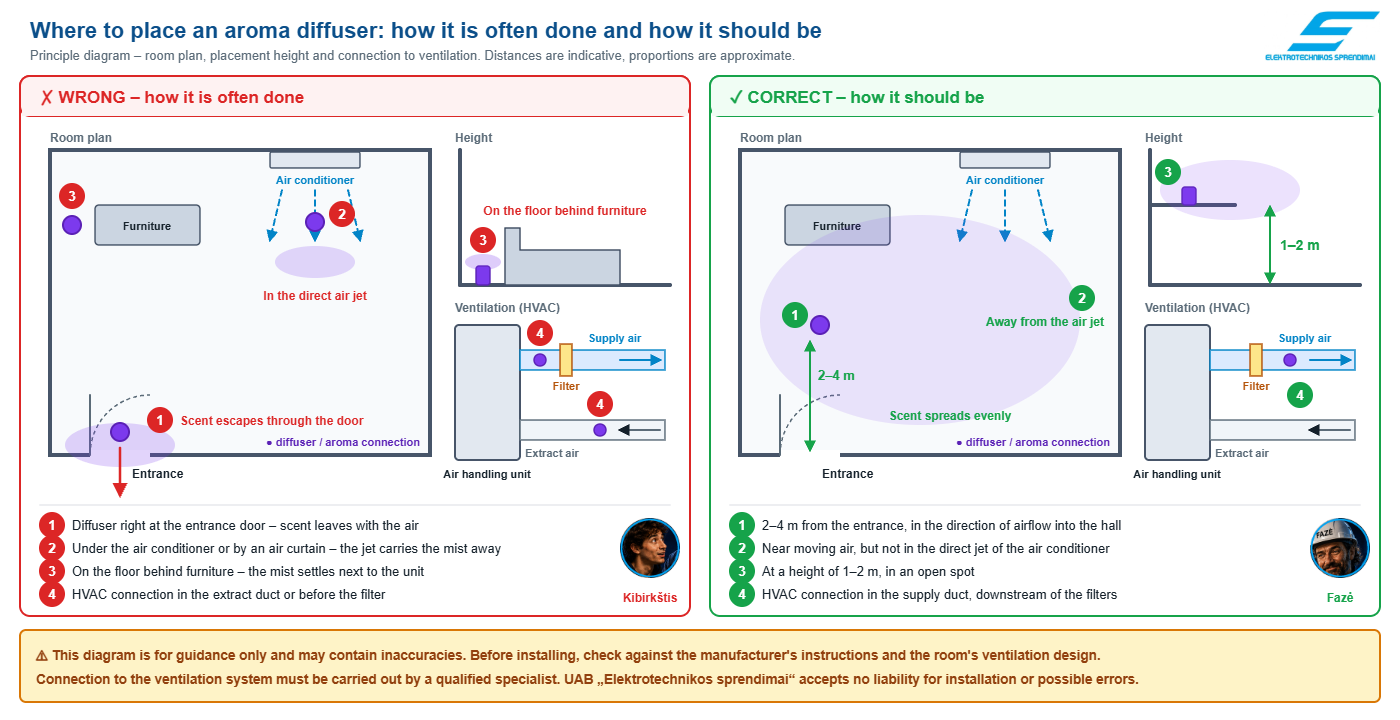 ☝ Click the diagram to open the enlarged version.⚠ This diagram is for guidance only and may contain inaccuracies. Before installing, check against the manufacturer's instructions and the room's ventilation design.
Connection to the ventilation system must be carried out by a qualified specialist. UAB „Elektrotechnikos sprendimai“ accepts no liability for installation or possible errors.✗ What we often see
- Diffuser by the entrance door
- Under an air conditioner or next to an air curtain
- On the floor behind furniture
- HVAC connection in the extract duct or upstream of the filter
✓ How it should be
- 2–4 m from the entrance, in the direction of airflow into the room
- Away from the direct air conditioner airflow
- At a height of 1–2 m, in an open spot
- HVAC connection in the supply air duct, downstream of the filters
Distances and heights are indicative practical recommendations, not a standard. Choose the final location based on the airflow in the room and the manufacturer's instructions.
Why – explained point by point
1. Position near the entrance. ✗ by the door → ✓ 2–4 m further into the room. Why: every time the door opens, some of the scented air escapes and cold outdoor air dilutes the rest. Placed further in, the diffuser releases the scent where the air stays.2. Air conditioner and air curtain. ✗ in the direct airflow → ✓ nearby, but out of the airflow. Why: a strong airflow carries the mist into one zone or towards the extract – too strong in one place, absent in another. Gentle ambient air movement spreads it evenly.3. Height. ✗ on the floor behind furniture → ✓ at a height of 1–2 m. Why: furniture and walls block the mist and it settles close to the unit. At breathing-zone height, the scent reaches people and travels freely through the room.4. HVAC connection. ✗ extract duct or upstream of the filter → ✓ supply air duct, downstream of the filters. Why: the extract duct removes air from the building, so the aroma never reaches the rooms. The filter traps some of the fine particles – connected upstream of it, the scent is weaker and the filter becomes saturated faster.Frequently asked questions
Questions from Kibirkštis – a young, curious electrician who dares to ask what others won't. Answers from Fazė – an experienced engineer.
KibirkštisWhy is a waterless diffuser better than a humidifier with a few drops of oil?
FazėA humidifier dilutes the oil with water – the scent is weak and the room gets more humid. A nebulizing diffuser disperses pure oil in ultra-fine particles, so the scent is stronger, more even and covers a much larger volume (how it works).
KibirkštisHow long does one reservoir last?
FazėIt depends on intensity, work/pause cycles and hours of operation per day. As a guide: at about 3 ml/h running 10 hours a day, 1000 ml lasts roughly a month. Shorten the work cycle or lengthen the pause in the app and you will use less oil (calculation).
KibirkštisCan I use perfume or any kind of oil?
FazėNo. Use only aroma oils designed for nebulizing diffusers. The alcohol in perfume, water or thick oil fractions clog the nozzle, and then the diffuser stops working.
KibirkštisBluetooth or Wi-Fi – what's the difference?
FazėBluetooth is controlled within close range – you set the schedule and intensity, and the diffuser then runs on its own. Wi-Fi lets you change settings remotely and manage several units at different sites from one app. For a chain or multiple branches, go with Wi-Fi.
KibirkštisIs it safe in a home with children and pets?
FazėYes, in moderation: low intensity, oils kept out of children's reach and a pet-friendly aroma. If any family member feels discomfort, reduce the intensity or change the aroma (allergies and sensitivity).
KibirkštisDoes the diffuser need maintenance?
FazėVery little. Top up the oil and, when changing aromas, clean the nozzle according to the manufacturer's instructions – so scents don't mix and the channels don't clog. There is no water tank to descale.
KibirkštisDo you help select diffusers for an entire project?
FazėYes. Send us the floor plan or the room areas and ceiling heights, and let us know whether there is a ventilation system – we will select the models, quantities and installation points. Contact us.Sources (checked 2026-10-08): technical data (coverage, consumption, noise level) – from the product descriptions in this group; fragrance allergen labelling – Regulation (EU) 2023/1545.
A scent that greets people before anyone else does
From portable diffusers to duct-mounted solutions for the whole building – all in one place. Send us your room areas and ceiling heights: we will select diffusers by volume, mounting type and control, and prepare a quote.
Get a quote 1 - 16 of 54Smart aroma diffuser | 10 W | 1000 ml | up to 2000 m³ | 12 V DC | Bluetooth | 230×168×335 mm | white | ES-F03Code: ES-F03Price 277.96 € VAT incl.( 229.72 € VAT excl. )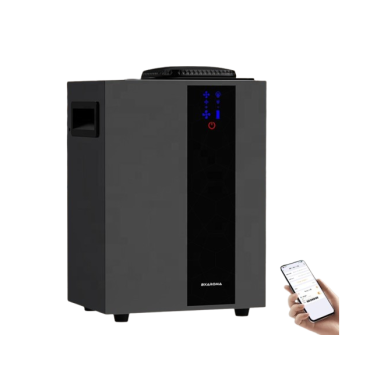
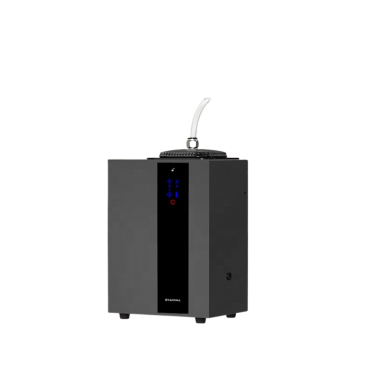
 Price 228.94 € VAT incl.( 189.21 € VAT excl. )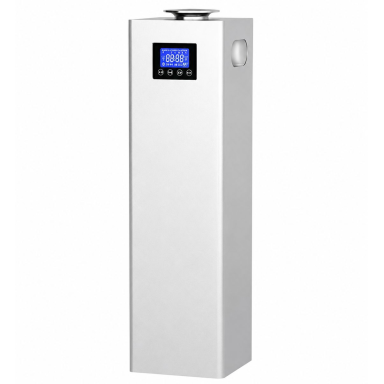
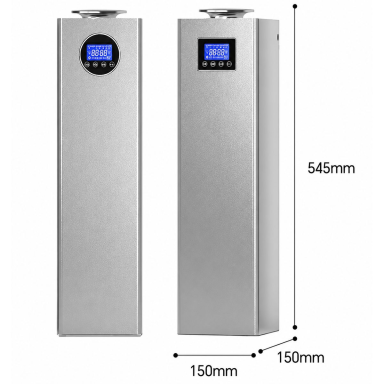 Waterless aroma diffuser | 24 W | 1000 ml | up to 2000 m³ | app and Bluetooth | freestanding | 150×150×545 mm | silver | ES-HC20001Code: ES-HC20001Price 220.63 € VAT incl.( 182.34 € VAT excl. )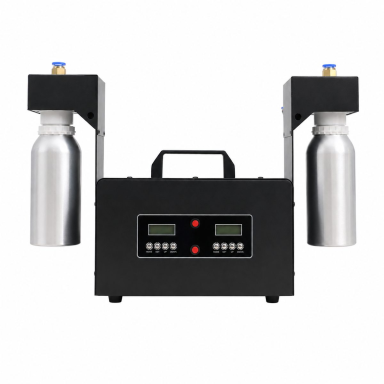
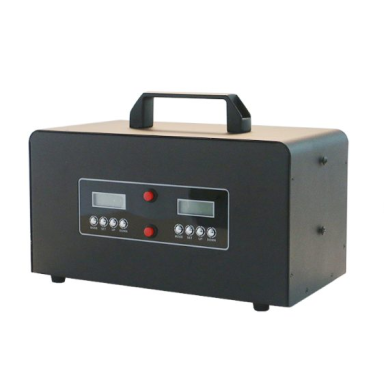 Waterless aroma diffuser | 14 W | 1000 ml | up to 6000 m³ | 12 V DC | app control | HVAC connection | freestanding | 495×180×330 mm | black | ES-MA-6000Code: ES-MA-6000Price 259.91 € VAT incl.( 214.80 € VAT excl. )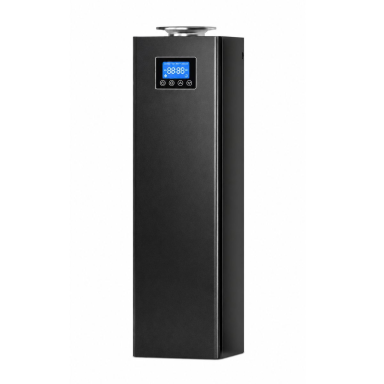
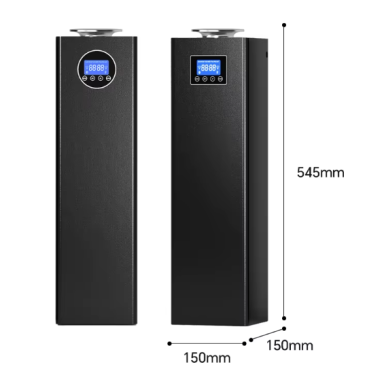 Waterless aroma diffuser | 24 W | 1000 ml | up to 2000 m³ | app and Bluetooth | freestanding | 150×150×545 mm | black | ES-HC2000Code: ES-HC2000Price 220.63 € VAT incl.( 182.34 € VAT excl. )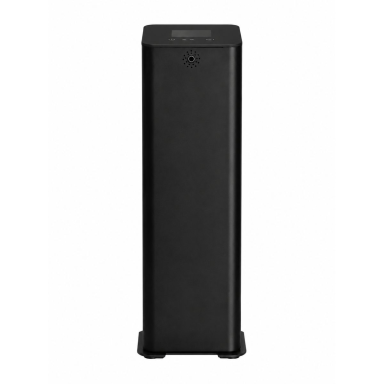
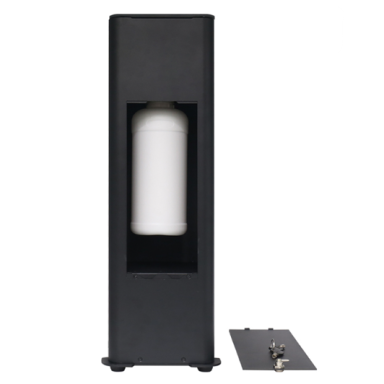 Waterless aroma diffuser | 24 W | 1000 ml | Wi-Fi app | freestanding | 160×160×540 mm | black | ES-GE-900Code: ES-GE-900Price 300.02 € VAT incl.( 247.95 € VAT excl. )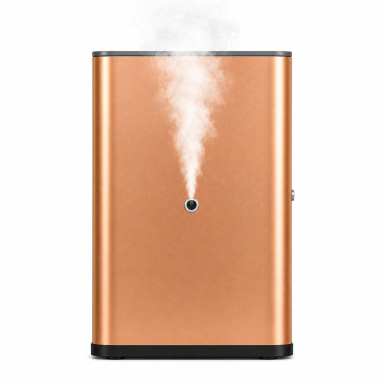
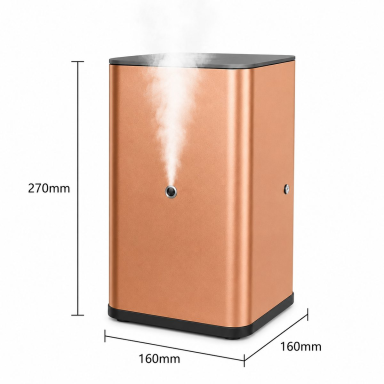 Waterless aroma diffuser | 12 W | 500 ml | app control | HVAC connection | freestanding | 160×160×270 mm | bronze | ES-GB-800GCode: ES-GB-800GPrice 277.55 € VAT incl.( 229.38 € VAT excl. )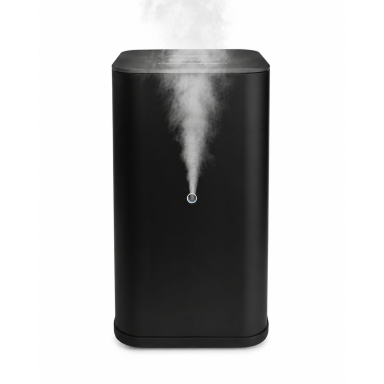
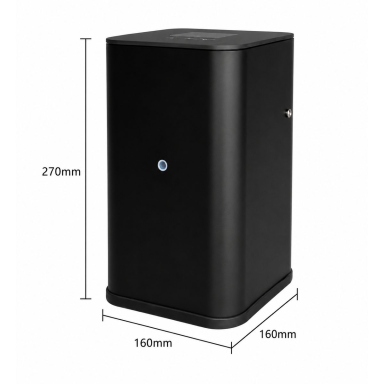 Waterless aroma diffuser | 12 W | 500 ml | app control | HVAC connection | freestanding | 160×160×270 mm | black | ES-GB-800BCode: ES-GB-800BPrice 277.55 € VAT incl.( 229.38 € VAT excl. )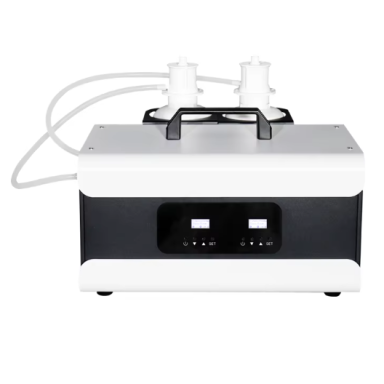
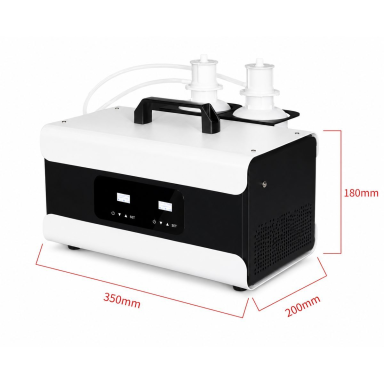 Waterless aroma diffuser | 24 W | 2×1000 ml | app control | HVAC connection | wall-mounted or freestanding | 395×200×230 mm | white | ES-LK-10000Code: ES-LK-10000Price 335.12 € VAT incl.( 276.96 € VAT excl. )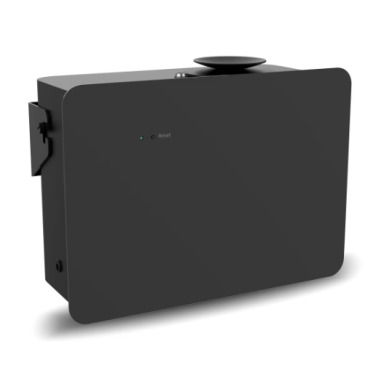
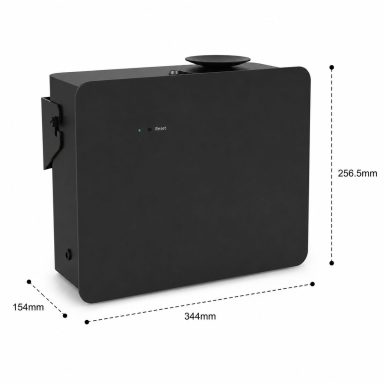 Waterless aroma diffuser | 8 W | 500 ml | up to 2000 m³ | 12 V DC | Wi-Fi and Bluetooth | wall-mounted or freestanding | 344×154×256.5 mm | black | ES-GL-D2000B1Code: ES-GL-D2000B1Price 140.59 € VAT incl.( 116.19 € VAT excl. )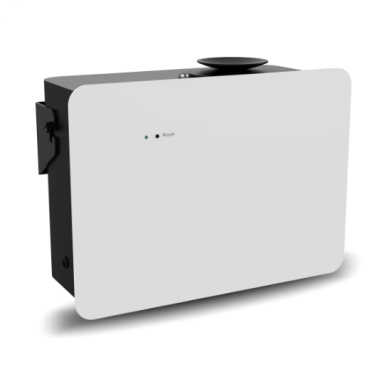
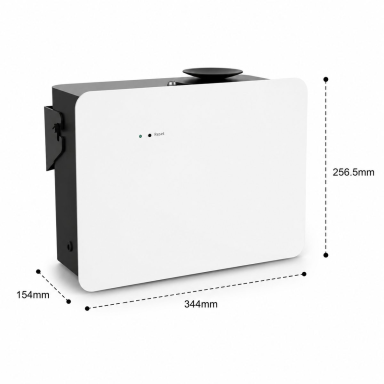 Waterless aroma diffuser | 8 W | 500 ml | up to 2000 m³ | 12 V DC | Wi-Fi and Bluetooth | wall-mounted or freestanding | 344×154×256.5 mm | white | ES-GL-D2000W1Code: ES-GL-D2000W1Price 140.59 € VAT incl.( 116.19 € VAT excl. )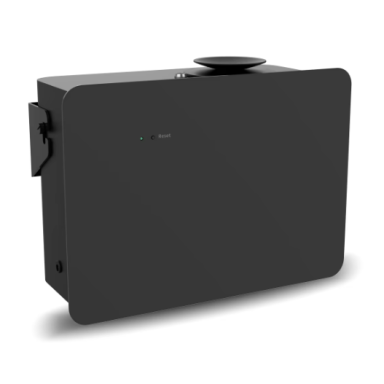
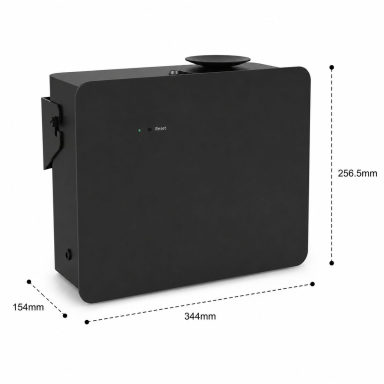 Waterless aroma diffuser | 8 W | 500 ml | up to 2000 m³ | 12 V DC | Bluetooth | wall-mounted or freestanding | 344×154×256.5 mm | black | ES-GL-D2000BCode: ES-GL-D2000BPrice 140.59 € VAT incl.( 116.19 € VAT excl. )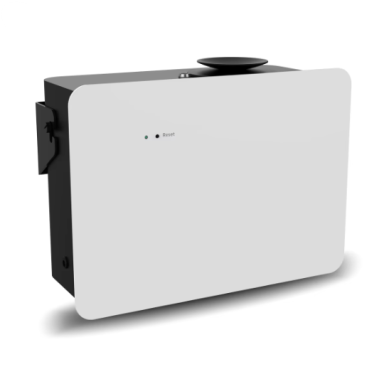
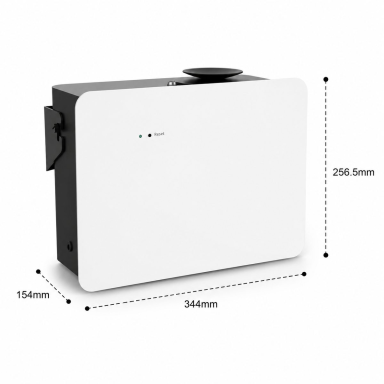 Waterless aroma diffuser | 8 W | 500 ml | up to 2000 m³ | 12 V DC | Bluetooth | wall-mounted or freestanding | 344×154×256.5 mm | white | ES-GL-D2000WCode: ES-GL-D2000WPrice 140.59 € VAT incl.( 116.19 € VAT excl. )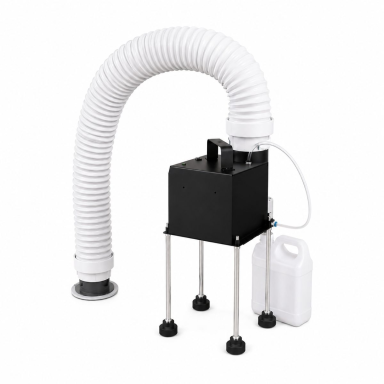
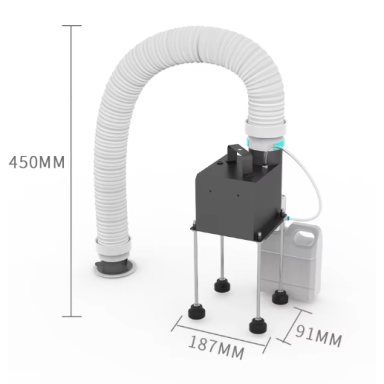 Price 231.38 € VAT incl.( 191.22 € VAT excl. )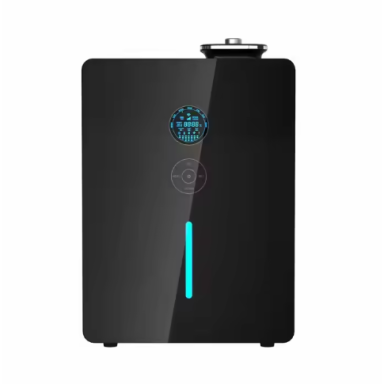
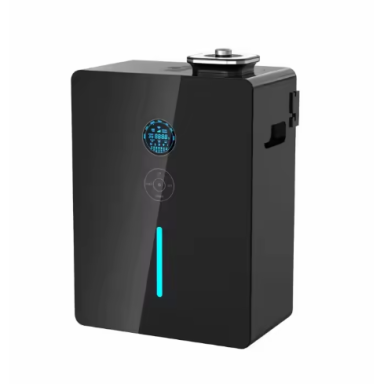 Commercial aroma diffuser | 28 W | 1200 ml | up to 5000 m³ | app control | HVAC connection | freestanding | 295×162×400 mm | black | ES-GAL-5000HFBCode: ES-GAL-5000HFBPrice 409.25 € VAT incl.( 338.22 € VAT excl. )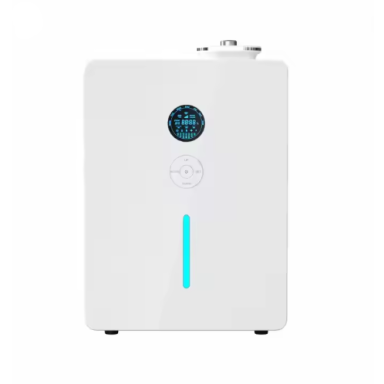
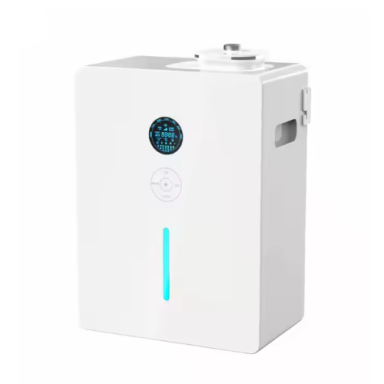 Commercial aroma diffuser | 28 W | 1200 ml | up to 5000 m³ | app control | HVAC connection | freestanding | 295×162×400 mm | white | ES-GAL-5000HFWCode: ES-GAL-5000HFWPrice 409.25 € VAT incl.( 338.22 € VAT excl. )


