


Hybrid three-phase solar inverters | efficient electricity management
-
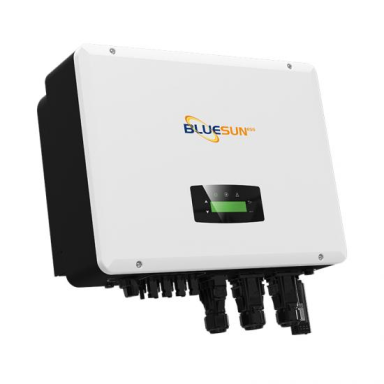
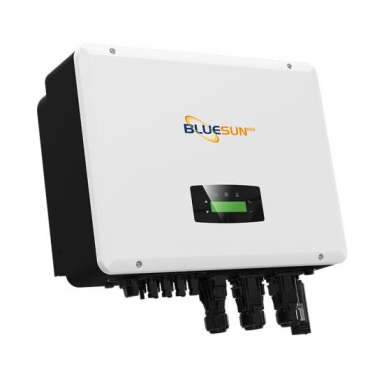
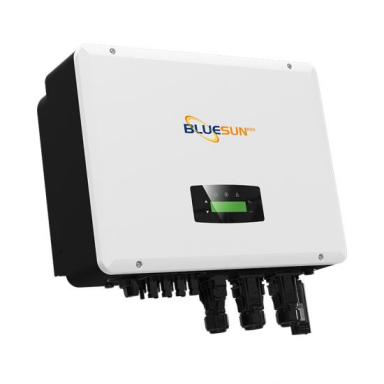
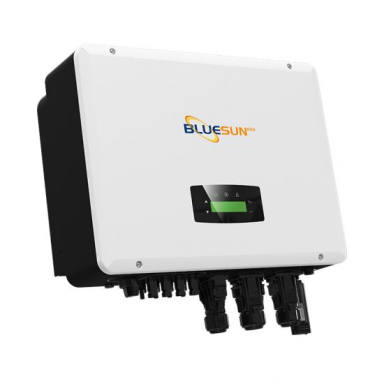
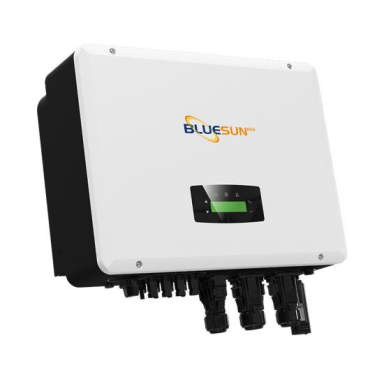
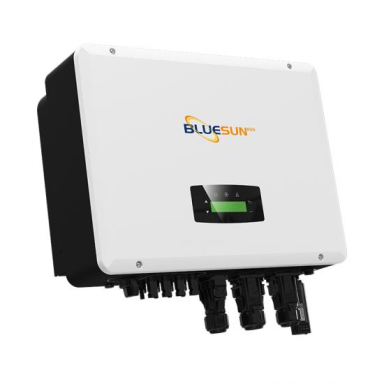
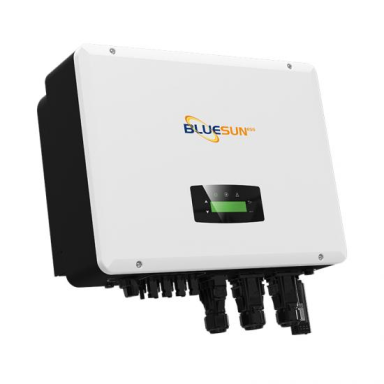
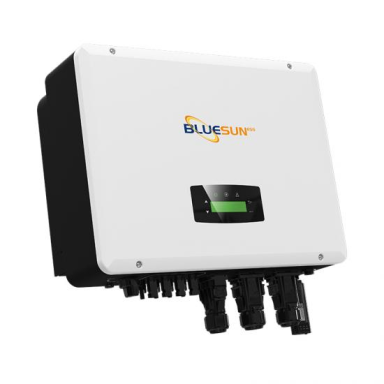
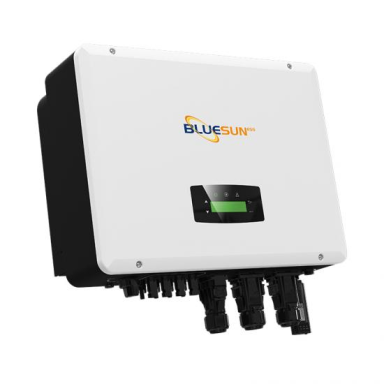
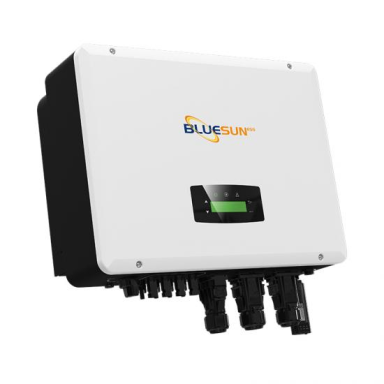
Hybrid Three-Phase Solar Inverters are advanced devices that integrate solar energy conversion, grid supply, and battery charging functions into a single intelligent system. These inverters are an integral part of modern solar power plants, operating with solar modules, the grid, and energy storage systems (batteries). They are an excellent solution for both residential homes and businesses aiming to maximize solar energy utilization, reduce dependence on the electrical grid, and ensure protection against power supply disruptions.
Key Features:
Three-Phase Operation: Ensures even energy distribution across all three phases—particularly relevant for commercial properties or larger residential spaces.
Hybrid Mode: Ability to operate with solar energy, grid electricity, and batteries—independently or together.
Battery Management: Charges and discharges connected energy storage units depending on electricity production and consumption.
EPS Function (Emergency Power Supply): Automatically switches power supply from the battery when grid power is interrupted.
MPPT Technology: Maximum Power Point Tracking algorithm ensures optimal solar energy extraction under any conditions.
Communication Capabilities: Remote monitoring via WiFi, LAN, or 4G (depending on the model).
Priority Management: Ability to select the order of energy usage—first from solar, then from the battery, and only then from the grid.
Efficiency: Most devices have an efficiency exceeding 97–98%.
Recommended Use:
Residential homes with higher electricity demands (e.g., heating, electric vehicles).
Commercial and industrial properties (offices, workshops, agricultural buildings).
Facilities requiring uninterrupted power supply (server rooms, refrigerators, pumps).
Buildings integrating energy storage solutions (Li-ion, LiFePO4 batteries, etc.).
Areas with unstable electrical grids or frequent power outages.
Advantages:
Grid Independence: Can operate even during power supply disruptions (if a battery is present).
Energy Storage: Allows the use of solar-generated energy even at night or on cloudy days.
High Efficiency: Modern electronics ensure minimal energy loss.
Flexibility: Can be used with or without batteries—adapts to different needs.
Smart Management: Mobile applications and cloud solutions enable real-time system monitoring and control.
Reduced Bills: Optimizes energy consumption, reducing costs.
Disadvantages:
Higher Cost: More expensive than simple on-grid inverters (without battery function).
Additional Configuration Required: With battery, EPS function, and according to electrical grid requirements.
More Complex Installation: Compared to single-phase or standard inverters, installation requires more experience.
Larger Size: Typically occupies more space due to additional controllers and cooling systems.
 1 - 12 of 12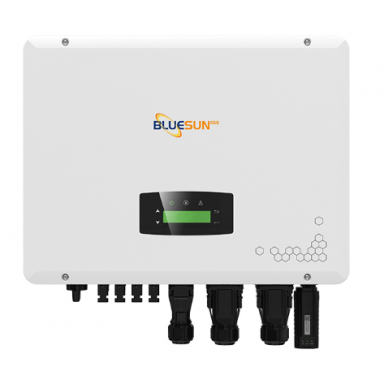
 Price 1319.63 € VAT incl.( 1090.60 € VAT excl. )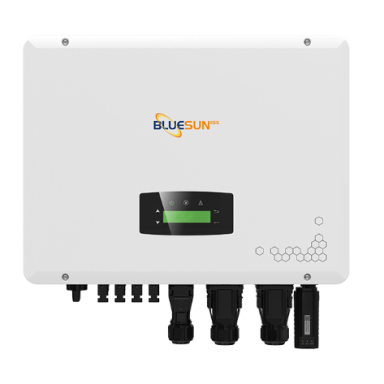
 Price 1162.21 € VAT incl.( 960.50 € VAT excl. )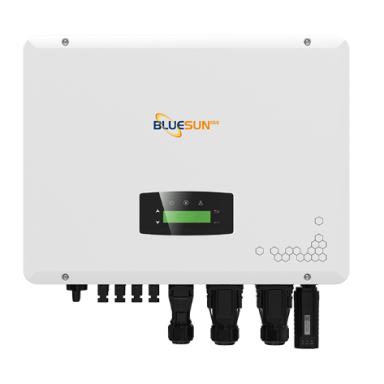
 Price 998.13 € VAT incl.( 824.90 € VAT excl. )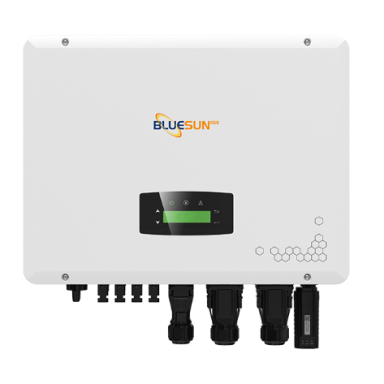
 Price 886.20 € VAT incl.( 732.40 € VAT excl. )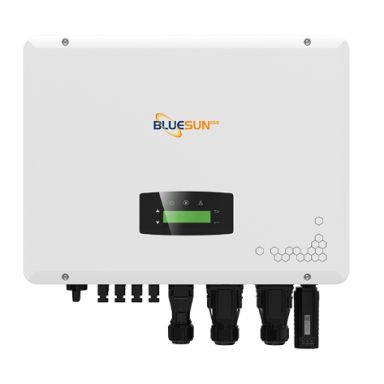
 Price 775.25 € VAT incl.( 640.70 € VAT excl. )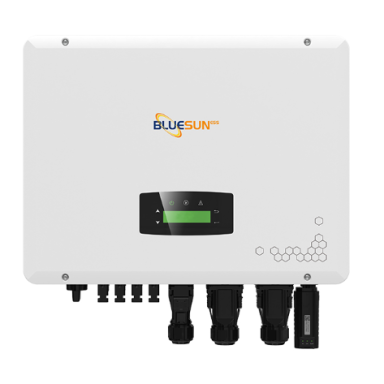
 Price 658.23 € VAT incl.( 543.99 € VAT excl. )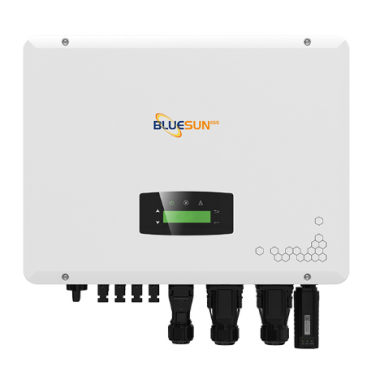
 Price 2491.75 € VAT incl.( 2059.30 € VAT excl. )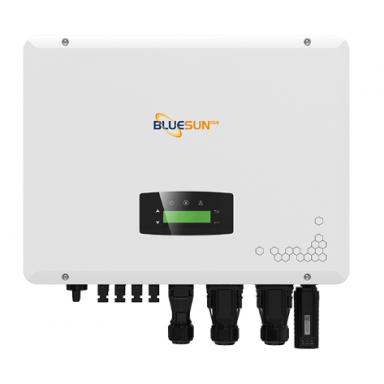
 Price 1847.31 € VAT incl.( 1526.70 € VAT excl. )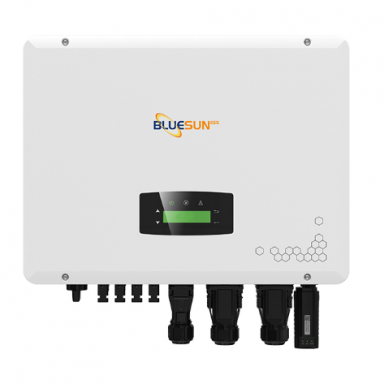
 Price 1618.13 € VAT incl.( 1337.30 € VAT excl. )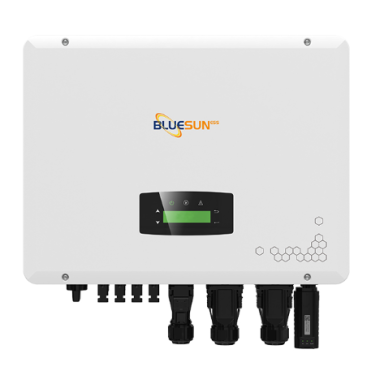
 Price 1439.66 € VAT incl.( 1189.80 € VAT excl. )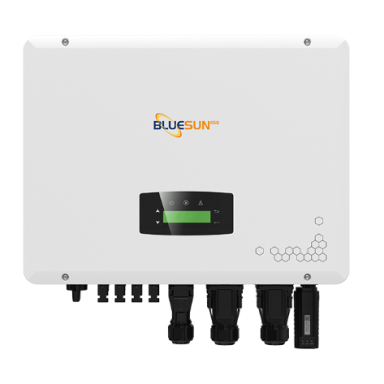
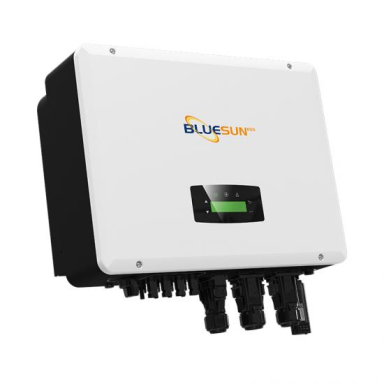 Price 2607.43 € VAT incl.( 2154.90 € VAT excl. )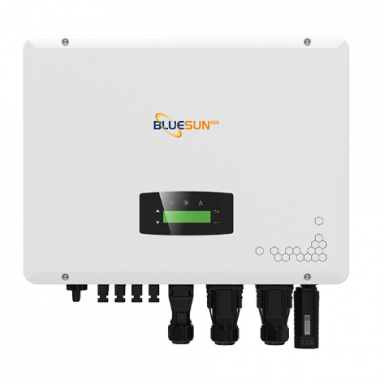
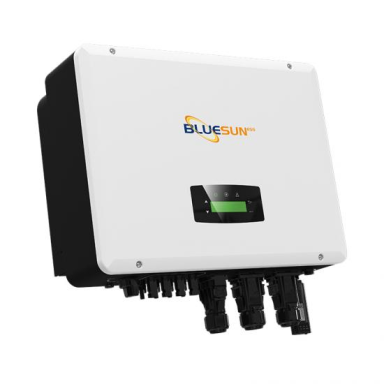 Price 2376.92 € VAT incl.( 1964.40 € VAT excl. )


