


Uninterruptible power supplies | backup power solutions
-
Uninterruptible power supplies – UPS, inverters and backup power solutions
Uninterruptible power supplies are devices designed to ensure stable electricity supply during grid power failure, voltage fluctuations, short power interruptions or for protecting sensitive equipment. UPS systems are used for boilers, circulation pumps, computers, servers, alarm systems, video surveillance, automation, communication equipment, gates, medical, laboratory and industrial equipment.
Main idea:
A UPS is selected when it is necessary to protect equipment from power outages, voltage surges, grid fluctuations and ensure backup power supply. When choosing, it is important to evaluate not only power, but also the number of phases, sine wave type, battery capacity, transfer time, load type, starting currents and desired operating time.Types
Offline, Line-interactive, OnlinePhases
Single-phase and three-phase UPSOutput
230V AC or 400V ACBatteries
AGM, GEL, LiFePO4, etc.What is an uninterruptible power supply?
An uninterruptible power supply, or UPS, is a device that uses grid electricity to power the load and charge the batteries. When the power supply fails, the UPS automatically switches to battery mode and supplies electricity to the connected equipment through the inverter.
A UPS helps prevent unexpected equipment shutdown, data loss, heating system stoppage, security system failure, automation errors or interruption of a production process.
Important to know:
A UPS is not the same as a generator. A UPS supplies energy from batteries, so it operates quietly, without fuel or exhaust gases, but its operating time is limited. A generator produces electricity by burning fuel and can operate longer as long as fuel is replenished.Single-phase and three-phase UPS
UPS type Where is it used? What is important to know? Single-phase 230V UPS Homes, boilers, pumps, computers, alarm systems, network equipment. The most common choice for household and small commercial use. Three-phase 400V UPS Industry, server rooms, production, building engineering systems, three-phase equipment. Phase loads, three-phase equipment power and the installation scheme must be properly evaluated. Important:
A three-phase UPS does not necessarily mean that its full power can be used on one phase. The load must be distributed according to the technical data of the specific UPS. Uneven phase loading may cause overloads, errors or reduced system stability.Technical data
Product type Uninterruptible power supply, UPS, inverter with batteries Purpose Backup, emergency and stabilised electricity supply Number of phases Single-phase 230V or three-phase 400V, depending on the model Power Specified in VA, W or kW. Real active power in W/kW must be evaluated. Output waveform Pure sine wave or modified sine wave Battery voltage 12V, 24V, 48V, 96V, 192V or another value according to the UPS model Battery type AGM, GEL, lead-acid, LiFePO4 or other compatible types Transfer time From 0 ms for Online UPS to several milliseconds in Offline / Line-interactive models Use For boilers, pumps, IT equipment, servers, security, automation and industrial equipment VA, W and kW – why is it important?
UPS power is often specified in VA, but the buyer also needs to know the actual active power in watts or kilowatts. For example, a 1000VA UPS does not necessarily mean 1000W power. The actual power depends on the power factor.
Common mistake:
Choosing a UPS only by the VA value. Always check how many watts or kilowatts the UPS can actually supply to the connected load.UPS types by operating principle
Type Description Where suitable? Offline UPS A simple backup power solution that switches when the electrical grid fails. Computers, modems, small electronics. Line-interactive UPS Has a voltage stabilisation function and adapts better to grid fluctuations. Homes, offices, boilers, security systems, network equipment. Online UPS Continuously forms the output voltage through the inverter, therefore ensuring the highest level of protection. Server rooms, medical, laboratory, industrial and highly sensitive equipment. Pure sine wave or modified sine wave?
Type Where is it used? Note Pure sine wave Boilers, pumps, motors, electronics, automation, servers. Recommended choice for more sensitive and inductive equipment. Modified sine wave Simpler loads when the equipment is not sensitive to power quality. May not be suitable for boilers, pumps, motors and sensitive electronics. Important:
For boilers, circulation pumps, gate automation, motors and sensitive electronics, it is usually recommended to choose a UPS with a pure sine wave.How to choose the right UPS?
- Evaluate the load power – calculate the W/kW power of all connected devices.
- Check starting currents – pumps, motors and compressors may briefly require several times more power.
- Choose the number of phases – 230V for single-phase loads or 400V for three-phase systems.
- Evaluate runtime – how many minutes or hours the equipment must operate during a power outage.
- Choose battery type and capacity – backup operating time depends on them.
- Check the sine wave type – choose a pure sine wave for sensitive equipment.
- Evaluate the installation location – ventilation, temperature, humidity and service access.
- Leave a power reserve – at least 20–30% reserve is recommended.
Recommended UPS power table
Use Recommended UPS power Router, modem, small electronics 300-600VA Computer, monitor, network equipment 600-1500VA Gas boiler, circulation pump 800-2000VA or according to actual load Security system, video surveillance 600-2000VA Server room, automation cabinet, important equipment 1500VA and above Three-phase equipment, industry, production Three-phase UPS according to kW/kVA load and phase balance Recommendation:
A UPS should not be selected to operate at its maximum limit. It is best to leave at least a 20-30% power reserve, and for motor loads the reserve may need to be even higher.Batteries and operating time
UPS operating time depends on battery capacity, battery voltage, load power, UPS efficiency, battery age and ambient temperature. The higher the load, the shorter the system will operate from batteries.
Battery type Features AGM A common choice for UPS systems, maintenance-free, suitable for backup operation. GEL Resistant to deeper discharge, often used for longer backup operation. LiFePO4 Longer service life, lower weight, higher number of cycles, but compatibility with the UPS must be checked. Note:
Not every battery can be connected to every UPS. Battery voltage, capacity, charging current, battery type and manufacturer recommendations must be checked.UPS for boilers, pumps and heating systems
For heating systems, a UPS is especially important because during a power outage circulation pumps, boiler control electronics, fans or fuel feeding mechanisms may stop. This may cause heating system malfunctions or dangerous situations in solid fuel systems.
For boilers and pumps, it is recommended to:- Choose a pure sine wave UPS.
- Evaluate pump and fan starting currents.
- Use batteries of suitable capacity.
- Leave a power reserve.
- Check whether the UPS is suitable for long-term operation with external batteries.
Most common purchasing mistakes
- Choosing only by VA without evaluating the actual W/kW power.
- Not evaluating starting currents of pumps, motors or compressors.
- Choosing a modified sine wave UPS for a boiler or pump.
- Too small battery capacity for the desired operating time.
- Not evaluating phase load distribution for a three-phase UPS.
- Installing the UPS in a poorly ventilated or too hot location.
- Using incompatible batteries.
- Not evaluating whether the UPS is suitable for long-term operation from external batteries.
Advantages
- ✅ Ensures backup power during a power outage.
- ✅ Protects equipment from sudden shutdown.
- ✅ Suitable for boilers, pumps, computers, servers and security systems.
- ✅ Can stabilise voltage, depending on the model.
- ✅ Works automatically.
- ✅ Does not produce exhaust gases like a generator.
- ✅ Quiet operation.
- ✅ Single-phase and three-phase solutions are available.
- ✅ Can be adapted according to desired operating time.
- ✅ Suitable for sensitive electronics if the correct model is selected.
Disadvantages
- ❌ Limited operating time from batteries.
- ❌ Batteries wear out and need replacement.
- ❌ Higher loads require higher UPS power and larger-capacity batteries.
- ❌ Incorrectly selected UPS may not work with pumps or boilers.
- ❌ Pure sine wave and Online type models cost more.
- ❌ Starting currents must be properly evaluated.
- ❌ Three-phase UPS units require correct phase distribution.
- ❌ Battery operating time depends on temperature, condition and load.
Frequently asked questions (FAQ)
Are UPS units available in three-phase versions?
Yes. UPS units can be single-phase 230V or three-phase 400V. Three-phase UPS units are used in industry, server rooms, production and wherever three-phase equipment must be powered.Is a UPS suitable for a gas boiler?
Yes, but it is recommended to choose a pure sine wave UPS and check the boiler manufacturer’s requirements.Can a UPS power a circulation pump?
Yes, but the pump’s operating power and starting current must be evaluated. A pure sine wave is usually recommended for pumps.How long will a UPS operate during a power outage?
Operating time depends on battery capacity, load, battery condition and UPS efficiency. The higher the load, the shorter the operating time.What do VA and W mean?
VA indicates apparent power, while W indicates real active power. When choosing a UPS, it is important to check how many watts or kilowatts it can supply to the connected load.Can any battery be connected to a UPS?
No. Batteries must match the UPS voltage system, capacity, charging parameters and manufacturer recommendations.How does a UPS differ from a generator?
A UPS supplies energy from batteries and operates quietly, without fuel or exhaust gases. A generator produces electricity by burning fuel and can operate longer as long as fuel is replenished.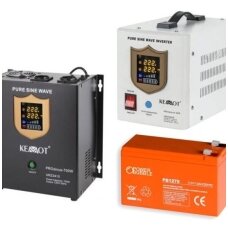 1 - 8 of 8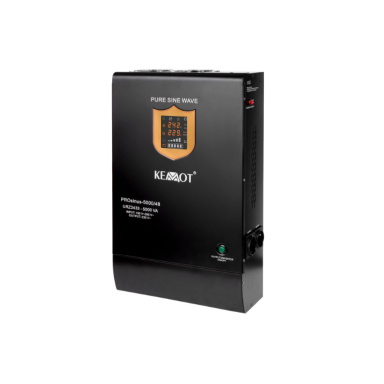
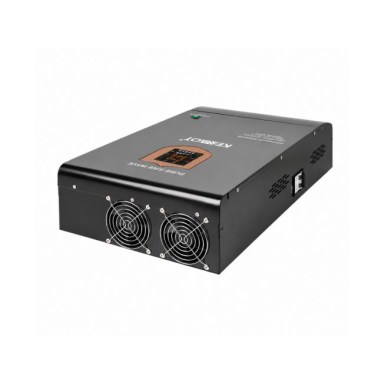
 Price 395.90 € VAT incl.( 327.19 € VAT excl. )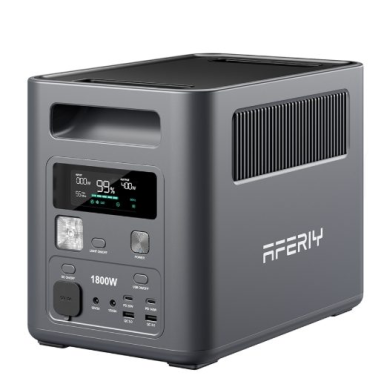
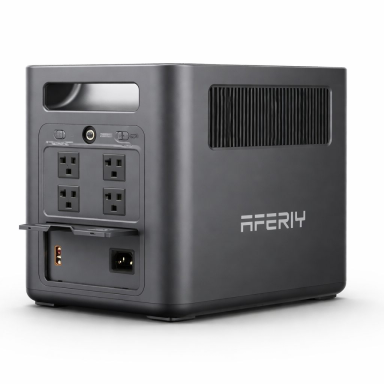 Portable backup power supply | 1800W | 1024Wh | LiFePO4 | pure sine wave | APP control | solar chargingCode: ES-AF-P180Price 1087.80 € VAT incl.( 899.01 € VAT excl. )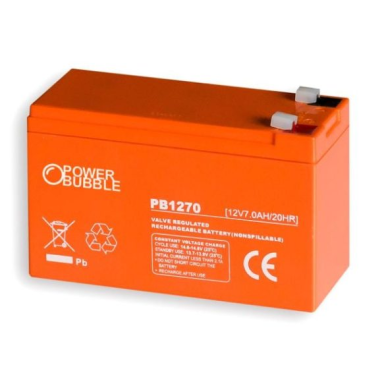
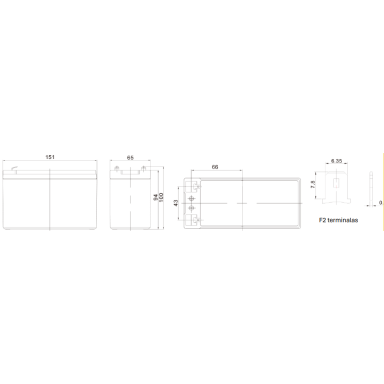 Price 11.13 € VAT incl.( 9.20 € VAT excl. )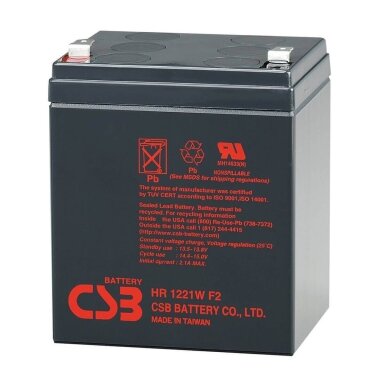
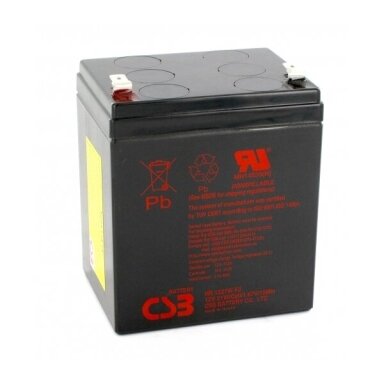 AGM Battery | 5Ah | 12V | 90x70x106mm | CSBCode: HR-1221WPrice 27.97 € VAT incl.( 23.12 € VAT excl. )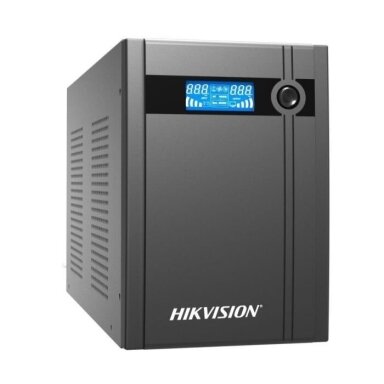
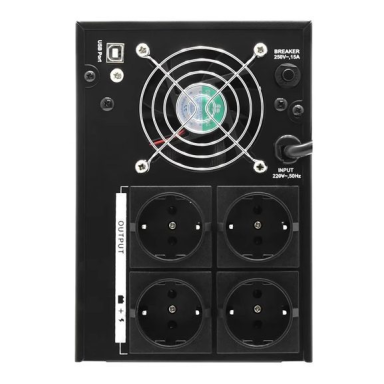 Price 355.34 € VAT incl.( 293.67 € VAT excl. )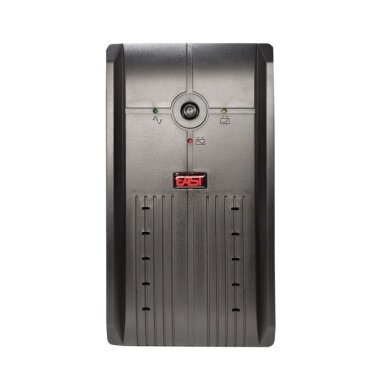
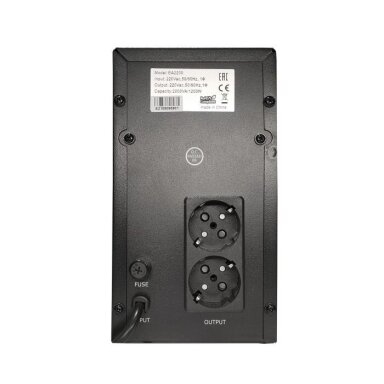 Price 194.17 € VAT incl.( 160.47 € VAT excl. )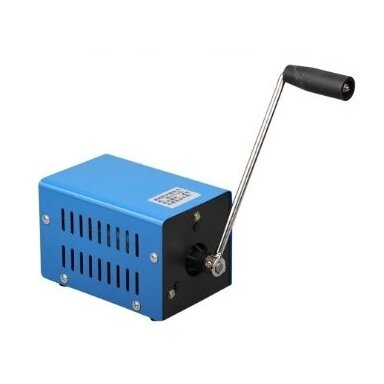
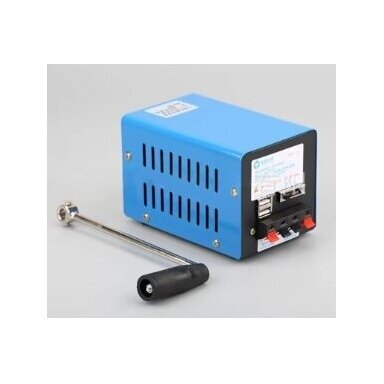 Portable Hand-Crank Generator for Outdoor with USB Ports | Emergency Use | 20W | 2000RPM | 5V | BlueCode: ES-2020005Price 56.50 € VAT incl.( 46.70 € VAT excl. )
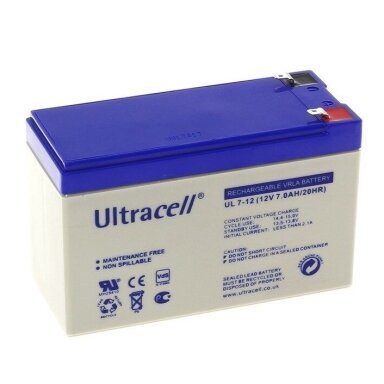 Price 13.30 € VAT incl.( 10.99 € VAT excl. )


