


Decorative & Acoustic Wall and Ceiling Panels | Slat Panels | Interior Finishes
-
Decorative and acoustic wall panels – wood slats, PET, MDF, PVC, HPL and natural veneer
Decorative wall and acoustic panels – a practical solution for finishing walls, ceilings, TV areas, hallways, offices, bedrooms, living rooms, restaurants, hotels, studios and other indoor spaces. This product group may include acoustic wood-slat panels, MDF-based panels with PET polyester fibre, natural wood veneer, melamine paper, HPL finish and quick-install decorative PVC wall panels.
Main idea:
These wall panels make it possible to refresh the interior, create a wood-texture accent, visually divide the space, conceal minor wall irregularities and, when an acoustic construction is selected, reduce sound reflections in the room. Specific properties depend on the panel construction, materials, thickness and installation method.Base material
MDF, PET fibre or PVCFinish
Veneer, melamine, HPL or decorative filmApplication
For walls, ceilings, TV areas and interior zonesInstallation
Using adhesive, screws or a supporting frameWhat are decorative and acoustic wall panels?
Decorative wall panels are ready-made interior finishing elements installed on walls, partitions, niches or ceilings. They may imitate natural wood and feature vertical slats, squares, hexagons, grille patterns or other three-dimensional forms.
Acoustic slat panels are usually made from decorative MDF slats fixed to a sound-absorbing PET polyester-fibre backing. The spaces between the slats and the softer textile backing help reduce sound reflections from hard surfaces, which may reduce echo and improve speech clarity in the room.
Decorative PVC panels are more commonly selected as an easy-to-maintain and quick-to-install wall-finishing solution. They may be used as a TV backdrop, on hallway walls, in decorative niches or other interior zones, but not every PVC panel has acoustic properties.
Important distinction:
Not every decorative panel is acoustic. Acoustic performance is generally provided by a PET-fibre backing, spaces between the slats, an additional air cavity or absorbing material behind the panel. Smooth PVC, melamine or HPL panels are primarily intended for decorative finishing.Main panel types
Panel type Construction Most common application Acoustic wood-slat panel MDF slats and PET polyester-fibre backing Living rooms, offices, bedrooms, studios, hotels and commercial spaces Natural wood veneer panel MDF base with a natural wood veneer surface For higher-end interiors where the natural wood grain is important Melamine- or HPL-finished panel MDF or another board with a decorative melamine or laminate surface For homes, offices, shops, hotels and other more intensively used spaces PVC slat or “Great Wall” panel Lightweight PVC construction with a wood-effect or other decorative surface For TV walls, hallways, niches and decorative interior zones Modular square or hexagonal panels Individual geometric modules with a wood-effect or natural finish For decorative patterns, feature walls and creative designs Panel construction and materials
- MDF base – gives the slat its shape, rigidity and stability.
- PET polyester fibre – a softer acoustic backing that helps absorb part of the sound energy.
- Natural wood veneer – a thin layer of real wood that retains its natural grain and texture.
- Melamine paper – a decorative coating that imitates wood or other surfaces.
- HPL laminate – a more durable decorative coating suitable for more intensively used spaces, depending on the properties of the specific product.
- PVC construction – a lightweight, decorative and generally easy-to-maintain wall-finishing solution.
- Black or coloured backing – highlights the gaps between the slats and creates a sense of depth.
Available colours and wood decors
Panels may be available in various wood shades and textures, including light oak, white oak, ash, walnut, smoked oak, grey oak, black oak, dark walnut and other natural wood effects.
Light oak
For bright Scandinavian-style interiorsAsh
For a natural and neutral environmentGrey oak
For modern, understated designWalnut
For warm and more luxurious interiorsBlack oak
For contrast and industrial-style interiorsColour note:
The grain, shade and figuring of natural wood veneer may vary slightly between panels. The colour shown on screen may also differ due to lighting, photography and display settings.Where are wall panels used?
- In living rooms – for a TV wall, relaxation area or feature wall.
- In bedrooms – for the wall behind the headboard or to create a cosier atmosphere.
- In hallways – for the entrance area and a vertical interior accent.
- In offices – for work areas, meeting rooms, receptions and corridors.
- In hotels – for rooms, lobbies, reception areas and relaxation zones.
- In restaurants and cafés – for decorative finishing and, when acoustic panels are used, for reducing sound reflections.
- In entertainment rooms – in gaming rooms, home cinemas or music-listening areas.
- In studios – as an additional interior and sound-reflection control element.
- In shops and showrooms – for product displays, counters or customer-service areas.
- On ceilings and in niches – when the specific panel type and fixing method are suitable for this purpose.
How does an acoustic slat panel work?
In rooms with hard surfaces, sound reflects from walls, ceilings, floors, glass and furniture surfaces. This may cause echo, reduced speech intelligibility and an overall noisy acoustic environment.
An acoustic slat panel works according to several principles:
- PET-fibre backing absorbs part of the sound energy reaching it.
- Spaces between the slats scatter and partially redirect sound waves.
- Uneven surface reduces direct reflections from a smooth wall.
- Air gap or additional acoustic material behind the panel may increase overall sound absorption.
Important:
An acoustic panel primarily reduces sound reflections and echo within the room. It is not equivalent to full sound insulation between two rooms. Reducing sound transmission through a wall requires a complete construction incorporating mass, decoupling, sealing and insulating layers.Acoustic panel or decorative PVC panel?
Feature MDF and PET acoustic panel Decorative PVC panel Primary purpose Decoration and reduction of sound reflections Quick decorative wall finishing Acoustic effect Possible due to the PET backing and slat construction Usually limited if no acoustic layer is present Weight Usually heavier due to the MDF slats Usually a lighter construction Surface Veneer, melamine or HPL PVC decor or wood effect Installation Using adhesive, screws or a supporting frame Usually using adhesive or mechanical fixing How to choose the right wall panel?
- Purpose – assess whether decoration alone is important or whether an acoustic effect is also required.
- Panel material – MDF and PET, PVC, HPL, melamine or natural veneer.
- Application area – living room, bedroom, office, restaurant, hallway or another room.
- Room humidity – check whether the selected panel is suitable for the specific environment.
- Colour and wood grain – coordinate with floors, doors, furniture and the overall interior.
- Slat direction – vertical slats can make a room appear taller, while horizontal slats may make it appear wider.
- Panel dimensions – calculate the wall area and the required number of panels.
- Cutting options – assess how corners, electrical sockets, switches and edges will be finished.
- Installation method – adhesive, screws, a supporting frame or the system specified by the manufacturer.
- Technical properties – before purchasing, check the specific model’s fire, moisture, durability and acoustic data.
How to calculate the required number of panels?
First calculate the area of the wall to be covered by multiplying its width by its height. Then divide the wall area by the area of one panel.
Calculation principle:
Wall area = wall width × wall height
Number of panels = wall area / area of one panelRecommendation:
It is advisable to add approximately 5–10% extra for cutting, corners, pattern matching and possible installation losses. Complex walls or geometric patterns may require a larger allowance.Installation methods
Installation method When is it used? Adhesive installation On an even, dry, clean and stable surface, using adhesive suitable for both the panel and the substrate Screw fixing When more reliable mechanical fixing is required or the panel is heavier Installation on a supporting frame When the wall needs to be levelled, an air gap is required or additional acoustic material is to be installed Combined fixing Using adhesive and mechanical fasteners when required by the panel weight or substrate condition Installation procedure
- Measure the wall and prepare a panel layout plan.
- Check that the surface is dry, stable, clean and sufficiently even.
- Mark a vertical or horizontal starting line.
- Cut the panel as required using a suitable tool.
- Cut openings for electrical sockets, switches or other installations.
- Fix the panel using adhesive, screws or to the supporting frame.
- Check the panel alignment, spacing and pattern continuity.
- Finish corners, edges and joints using decorative profiles or other finishing elements.
Installation safety:- Before drilling, check that there are no electrical cables, pipes or other services in the wall.
- When installing around electrical sockets or switches, disconnect the relevant circuit.
- For ceilings and heavier panels, use secure mechanical fixing.
- Use adhesives and fasteners suitable for the specific panel and wall substrate.
Cutting and adapting the panels
The cutting method depends on the panel material. MDF slats usually require a saw suitable for wood, while the PET backing can be separated with a sharp knife in accordance with the manufacturer’s recommendations. Use cutting tools suitable for plastic when working with PVC panels.
Practical tip:
Before cutting a visible panel, make a test cut on an offcut. Cut natural veneer or decorative surfaces in a way that reduces the risk of splintering and edge damage.Care and cleaning
- Remove dust with a soft dry or slightly damp cloth.
- The gaps between the slats can be cleaned with a soft brush or a vacuum cleaner at low power.
- Do not use abrasive sponges that may scratch the surface.
- Avoid aggressive solvents and chemical cleaners unless approved by the manufacturer.
- Do not leave natural veneer surfaces wet for extended periods.
- Test any new cleaning product in an inconspicuous area before use.
Common selection and installation mistakes
- A decorative PVC panel is assumed to be a fully functional acoustic panel.
- The panel is selected without considering room humidity and temperature.
- No additional material allowance is calculated for cutting.
- Panels are installed on a dusty, damp or unstable surface.
- Adhesive unsuitable for the panel material is used.
- A heavy panel is fixed to the ceiling using adhesive only, without mechanical protection.
- The positions of electrical installations in the wall are not considered.
- Natural veneer colour and grain variations are not taken into account.
- Panels are cut without preparing an overall pattern and joint plan.
- Sound-insulation performance is expected from an acoustic panel even though it is not designed for this purpose.
Advantages
- ✅ Modern and distinctive interior design.
- ✅ Wide choice of wood shades, shapes and surfaces.
- ✅ The entire wall or only a selected section can be covered.
- ✅ Suitable for TV, hallway, bedroom and office areas.
- ✅ The slat construction adds depth and vertical emphasis to the wall.
- ✅ Acoustic MDF and PET panels can reduce sound reflections.
- ✅ PVC panels are lightweight and quick to install.
- ✅ Different colours, shapes and installation directions can be combined.
- ✅ Panels can help conceal minor wall-surface imperfections.
- ✅ Suitable for residential, commercial and representative interiors.
Disadvantages and limitations
- ❌ Not every panel has acoustic properties.
- ❌ MDF-based panels are generally heavier than PVC panels.
- ❌ The shade and grain of natural veneer may vary.
- ❌ Cut-outs for electrical sockets and switches must be planned precisely.
- ❌ Incorrectly selected adhesive may provide insufficient hold or damage the surface.
- ❌ Only models explicitly designed for damp rooms are suitable for such environments.
- ❌ An acoustic panel does not replace full wall sound insulation.
- ❌ More complex patterns and corners require additional cutting and installation time.
Frequently asked questions (FAQ)
Are all slat panels acoustic?
No. Acoustic panels usually have a PET polyester-fibre backing or another sound-absorbing layer. Decorative PVC panels or smooth MDF panels are primarily intended for interior finishing.Do acoustic panels insulate sound from an adjacent room?
They primarily reduce echo and sound reflections within the same room. Full sound insulation between rooms requires a specially designed multi-layer wall construction.Can the panels be installed on an uneven wall?
Panels can conceal minor irregularities, but for a significantly uneven wall it is recommended to install a supporting frame or level the surface before installation.Can the panels be cut?
Yes. The cutting method and tool depend on the material: MDF, PET, PVC, HPL or natural veneer. Always follow the installation instructions provided by the specific manufacturer.Can the panels be installed around a television?
Yes. They are often used as a TV feature wall. The positions of the mounting bracket, electrical sockets, signal cables and ventilation must be planned in advance.Can electrical cables be concealed behind the panels?
This may only be done with a safely designed installation using suitable cables, conduits, boxes and accessible connections. Electrical joints must not be concealed uncontrollably behind the finish.Are MDF and PET panels suitable for a bathroom?
Only if the specific manufacturer clearly states that they are suitable for damp rooms. Standard MDF panels are generally not intended for continuously high humidity or direct exposure to water.What is the difference between natural veneer and a melamine finish?
Natural veneer is a layer of real wood, so the grain of each panel may be unique. Melamine is a decorative wood-effect coating whose pattern and colour are usually more uniform.How should the right colour be selected?
Light oak and ash suit bright Scandinavian-style interiors. Walnut adds warmth, grey oak creates a modern appearance, while black or dark oak helps create a strong contrast.How many panels are required for a wall?
The required quantity is calculated using the area of the wall and the area of one panel. It is also recommended to add approximately 5–10% extra for cutting, corners and pattern matching.Decorative and acoustic wall panels help quickly change the character of a room, create the appearance of natural wood and highlight a selected interior area. When choosing, it is important to distinguish acoustic MDF and PET panels from decorative PVC panels and to assess the room conditions, installation method, panel weight, surface material and technical properties of the specific product.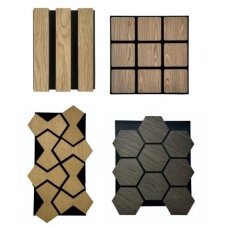 1 - 16 of 69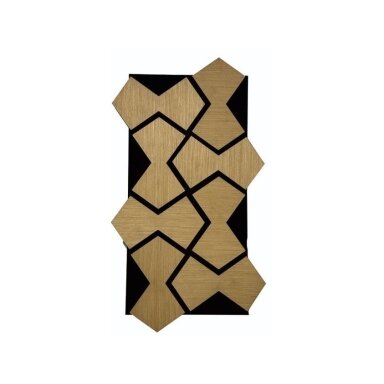
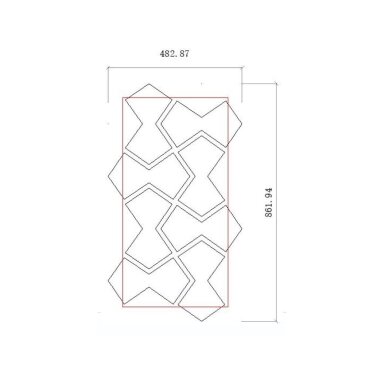
 Decorative acoustic wall | ceiling panel | interior cladding | hourglass-shaped elements | 861.94x482.87x18mm | MDF + PET | light yellow oak imitationCode: ES-TWVSC-YO-08Price 46.95 € VAT incl.( 38.80 € VAT excl. )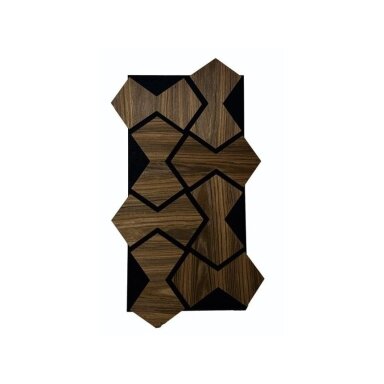
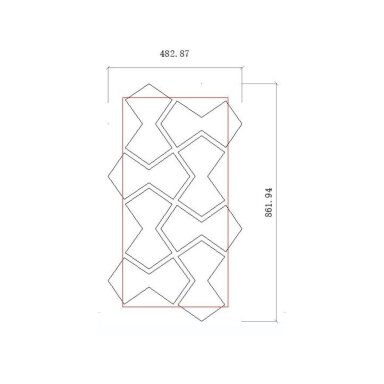 Decorative acoustic wall | ceiling panel | interior cladding | hourglass-shaped elements | 861.94x482.87x18mm | MDF + PET | Smoked Oak FinishCode: ES-TWVSC-SO-07Price 46.95 € VAT incl.( 38.80 € VAT excl. )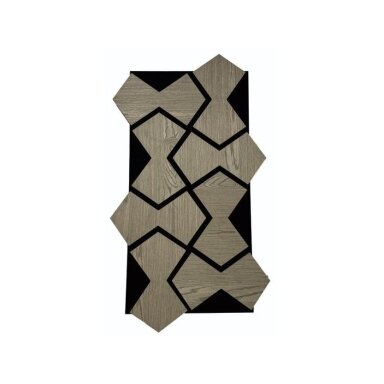
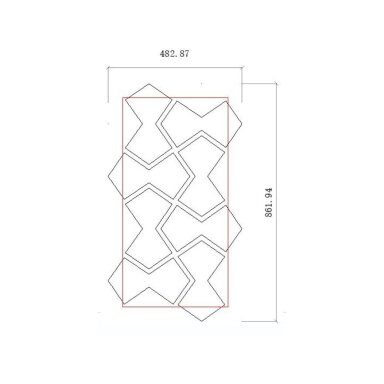 Decorative acoustic wall | ceiling panel | interior cladding | hourglass-shaped elements | 861.94x482.87x18mm | MDF + PET | Grey Oak FinishCode: ES-TWVSC-GO-06Price 46.95 € VAT incl.( 38.80 € VAT excl. )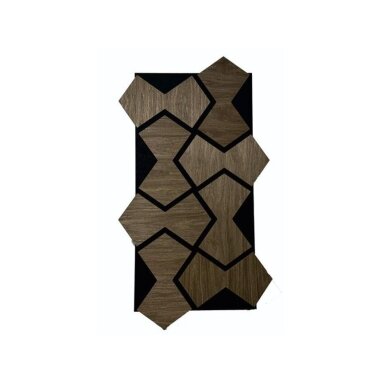
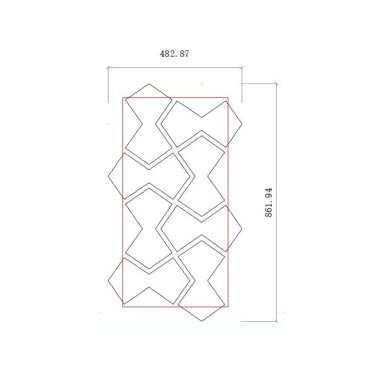 Decorative acoustic wall | ceiling panel | interior cladding | hourglass-shaped elements | 861.94x482.87x18mm | MDF + PET | walnut finishCode: ES-TWVSC-WN-05Price 46.95 € VAT incl.( 38.80 € VAT excl. )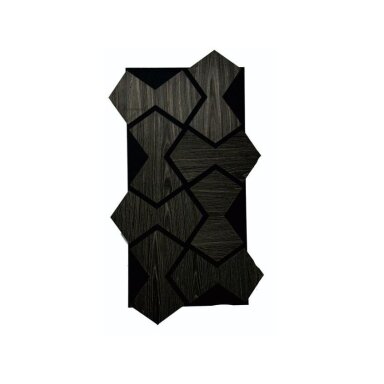
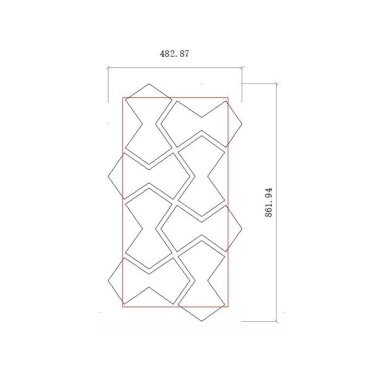 Decorative acoustic wall | ceiling panel | interior cladding | hourglass-shaped elements | 861.94x482.87x18mm | MDF + PET | Black Oak FinishCode: ES-TWVSC-BO-04Price 46.95 € VAT incl.( 38.80 € VAT excl. )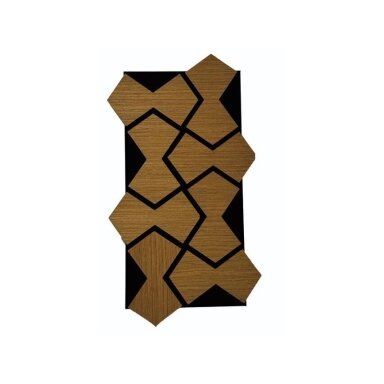
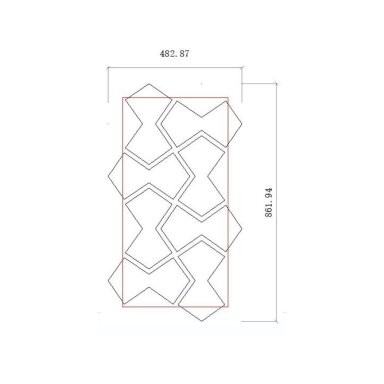 Decorative acoustic wall | ceiling panel | interior cladding | hourglass-shaped elements | 861.94x482.87x18mm | MDF + PET | teak wood finishCode: ES-TWVSC-TK-03Price 46.95 € VAT incl.( 38.80 € VAT excl. )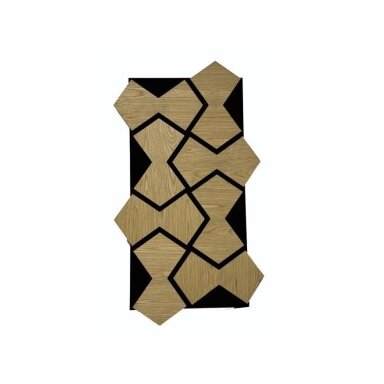
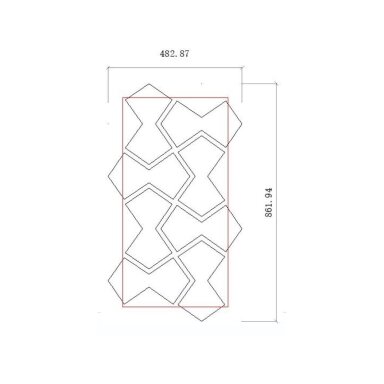 Decorative acoustic wall | ceiling panel | interior cladding | hourglass-shaped elements | 861.94x482.87x18mm | MDF + PET | oak finishCode: ES-TWVSC-NO-02Price 46.95 € VAT incl.( 38.80 € VAT excl. )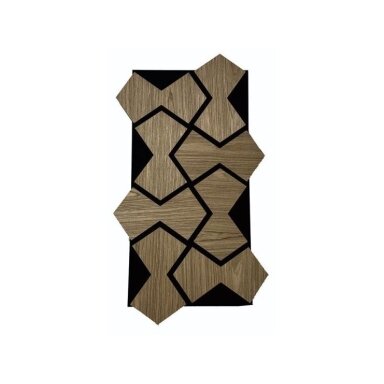
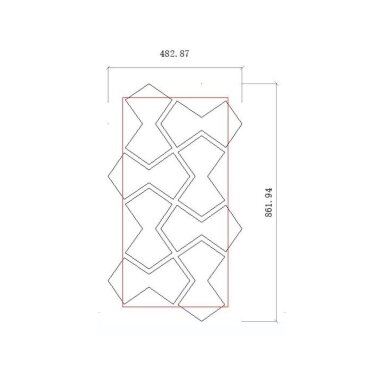 Decorative acoustic wall | ceiling panel | interior cladding | hourglass-shaped elements | 861.94x482.87x18mm | MDF + PET | dark walnut finishCode: ES-TWVSC-DW-01Price 46.95 € VAT incl.( 38.80 € VAT excl. )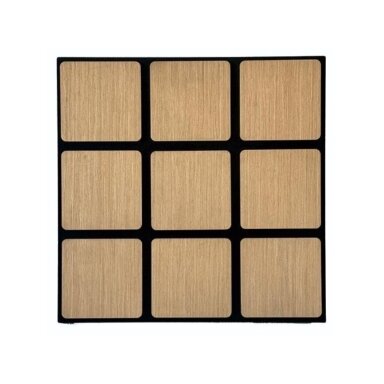
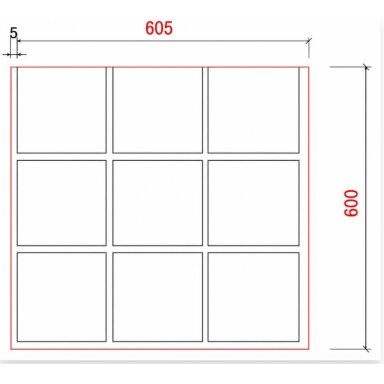 Decorative Acoustic Wall | Ceiling Panel | Square Elements | Interior Cladding | 605x600x18mm | MDF + PET | Light Oak FinishCode: ES-TWVSQ-YO-08Price 46.95 € VAT incl.( 38.80 € VAT excl. )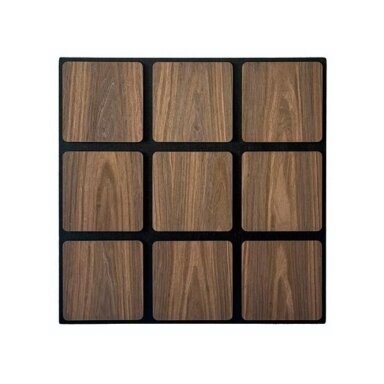
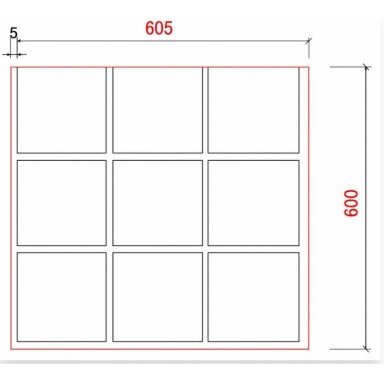 Decorative Acoustic Wall | Ceiling Panel | Square Elements | Interior Cladding | 605x600x18mm | MDF + PET | Smoked Oak FinishCode: ES-TWVSQ-SO-07Price 46.95 € VAT incl.( 38.80 € VAT excl. )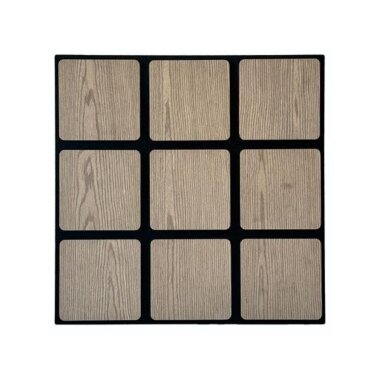
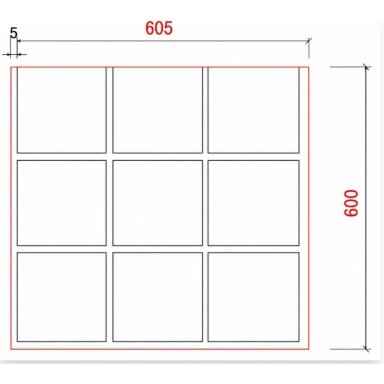 Decorative Acoustic Wall | Ceiling Panel | Square Elements | Interior Cladding | 605x600x18mm | MDF + PET | Oak FinishCode: ES-TWVSQ-NO-06Price 46.95 € VAT incl.( 38.80 € VAT excl. )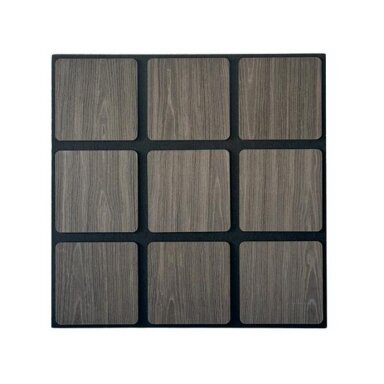
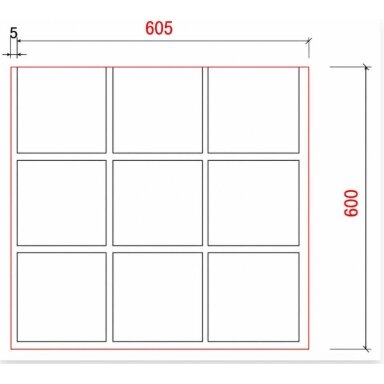 Decorative Acoustic Wall | Ceiling Panel | Square Elements | Interior Cladding | 605x600x18mm | MDF + PET | Dark Grey Oak FinishCode: ES-TWVSQ-DO-05Price 46.95 € VAT incl.( 38.80 € VAT excl. )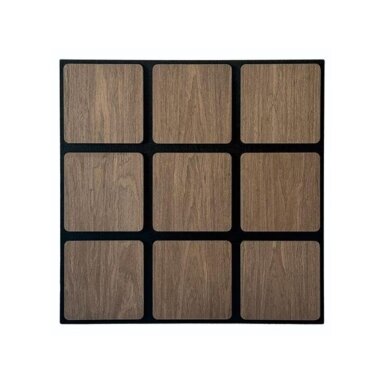
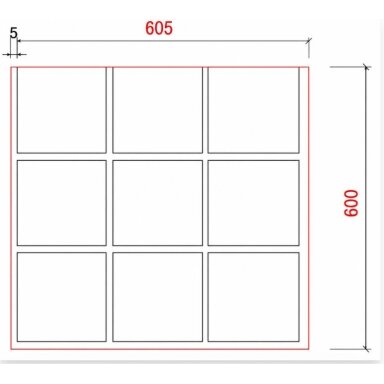 Decorative Acoustic Wall | Ceiling Panel | Square Elements | Interior Cladding | 605x600x18mm | MDF + PET | Dark Walnut FinishCode: ES-TWVSQ-DW-04Price 46.95 € VAT incl.( 38.80 € VAT excl. )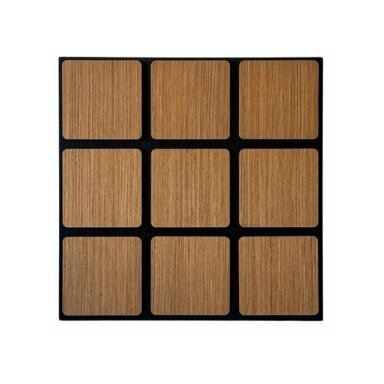
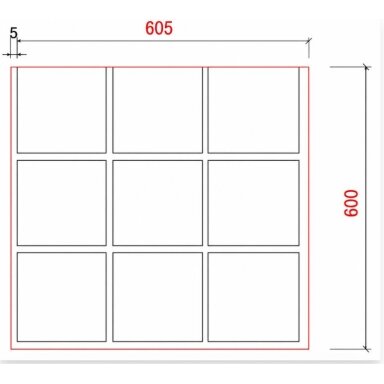 Decorative Acoustic Wall | Ceiling Panel | Square Elements | Interior Cladding | 605x600x18mm | MDF + PET | teak wood finishCode: ES-TWVSQ-TK-03Price 46.95 € VAT incl.( 38.80 € VAT excl. )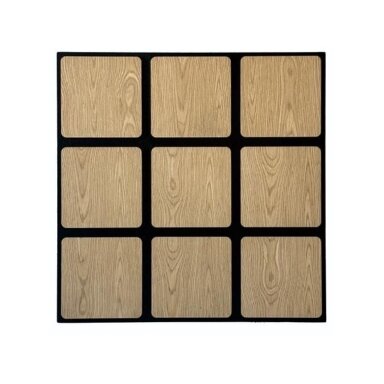
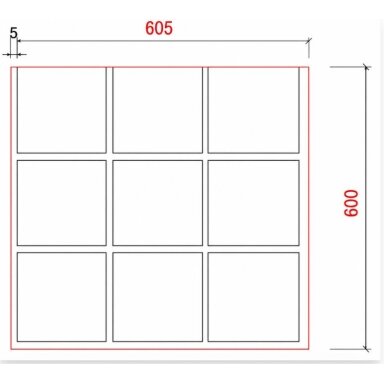 Decorative Acoustic Wall | Ceiling Panel | Square Elements | Interior Cladding | 605x600x18mm | MDF + PET | Oak FinishCode: ES-TWVSQ-OK-02Price 46.95 € VAT incl.( 38.80 € VAT excl. )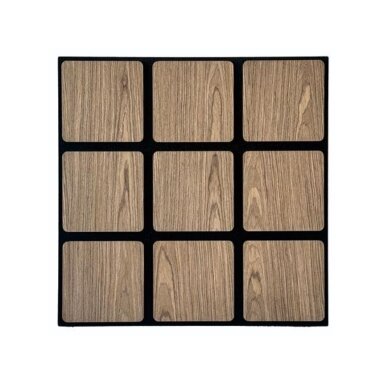
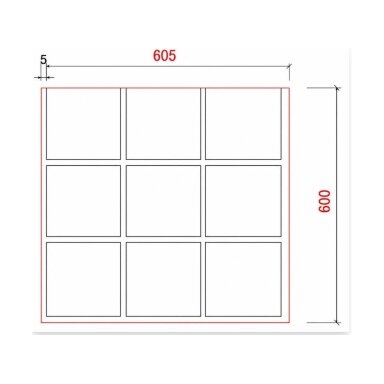 Decorative Acoustic Wall | Ceiling Panel | Square Elements | Interior Cladding | 605x600x18mm | MDF + PET | Light Walnut FinishCode: ES-TWVSQ-LW-01Price 46.95 € VAT incl.( 38.80 € VAT excl. )


