


Emergency safety showers | body | face | eye wash systems | stationary | mobile | combined solutions
-
Guide: emergency showers and eyewash stations that work when they are needed
Here you will find a quick selection by situation, what the 10-second and 15-minute rule means, which parameters to check in the specification, the most common mistakes and answers to the key questions.
Colour key: ■ information · ■ benefit, solution · ■ ⚠ check · ■ ⚡ safety, mistakes
Contents: What do you need? · 10 s and 15 min rule · How much water · EN 15154 / ANSI · What to check · Mistakes · Diagrams · FAQWhat do you need? Quick selection
Situation Solution Products Chemical plant, unloading area, high spill risk Fixed combination shower – body shower + eye/face wash in one place 75.7 + 11.4 l/min, stainless steel
75.7 + 11.4 l/min, 2530×660 mm
76 + 11.4 l/min, ABS, yellow
Dual ball valve
Hands-free operation
Vertical industrial unitLaboratory, chemistry classroom, medical room – the main hazard is splashes to the eyes Eye/face wash on a pedestal, wall-mounted or countertop (with a pull-out hose – also for rinsing other parts of the body) 11.4 l/min, 1040×260 mm
1050×270 mm
Countertop, 550×260×195 mm
Countertop, with hose
Countertop, dual spray headsBattery room, transformer substation, warehouse without mains water Self-contained eyewash station with a 30–60 L tank (wall-mounted or free-standing) 30 L, yellow / green
53 L, gravity-fed, with waste tank
60 L, with waste tankChanging workplaces inside the plant, maintenance work Station on a trolley with a waste tank – wheeled to the work area 30 L + 100 L, with trolley Outdoor work, construction site – a body shower is needed too, but there is no water supply Mobile combination shower with a tank; for longer-term work – a cabin with a water reservoir 45 L, stainless steel
53 L, ABS
Cabin with 1200 L reservoirOutdoor site, terminal – wind protection and privacy are required Enclosed combination shower cabin Enclosed, 2200×1200×900 mm An eyewash point is already in place, but full-body drenching is missing Fixed body safety shower Safety shower 76 l/min Rinsing must start instantly – at machines, in vehicles, in a service kit Personal kit or compact pressurised station – as a supplementary measure until the main station is reached Kit 2×500 ml
5 L pressurised stationThe best solution is a combination, not a single unit
The main station provides 15 minutes of flushing, while a personal kit right at the workplace lets rinsing start within the first seconds. This shortens the time to first aid and reduces the severity of the injury.
- Laboratory: countertop eyewash + combination shower near the exit.
- Battery room without water: 30–60 L wall-mounted station + 2×500 ml kit at the entrance.
- Chemical plant: stainless steel combination shower in every risk zone.
- Outdoor work: mobile combination shower or a cabin with a water reservoir.
The 10-second and 15-minute rule
Acids and alkalis damage eye tissue within seconds, so the station must be reachable quickly and flushing must last long enough to remove the substance completely.
Chemical gets into the eyes or onto the skin→Station reached within 10 s→Valve opens in 1 s, hands remain free→≥ 15 min of tepid water→✓ Medical assistance✗ What often happens
- Station behind a door, on another floor or blocked by pallets
- Ice-cold water – the person rinses for 2–3 minutes and stops
- Instead of a station – a bottle in the first aid kit
- Stale water in the tank, nobody has checked it for a year
- Staff do not know where the station is or how to activate it
✓ How it should be
- On the same level, with no stairs or locked doors in the way
- Tepid water 16–38 °C – flushing for the full 15 min
- Bottle only as a supplement, with the main station nearby
- Activated weekly, tank water replaced on schedule
- Marked with an ISO 7010 sign, illuminated, staff trained
How much water does 15 minutes of flushing take
Unit Minimum flow Water in 15 min Eyewash (ANSI) 1.5 l/min ~23 L Plumbed eyewash (EN) 6 l/min ~90 L Eye/face wash (ANSI) 11.4 l/min ~171 L Body shower (EN) 60 l/min ~900 L Body shower (ANSI) 75.7 l/min ~1135 L What this means in practice: a 30 L eyewash station delivering 1.5 l/min has enough water for ~20 min – a fully fledged main station. A 5 L station at the same flow runs for only ~3 min, and a 2×500 ml kit even less, so they are meant to start rinsing until the main station is reached. A body shower needs ~1 m³ of water, so the body spray of a mobile shower with a 45–53 L tank lasts only a limited time – treat it as a temporary solution where there is no mains water.
Requirements: EN 15154 and ANSI/ISEA Z358.1
Parameter EN 15154 (Europe) ANSI/ISEA Z358.1 (USA, widely applied) Body shower flow ≥ 60 l/min, unless national requirements specify otherwise ≥ 75.7 l/min Eyewash flow ≥ 6 l/min (plumbed eyewashes) Eyes ≥ 1.5 l/min; eyes and face ≥ 11.4 l/min Duration ≥ 15 min ≥ 15 min Water temperature Recommended not below ~15 °C Tepid, 16–38 °C Accessibility Based on the risk assessment Within 10 s (~17 m), on the same level, unobstructed Maintenance According to the manufacturer's instructions Activate weekly, full inspection annually The table is for information only. Requirements for a specific site are determined by the occupational health and safety risk assessment and applicable legislation.
⚠ What to check before buying
 KibirkštisBefore ordering, I always check the water pressure and connections on site – otherwise the shower arrives and there is nothing to connect it to.
What to check Why it matters Water pressure and pipe diameter Most fixed models operate at 0.2–0.6 MPa. A body shower needs a supply line of sufficient diameter – a narrow pipe will not deliver 60–76 l/min. Water temperature If only cold water is available, provide a thermostatic mixing valve – otherwise flushing will be cut short. Drainage Where will 900–1100 L of water go? A floor drain, a floor slope or a station with a waste tank. Material In aggressive environments – stainless steel; ABS plastic is lighter and resists most chemicals, but check compatibility with your substances. Activation A push handle, pull rod or foot pedal must open the valve in one motion and keep it open – so the casualty's hands are free to hold the eyes open. Tank volume (self-contained units) Tank volume ÷ flow ≥ 15 min. Also check the water replacement interval and whether a preservative is needed. Installation location Outdoors and in unheated rooms – freeze protection; near electrical equipment – a safe distance and the right drainage direction. ✗ Most common mistakes
Mistake Consequence A bottle instead of a station The water lasts a few dozen seconds – the eye is not flushed thoroughly. Station too far away or obstructed Every extra second increases eye damage. Cold water only Flushing stops after a few minutes; hypothermia is possible. Nowhere for the water to drain The room floods, floors become slippery, contaminated water spreads. No freeze protection outdoors In winter the pipework or valve freezes – the shower fails exactly when it is needed. No testing, tank water not replaced Stale water with bacteria is flushed straight into an injured eye. Shower or drainage next to a switchboard or battery rack ⚡ Water on live parts – risk of electric shock and short circuit. What the key mistakes look like in practice – see the diagrams.

⚡ Safe installation – advice from Fazė
- In battery rooms and electrical rooms the eyewash station must be close by, but the shower spray and drainage must be directed away from switchboards, racks and cable trays.
- Heat-trace cables, thermostats and lighting near the shower – with a suitable IP class and 30 mA residual current protection (RCD).
- Plumbing, drainage and electrical work must be carried out by qualified professionals according to the manufacturer's instructions.
- UAB „Elektrotechnikos sprendimai“ provides this information for guidance only and accepts no liability for improper connection or installation errors.
☝ Elsprendimai.eu recommends: complete workplace safety with personal protective equipment, dielectric protective equipment for work in battery rooms, emergency lighting to mark the station location, and laboratory taps and sinks.Diagrams: what often happens and how it should be
In each diagram, the most common mistake is on the left and the correct solution on the right. The numbers in the diagram correspond to the explanations below it.
Diagram 1. Station location and accessibility. Distance is measured along the walking route: pallets, doors or stairs can make the route several times longer, even if the station looks close in a straight line.
KibirkštisThe station is just behind the wall – surely that's not far?
FazėIn a straight line – no, but around the pallets and through a locked door it takes 35–40 seconds. The station must be on the same level, on a clear route and reachable within 10 s.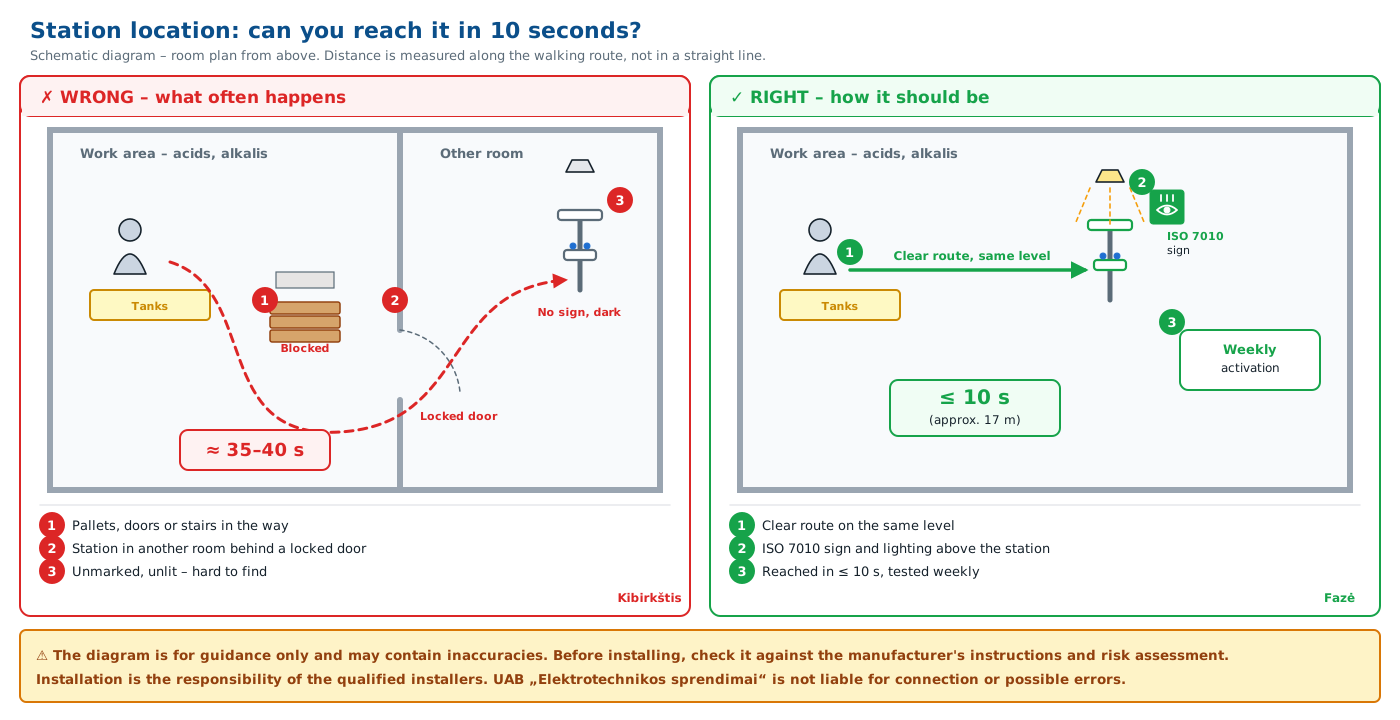 ☝ Click the diagram to open an enlarged version.⚠ This diagram is for guidance only and may contain inaccuracies. Before installation, check it against the manufacturer's instructions and the risk assessment.
Installation is the responsibility of the qualified professionals who carry it out. UAB „Elektrotechnikos sprendimai“ accepts no liability for connection or possible errors.Diagram 2. Battery room and electrical room. Electrolyte in the eyes requires rapid flushing, but the water must not reach switchboards and live parts.
KibirkštisCan you install a shower in a battery room – isn't there electricity everywhere?
FazėYou can and you should – just do it right: a self-contained station next to the rack, the switchboard in a dry zone, drainage sloped away from electrical equipment.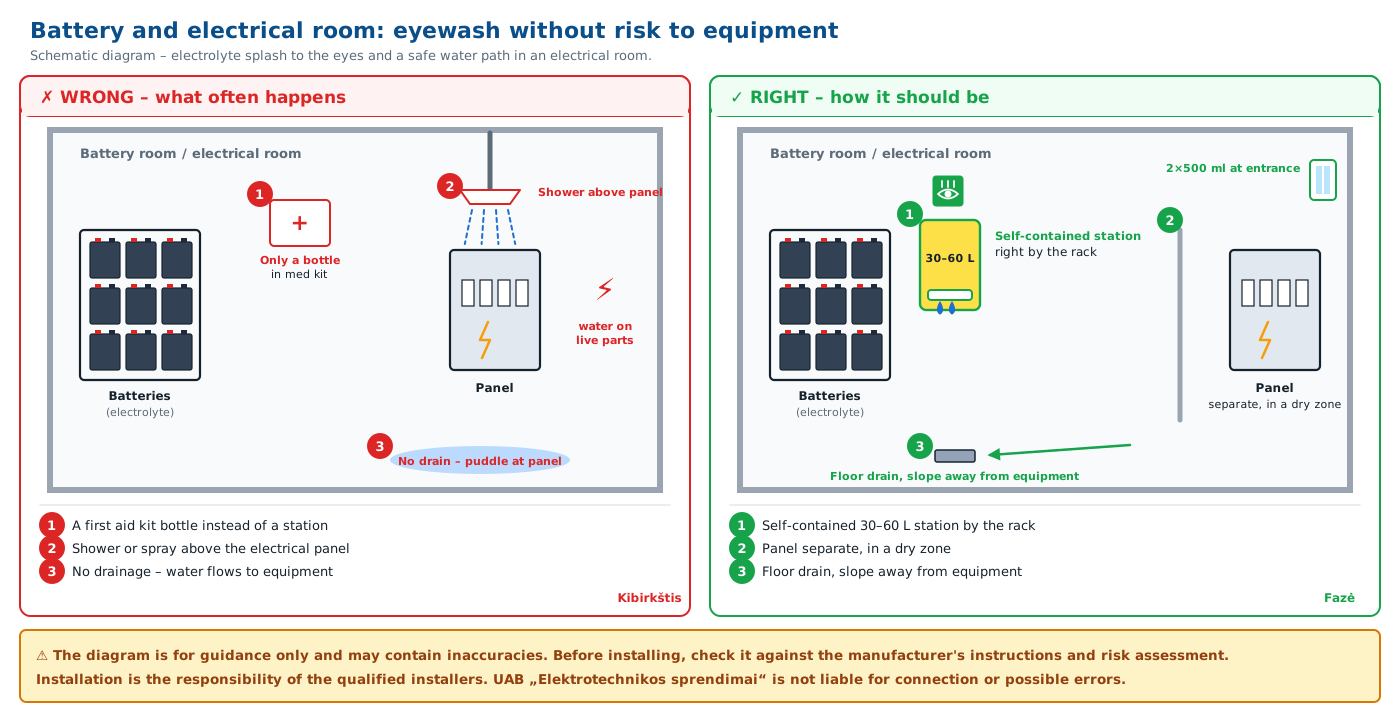 ☝ Click the diagram to open an enlarged version.⚠ This diagram is for guidance only and may contain inaccuracies. Before installation, check it against the manufacturer's instructions and the risk assessment.
Installation is the responsibility of the qualified professionals who carry it out. UAB „Elektrotechnikos sprendimai“ accepts no liability for connection or possible errors.Diagram 3. Water supply: temperature and freezing. An outdoor shower needs freeze protection, and flushing needs tepid water – otherwise nobody will last 15 minutes.
KibirkštisWhy is ice-cold water bad – it still rinses, doesn't it?
FazėBecause after 2–3 minutes the person steps away, while flushing must last 15. A thermostatic mixing valve maintains 16–38 °C, and a heat-trace cable keeps the pipework from freezing.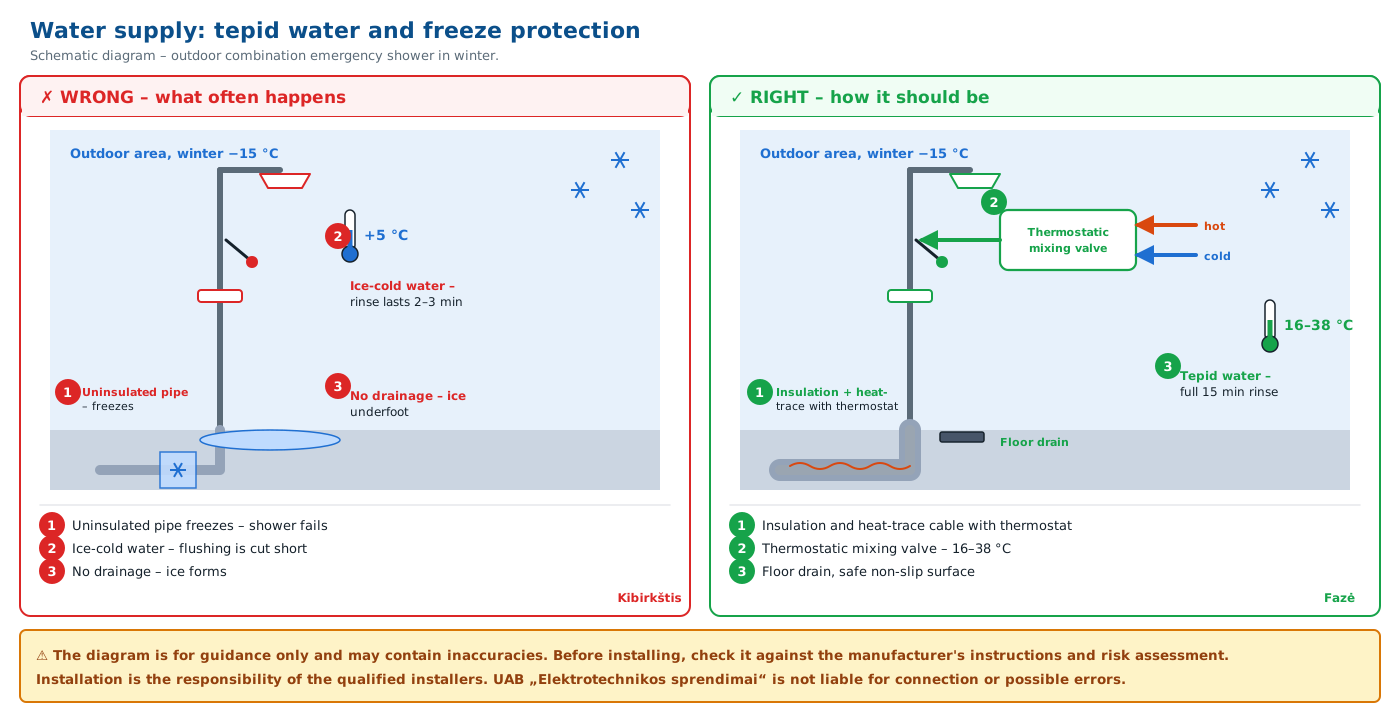 ☝ Click the diagram to open an enlarged version.⚠ This diagram is for guidance only and may contain inaccuracies. Before installation, check it against the manufacturer's instructions and the risk assessment.
Installation is the responsibility of the qualified professionals who carry it out. UAB „Elektrotechnikos sprendimai“ accepts no liability for connection or possible errors.Frequently asked questions
Asking is Kibirkštis – a young, curious electrician who dares to ask what others won't. Answering is Fazė – an experienced engineer.
KibirkštisWhat is the difference between an eyewash station and a combination shower?
FazėAn eyewash station rinses the eyes and face with a gentle stream. A combination unit also has a high-flow body shower – needed when a substance spills onto clothing or a larger area of the body.
KibirkštisWe have an eyewash bottle in the first aid kit. Isn't that enough?
FazėNo. A bottle helps start rinsing within the first seconds, but it won't last 15 minutes. It always goes together with a main station, never instead of it (how much water is needed).
KibirkštisWe service battery rooms in transformer substations – there's no water there. What should we install?
FazėA self-contained 30–60 L wall-mounted station next to the racks and a personal kit in the service bag. Electrolyte in the eyes is exactly the situation these stations are designed for.
KibirkštisCan an emergency shower be installed outdoors in a cold Baltic climate?
FazėYes, but only with freeze protection: a heat-trace cable with a thermostat, insulation and a frost-resistant valve. Another option is an enclosed cabin. A shower that is frozen in winter is worse than none at all, because everyone assumes it works.
KibirkštisHow often do they need to be checked?
FazėPlumbed units – activate briefly every week: you check the flow and flush out stagnant water. A full flow and function inspection – once a year. Replace the water in self-contained tanks according to the manufacturer's schedule.
KibirkštisDo you help select equipment for a site?
FazėYes. Send us the purpose of the premises, the substances used and the water supply conditions – we will select a solution and send you a quotation. Contact us.Sources (checked 2026-10-07): EN 15154-1 summary; EN 15154 parts overview; ANSI/ISEA Z358.1 eyewash; ANSI Z358.1 showers and eyewashes.
A safe workplace starts with 10 seconds
Fixed and combination showers, eyewashes, self-contained stations and mobile solutions – all in one place. Send us a description of your site: we will select equipment based on the risk and water supply conditions. Can't find the model you need in the catalogue? Some equipment is supplied to order.
Get a quote 1 - 16 of 25
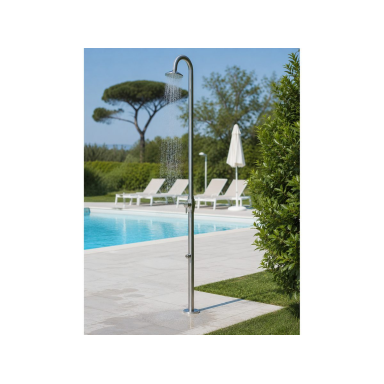
 Stationary outdoor shower with mixer | for hot and cold water | stainless steel | for pools and beachesCode: ES-YC-80542Price 838.49 € VAT incl.( 692.97 € VAT excl. )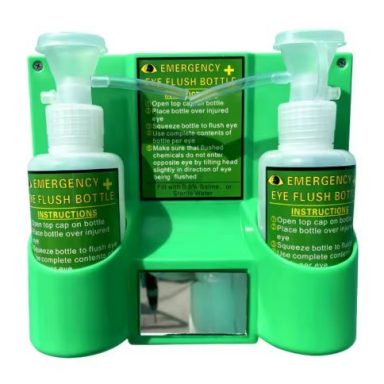
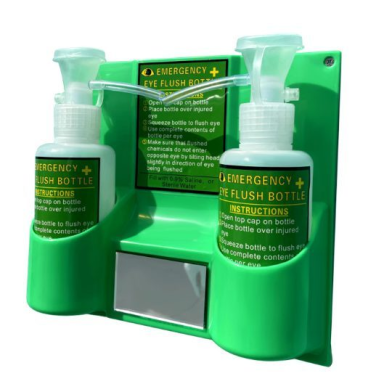 Emergency eye wash kit | 2×500 ml | eye and skin rinsing | station with holder | portable | manual squeeze operationCode: ES-ST6670-APrice 76.84 € VAT incl.( 63.50 € VAT excl. )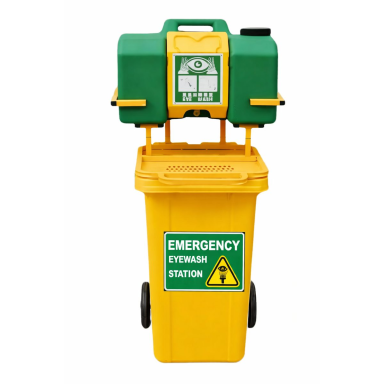
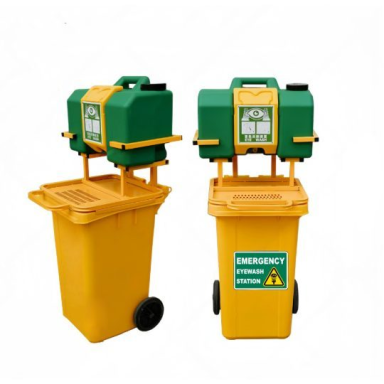 Emergency eye and face wash station | with trolley and wastewater tank | 30L + 100L | mobile | автономous operation | ABS plastic | yellow / greenCode: ES-STBX-30L-100LPrice 715.23 € VAT incl.( 591.10 € VAT excl. )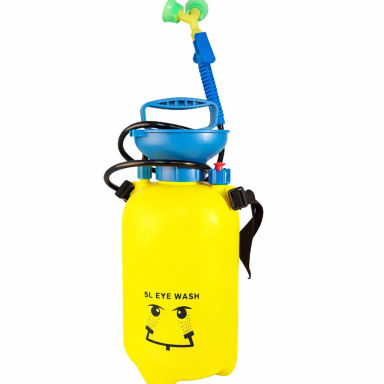
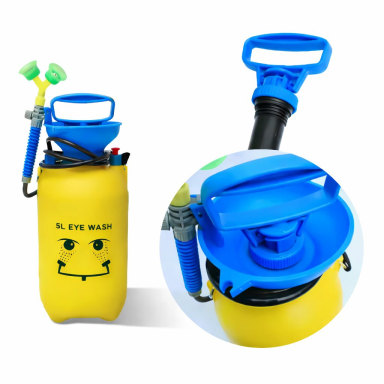 Portable emergency eyewash station | 5L water tank | compact | автономous pressurized system | wall-mounted / portable | yellowCode: ES-STBX-5LPrice 84.28 € VAT incl.( 69.65 € VAT excl. )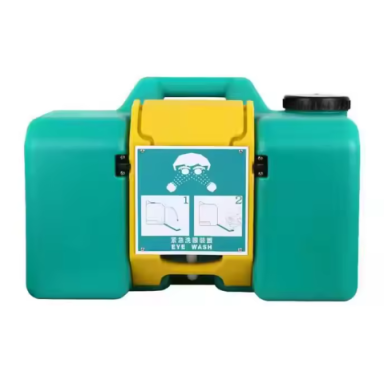
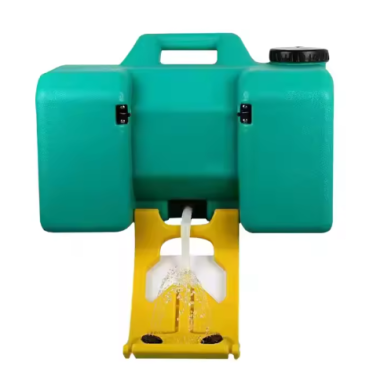 Emergency eyewash station | 30L water tank | eye and face washing | wall-mounted | автономous | 1.5 L/min | ABS plastic | greenCode: ES-STBX-30LPrice 243.39 € VAT incl.( 201.15 € VAT excl. )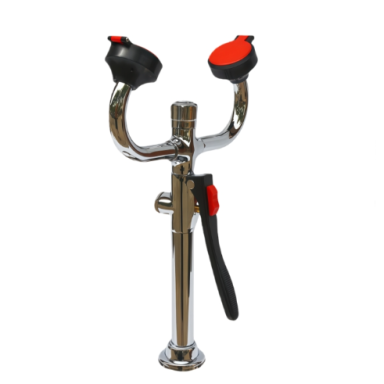
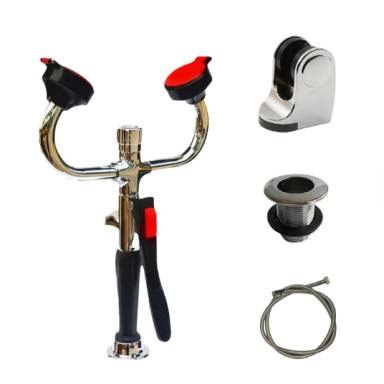 Emergency eye wash device | countertop mounted | ≥11.4 L/min | 0.2 – 0.6 MPa | with hose | dual nozzles | stainless steelCode: ES-STSZ014Price 120.81 € VAT incl.( 99.84 € VAT excl. )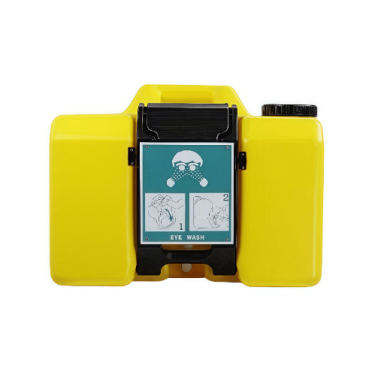
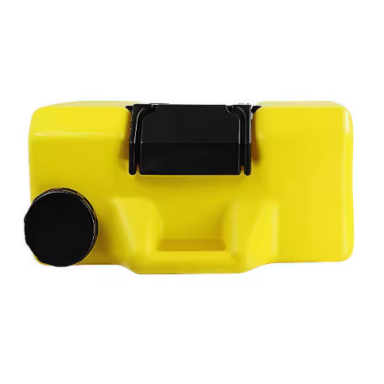 Emergency eyewash station | 30L water tank | eye and face washing | wall-mounted | автономous | 1.5 L/min | ABS plastic | yellowCode: ES-STBX-30L-2Price 243.39 € VAT incl.( 201.15 € VAT excl. )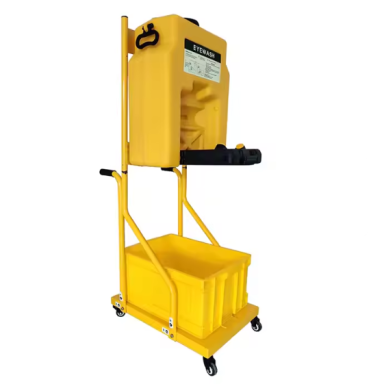
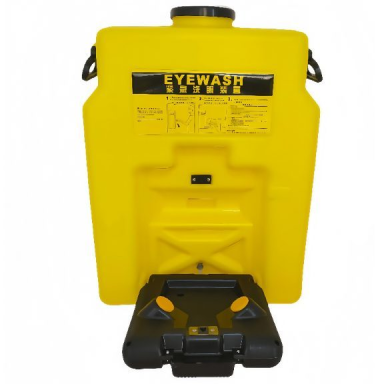 Portable emergency eye and body wash station | 53L water tank | mobile | combined shower + eye wash | ABS plastic | yellowCode: ES-STBX-53LPrice 359.73 € VAT incl.( 297.30 € VAT excl. )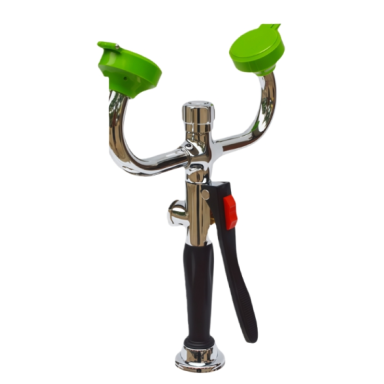
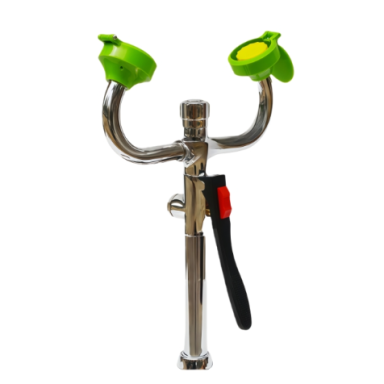 Emergency eye wash unit | countertop mounted | ≥11.4 L/min | 0.2 – 0.6 MPa | with hose | dual nozzles | stainless steelCode: ES-STSZ001E1Price 177.76 € VAT incl.( 146.91 € VAT excl. )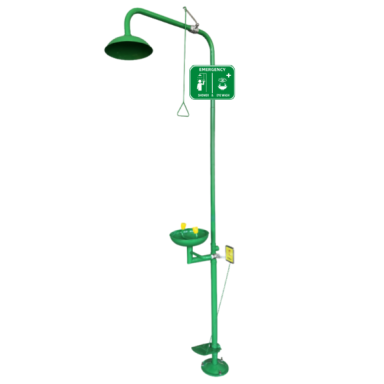
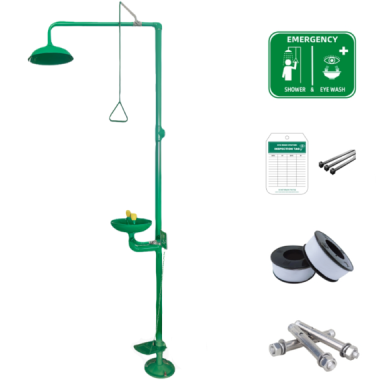 Emergency eyewash and safety shower | ≥11.4 L/min | 0.2 – 0.6 MPa | stainless steel | double ball valve | greenCode: ES-STFHS006Price 499.39 € VAT incl.( 412.72 € VAT excl. )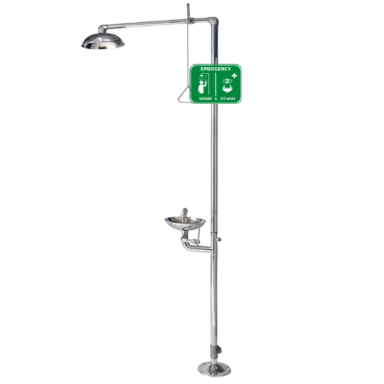
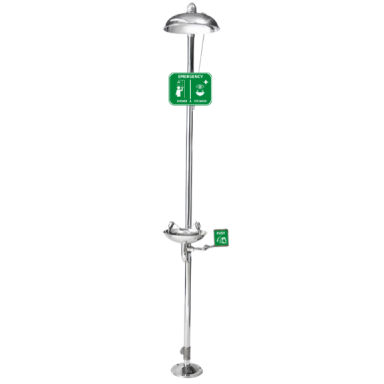 Emergency eye wash and safety shower | ≥11.4 L/min | 0.2–0.6 MPa | stainless steel | hands-free operationCode: ES-STFHS001Price 372.44 € VAT incl.( 307.80 € VAT excl. )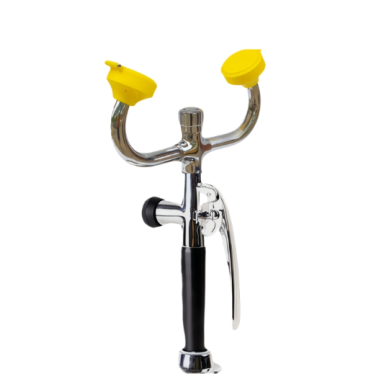
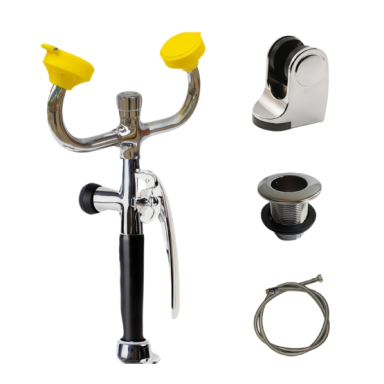 Emergency eye wash device | countertop-mounted | ≥11.4 L/min | 0.2 – 0.6 MPa | dual nozzles | stainless steelCode: ES-STSZ001EPrice 177.62 € VAT incl.( 146.79 € VAT excl. )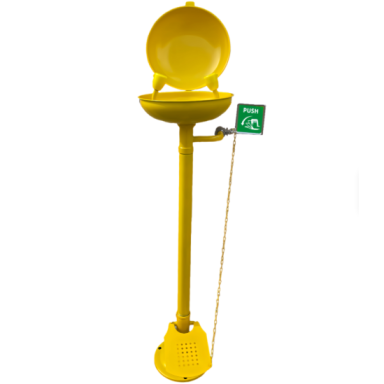
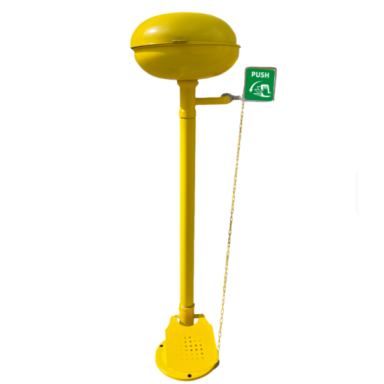 Emergency shower with eye wash station | stainless steel | 30x66x20cm | vertical | industrial safety device | yellowCode: ES-STLS002Price 359.47 € VAT incl.( 297.08 € VAT excl. )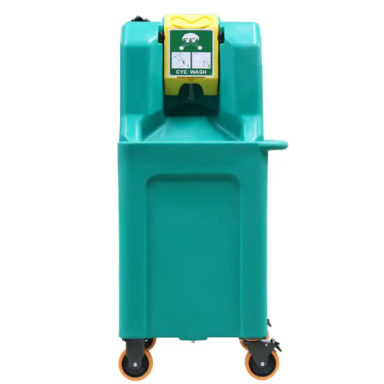
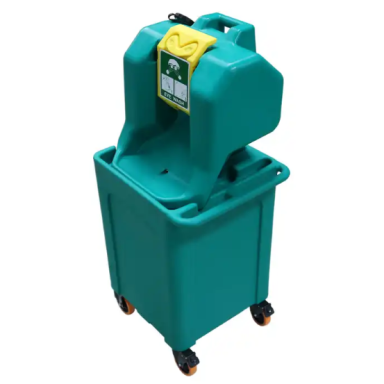 Portable emergency eyewash station | with wastewater tank | 60L water capacity | wall-mounted / mobile | автономous operation | greenCode: ES-STBX-60LGPrice 1157.57 € VAT incl.( 956.67 € VAT excl. )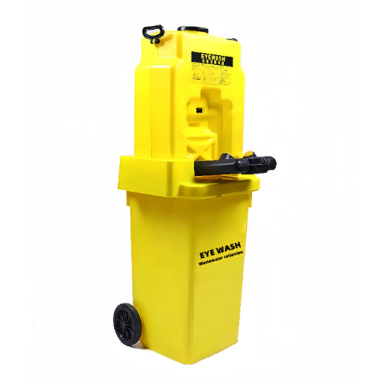
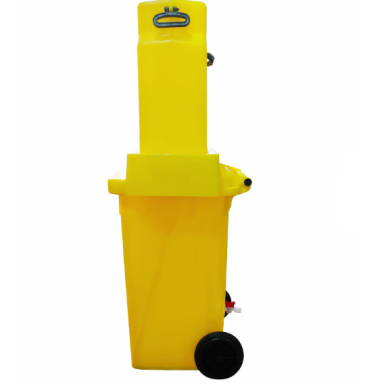 Portable emergency eyewash station | with wastewater tank | 53L water capacity | gravity operation | mobile safety solution | yellowCode: ES-STBX-53L-Y100L-01Price 554.99 € VAT incl.( 458.67 € VAT excl. )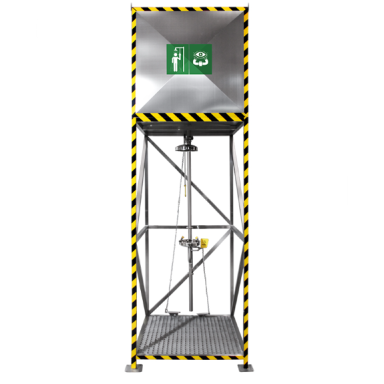
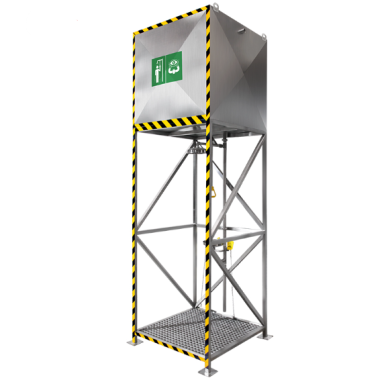 Emergency eyewash and safety shower cabin | with 1200L water reservoir | ≥11.4 L/min | 3650x1200x1200mm | stainless steelCode: ES-BD-602APrice 7842.18 € VAT incl.( 6481.14 € VAT excl. )


