


Automatic Aerosol Fire Suppression Device | 15 g | 0.15 m³ | 170 °C Activation | DIN | A/B/C/E | ES-QRR0.015G/S-CFLC
Code: ES-QRR0.015G/S-CFLCPrice 36.30 € VAT incl.( 30.00 € VAT excl. )Buy more, pay less10+ pcs. – 31.46 € for pcs. -13%Want another price? Suggest yours!ES-QRR0.015G/S-CFLC is a compact autonomous aerosol fire suppression module, mounted on a DIN rail directly inside an electrical or automation enclosure. The device contains 15 g of aerosol-generating compound, and the protected enclosed volume reaches up to 0.15 m³. It activates automatically when the thermal activation line heats up to 170 ±10 °C – no power supply, no controller, no external sensors required.
-
Automatic Aerosol Fire Suppression Device | 15 g | 0.15 m³ | 170 °C Activation | DIN | A/B/C/E | ES-QRR0.015G/S-CFLC
ES-QRR0.015G/S-CFLC is a compact autonomous aerosol fire suppression module, mounted on a DIN rail directly inside an electrical or automation enclosure. The device contains 15 g of aerosol-generating compound, and the protected enclosed volume reaches up to 0.15 m³. It activates automatically when the thermal activation line heats up to 170 ±10 °C – no power supply, no controller, no external sensors required.
Main idea:
Most fires in electrical panels start at an overheated terminal, contactor, or conductor, and stay undetected inside a closed enclosure for the first few minutes. A general room fire alarm picks this up late, and the fire extinguisher hangs out in the corridor. The ES-QRR0.015G/S-CFLC module is installed right at the source of risk and extinguishes locally, before the flame spreads beyond the enclosure. It is an inexpensive protection measure for expensive equipment: meters, automation controllers, frequency converters, UPS units, and server cabinet components.Suppression agent
15 g aerosol-generating compoundProtected volume
up to 0.15 m³ (100 g/m³ density)Activation
thermal line, 170 ±10 °C, autonomousStandard / installation
EN 15276-1:2019; DIN rail, 66×79×19 mmOperating principle
The module is mounted inside the protected enclosed space on a DIN rail, and the thermal activation line is routed over the most likely fire zone. Under normal conditions the device is completely passive – it uses no energy and requires no connection to any control system. If a fire breaks out inside the enclosure, the temperature rises, and once the activation line reaches 170 ±10 °C, the aerosol generator is triggered.
Once triggered, the generator releases the fire-suppressing aerosol within a few seconds – fine particles of potassium compounds that break the combustion chain reaction. The design suppression density is 100 g/m³, so 15 g of agent is sufficient for up to 0.15 m³ of enclosed volume. The aerosol is effective only in an enclosed space: if the enclosure door is open or there are large ventilation openings, the concentration cannot be maintained and the suppression effect is reduced.
What are the benefits of the ES-QRR0.015G/S-CFLC?
It provides automatic fire protection in places where other measures are practically impossible to install – in a small electrical enclosure, an automation box, or an equipment cabinet. No power supply, piping, or alarm control panel is needed: it only needs to be screwed onto the DIN rail and the activation line routed correctly. The aerosol is non-conductive and leaves no water or powder residue, so after activation the equipment can often be cleaned and continue in use.Technical specifications
Model ES-QRR0.015G/S-CFLC Product type Automatic aerosol fire suppression device, autonomous Suppression agent 15 g aerosol-generating compound Protected volume up to 0.15 m³ (100 g/m³ density) Activation thermal line, 170 ±10 °C, autonomous Standard / installation EN 15276-1:2019; DIN rail, 66×79×19 mm Fire classes A, B, C, E (solid, liquid, gaseous materials, electrical equipment) Oxidizing agent Sr(NO₃)₂, KNO₃ – 70 % Operating temperature −50 … +90 °C Relative humidity ≤ 95 % RH Weight 85 g Service life 10 years Power supply Not required – fully autonomous Certificates / markings CE, TÜV, RoHS, ISO 9001, CMA, CNAS Key features
- Automatic thermal activation – triggers without human intervention, power, or a controller, once the line reaches 170 ±10 °C.
- Local suppression at the source – the aerosol fills the enclosed volume up to 0.15 m³ and suppresses the flame within the first seconds.
- DIN rail mounting – the 66×79×19 mm housing takes up about as much space as a few modular circuit breakers.
- Classes A, B, C, E – suitable for fires involving solid, liquid, gaseous materials, and electrical equipment.
- Wide operating range – from −50 to +90 °C and up to 95 % RH: suitable for outdoor enclosures, cold rooms, production areas.
- 10-year service life – no periodic refilling or pressure checking, unlike powder or gas fire extinguishers.
Where is it used?
- Electrical distribution boards in apartment buildings, offices, and private homes.
- Automation and control cabinets with PLCs, frequency converters, relays.
- Protection of solar inverter, DC panel, and battery box enclosures.
- Server, telecommunications, and network equipment cabinets.
- UPS and battery cabinets, charging station panels.
- Outdoor enclosures, containerized and compact electrical installations.
- Production line machine control panels and power boards.
- Elevator, ventilation, and heating automation boxes.
Application by need
For residential users.
A home's main or distribution board often stands in a hallway, garage, or basement, where a fire is noticed late. A single module on the DIN rail provides automatic protection with no maintenance for 10 years – install it and forget about it.For businesses and industry.
Automation cabinets concentrate expensive equipment, and downtime costs more than the equipment itself. The module extinguishes the fire at its source before it spreads to cable runs, reducing downtime and insurance risk. Larger enclosures use several modules or higher-capacity versions.For electricians / engineers.
This is a simple way to add fire protection to a project without a separate suppression system: no power, signals, piping, or control panel required. It is important to correctly calculate the enclosed enclosure volume (no more than 0.15 m³ per module) and route the activation line over the risk zone.Practical application
An office building floor panel measuring 500×400×220 mm has an internal volume of about 0.044 m³. It houses 36 modular circuit breakers, contactors, and lighting control relays. A single ES-QRR0.015G/S-CFLC module, rated for up to 0.15 m³, covers this volume with triple the margin. The device is screwed onto a free section of DIN rail (2–3 module widths), and the activation line is routed over the row of breakers and contactors. If a contactor contact overheats and the insulation catches fire, the line reaches 170 °C, the module activates, and the aerosol fills the enclosed panel within seconds – the fire is suppressed before the cable entries burn through.
Pros
- Fully autonomous – no power supply, controller, sensors, or alarm control panel required.
- Compact – 66×79×19 mm, 85 g; fits even the smallest enclosures.
- Quick installation – on the DIN rail in a few minutes, with no tools needed for the suppression system.
- Does not harm electronics – the aerosol is non-conductive, with no water or powder residue.
- Wide range – from −50 to +90 °C, up to 95 % RH.
- Long service life – 10 years with no refilling or pressure checking; EN 15276-1:2019, CE, TÜV, RoHS.
Cons / limitations
- Protects only up to 0.15 m³ of enclosed volume – a larger enclosure requires several modules or a higher-capacity version.
- Effective only in an enclosed space – an open door or large ventilation openings reduce the aerosol concentration.
- Single-use – once activated, the module must be replaced with a new one.
- No signal output – activation is not reported to a control or alarm system; periodic inspection is required.
- Activation depends on the placement of the activation line – an incorrectly routed line may trigger too late.
Safety and installation notes
- Before installation, calculate the enclosed enclosure volume (length × width × depth) and make sure it does not exceed 0.15 m³ per module.
- Route the activation line over the highest-risk components – contactors, terminal blocks, power breakers – and secure it so it does not touch moving parts.
- Do not install near heat-emitting elements that may reach close to 170 °C under normal conditions, to avoid false activation.
- Make sure the enclosure door is closed and sealed – this is essential for maintaining the suppression concentration.
- After activation, switch off the power supply, ventilate the enclosure, and inspect the equipment before restarting; replace the module with a new one.
- The module does not replace the building's fire alarm system and fire extinguishers – it is an additional local protection measure in accordance with the site's fire safety requirements.
Quick selection guide
Suppression agent
15 g aerosol-generating compoundProtected volume
up to 0.15 m³ (100 g/m³ density)Activation
thermal line, 170 ±10 °C, autonomousStandard / installation
EN 15276-1:2019; DIN rail, 66×79×19 mmSuitable when you need:- Automatic fire protection in an electrical or automation enclosure up to 0.15 m³, with no power supply or control system.
- To protect expensive equipment (controllers, inverters, UPS units, network equipment) right at the source of risk.
- A simple solution that an electrician can install in a few minutes and that lasts 10 years with no maintenance.
Check before use:- The enclosure's internal volume – no more than 0.15 m³ per module.
- Whether the enclosure is closed and free of large ventilation openings.
- Whether there is free space on the DIN rail (for the 66 mm wide housing) and where the activation line will be routed.
- Whether the ambient temperature under normal conditions is well below the 170 °C activation threshold.
Important reminder:
The aerosol module is an additional local protection measure, not a substitute for the building's fire safety system – its use must comply with the site's fire safety requirements.FAQ
Does the module need a power supply or a connection to an alarm system?
No. The device is fully autonomous – it triggers from temperature, with no wiring or controllers required.What size enclosure does one module protect?
Up to 0.15 m³ of enclosed volume, e.g. an enclosure of 600×500×500 mm. For a larger volume, use several modules or a higher-capacity version.Does the aerosol damage electrical equipment?
The aerosol is non-conductive and leaves no water or powder residue. After activation the enclosure should be ventilated and inspected, but the equipment usually remains fit for use.Can it be reused?
No, the module is single-use – it is replaced with a new one after activation.Is it suitable for outdoor enclosures?
Yes – the operating temperature range is −50 to +90 °C, humidity up to 95 % RH, provided the enclosure is closed and sealed.How often does it need to be checked?
During periodic inspection, check that the module has not activated and that the activation line is undamaged. Service life is 10 years, after which the module is replaced.Automatic Aerosol Fire Suppression Device | 15 g
ES-QRR0.015G/S-CFLC is a 15 g autonomous aerosol fire suppression module for DIN rail, protecting up to 0.15 m³ of enclosed electrical or automation enclosure volume. It activates automatically at 170 ±10 °C with no power supply or control system, suppresses fire classes A, B, C, E, has a 10-year service life, and complies with EN 15276-1:2019. It is an optimal solution for protecting expensive equipment right at the source of risk.
Illustrative image may have been created using AI. The appearance of the product may differ slightly from the image shown. Please refer to the technical specification.ManufacturerCircuit breakers, also known as protective breakers or circuit interrupters, are essential components of electrical protection systems. They automatically disconnect the electrical circuit when it becomes overloaded or when a short circuit occurs. They are used in electrical installations to protect equipment and people from electrical faults. Circuit breakers come in various types and have different characteristics depending on the installation location, circuit load, and other specifications.
Circuit Breaker Characteristics:
B, C, and D Characteristics:
B characteristic: Used in residential areas or low-load systems. They operate when the current exceeds the nominal current by 3 to 5 times.
C characteristic: Commonly used in both residential and commercial or industrial spaces. Their operating threshold is 5 to 10 times the nominal current, making them suitable for loads with high inrush currents (e.g., motors, lighting systems).
D characteristic: Used in industrial installations where loads have very high inrush currents (e.g., compressors, transformers). They operate when the current exceeds the nominal by 10 to 20 times.
Advantages (Pros) of Circuit Breakers:Safety: Circuit breakers ensure that the circuit is automatically disconnected in case of overload or short circuit, preventing wire burning, equipment damage, or even fires.
Reliability: They are highly reliable and can operate for long periods without maintenance, reacting automatically when electrical faults occur.
Ease of use: There is no need to replace the breaker after it trips. After an overload or short circuit, the circuit breaker can simply be reset to its operational position, avoiding the need to replace fuses.
Precision: Circuit breakers operate accurately according to the nominal current and circuit characteristics, ensuring minimal unnecessary power interruption.
Protection against short circuits and overloads: Breakers not only protect against short circuits but also against prolonged overloads, which can be harmful to electrical systems.
Versatility: There are various types of circuit breakers suitable for different systems, from small household installations to large industrial systems.
Easy reset: After a trip, the breaker can simply be reset without the need to replace it (unlike fuses that need to be replaced after a trip).
Disadvantages (Cons) of Circuit Breakers:High cost: Circuit breakers, especially those with more complex functions (e.g., adjustable protection limits), are more expensive than simple fuses.
Limited operating range: While breakers provide protection against overloads and short circuits, they cannot protect against all types of electrical faults, such as overvoltage. Additional protection devices are required for that.
Larger size: Circuit breakers are generally larger than fuses, meaning their installation may require more space in the distribution panel.
Limited protection against frequent overloads: If the electrical system experiences frequent overloads, circuit breakers may not fully protect equipment from long-term damage caused by continuous overload exposure.
More complex repair: Some complex circuit breakers may require more maintenance or repairs if they malfunction or trip incorrectly.
Applications of Circuit Breakers:Household Installations:
B characteristic breakers are most commonly used in residential installations to protect circuits from short circuits and overloads. They are suitable for lighting circuits, plugs, and other low-load devices.
C characteristic breakers are also used in homes but are better suited for areas with higher inrush currents, such as electric motors or heaters.
Commercial and Industrial Installations:C characteristic breakers are often used in commercial and industrial buildings. They are suitable for electrical equipment with medium inrush currents.
D characteristic breakers are used in industrial equipment where large inrush currents occur, such as for heavy motors, transformers, or high-power equipment protection.
Large Mechanisms and Industrial Equipment:D characteristic breakers are used where the inrush currents are very high. This includes electrical network distribution sections, industrial machinery, and transformers.
Protection of Electronics Equipment:Certain types of circuit breakers are used to protect electronic equipment, such as in server rooms or other sensitive systems where fast and precise protection is required.
Conclusion:
Circuit breakers are essential in modern electrical systems to ensure safe power supply and protection from faults. They have many advantages, such as reliability, safety, and easy resetting, but they also have some drawbacks, such as higher cost and larger size. Their selection depends on the intended use and required protection parameters.K – Trips when the current is 8-12 times higher than the nominal current, designed to protect circuits powering motors, capacitors, and transformers.
S – Trips when the current is 13-17 times higher than the nominal current, designed for the protection of control transformers.
Z – Trips when the current is 2-3 times higher than the nominal current, designed for the protection of computer equipment and other electronic components and devices.
This product is marked with the CE label, which confirms that it complies with all applicable European Union directives and regulations. CE marking is not just a formality – it is an important indicator of quality and safety, ensuring that the product has been properly assessed, tested, and can be safely used throughout the EU market.
CE certification means that the product has been evaluated according to the main criteria:
Safety requirements – ensures that the product does not pose a risk to the user or the environment
Electromagnetic compatibility (EMC) – the device does not interfere with other equipment and is resistant to external disturbances
Environmental standards – complies with current ecological and material usage requirements
Operational reliability – the product is suitable for long-term use according to its intended purposeCE marking allows this product to:
be legally supplied and used in all European Union countries
ensure a high level of quality and safety
be used in residential, commercial, and industrial environmentsThe CE mark is a declaration of the manufacturer’s responsibility, confirming that the product complies with all applicable standards and has been assessed according to EU legislation.
What does this mean for you as a buyer?
Safe use in everyday activities
Reliable performance and reduced risk of failure
Compliance with EU standards and requirements
Suitability for professional solutions Love it? Share your thoughts in a review!Write Review
 Related products
Price 32.19 € VAT incl.( 26.60 € VAT excl. )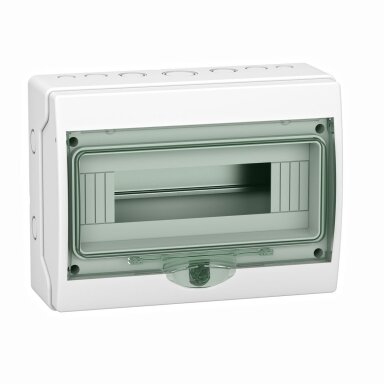
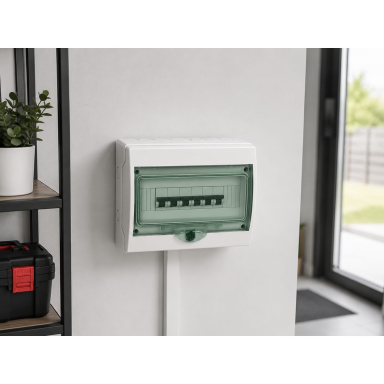 Price 30.92 € VAT incl.( 25.55 € VAT excl. )
Alternative products
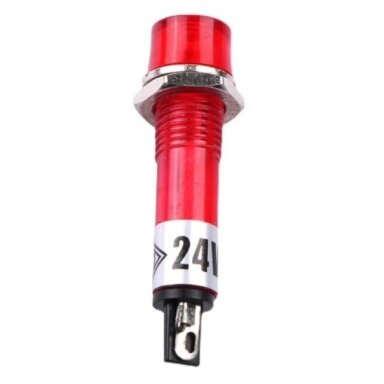 Signal | indicator lamp | red | 10mm | 12VCode: ES-XD10-3RPrice 1.21 € VAT incl.( 1.00 € VAT excl. )
 Round membrane grommet | for Ø50 mm hole | 36 cables Ø3.5–5.5 mm | grey | IP65 | HT Hi Tech Polymers | HT-50 (HTL-50-36)Code: Sandariklis HT-50Price 1.75 € VAT incl.( 1.45 € VAT excl. )
-
Product Catalog
-
Security and Surveillance Systems | accessories
- IP Surveillance Security Cameras
- Network accessories | equipment for reliable connection
- Video surveillance camera recording devices
- Data storage media | hard drives (HDD) | SD memory cards
- Low Voltage | Power Supply Accessories
- Motion | door | window contact | magnetic sensors | detectors security alarm components
- Keyboards | control panels for security system management
- Security alarm sirens
- Holders | mounting bases | brackets for surveillance cameras
- Solar panels and battery power supplies for surveillance cameras
- Manual camera control panels | video surveillance control
- Protection control system modules
-
Lighting solutions for industrial | commercial | residential | outdoor environments | accessories
- Commercial lighting
- Indoor Interior Lighting
- Lights for corridors | staircases | basement
- Outdoor luminaires | lighting solutions for home | yard | garden
- LED floodlights | street | park lights
- Lamps | for household | industrial lighting | accessories
- Inserts for ceiling light | LED modules with magnet
- LED flexible strips hermetic | non-hermetic | accessories
- Optical Fiber
- Emergency lighting
- Blue lamps | for drug prevention
- Motion | presence sensors | detectors
-
Automation and Control Systems
- Automation control accessories
- Control components for automation and control systems
- Signal converters | controllers for automation control | for control systems
- Touchscreens | panels for automation control | control systems
- Automatic Circuit Breakers for Direct Current (DC) Circuits with Integrated Overload, Short-Circuit, and Voltage Stabilization Protection Functions
- Automation and Electrical Control Components | Contactors | Relays | SSR | Accessories
- Automation control | Data transmission | Low current
- Industrial measurement | counting | detection systems for conveyors
- Panel heaters | protection for electrical equipment against moisture and cold
- Converters-transformers from single-phase to three-phase voltage
- Silicone strip heaters | electric heating solutions for industry
- Heating elements for liquids | water | oils | food heating
-
Smart Automated Products | Control | Transmission | Detection
- Smart Emergency Call System SOS
- Smart Office Management Solutions
- Mirror lighting – modern | smart | functional lighting and control solutions
- Automatic vacuum cleaner robots | smart solutions for daily home care
- NOUS smart | automated control
- WOOX Smart | Automated Control
- SONOFF Smart | Automated Control
- iNELS RF smart | automated control
- TUYA Smart | Automated Control
- IMOU smart | automated control
- Smart home hubs | accessories | for home automation
- Smart water valve controllers | water supply management
-
Electrical distribution and installation
- Reactive Power Compensation Devices
- Electrical power | power cables | wires with copper conductors
- Electrical Energy Supply | Distribution Panels | Boxes | Accessories
- Modular equipment installed in electrical distribution boxes | panels
- Smart electrical network analyzers
- Reliable power management | stabilization | control | uninterrupted supply
- Fuse holder blocks
- Fuse disconnectors
- Fuses
- Electrical installation components
- Electric current transformers
- For domestic | professional use Extension cords | power supply extensions
-
Solar Energy Generation and Management Equipment
- Solar Modules | Electricity Generation Equipment
- Inverters for Solar Energy Systems
- Batteries | solar energy storage units
- Mounting systems for solar power plants – stable and secure installation of solar panels on roofs or ground
- Solar Power Plant Balancing | Automation Control | Analysis | Monitoring
- Protective DC automatic circuit breakers for solar modules
- Fuses | fuse holders | disconnectors for solar systems
- Wires | cables | connectors for solar power plants – reliable connection between solar modules | inverters | batteries
- Solar tracking system accessories, controllers, bearings and motors
-
HVAC control solutions for heating and ventilation
- HVAC automation
- Fans for ventilation systems
- Ducts and connections for ventilation | air conditioning systems
- Deflectors | ventilation | ventilation systems
- Dampers for ducts | ventilation | air conditioning systems
- Duct Silencers | Ventilation | Ventilation Systems
- Air Filters for Ducts | Ventilation | Ventilation Systems
- Supply Air Ventilation Dampers
- Diffusers for Ventilation Systems
- Electric heating
- Mobile Air Conditioners | for Indoor Climate Control
- Domestic | industrial air purification systems
- Accessories for cars
- Workplace Safety | Electrical Safety Equipment | LOTO
-
Technical maintenance | service equipment | fire protection solutions
- Revision access doors
- Fire protection
- Passive lifting | unloading | transporting magnets
- Inflatable Liquid Storage Tanks | Reservoirs | Bladders
- Inflatable rubber plugs for sealing high-pressure plumbing pipes
- Rotary | rotating | moving high-pressure nozzles | for industrial cleaning | surfaces | coating treatment
- Ultrasonic micro mist spraying nozzles | dust suppression | humidification | cooling solutions for industry
- High-pressure washing hose reels
- Flood water barriers | protection systems for buildings and infrastructure
- Composite sewer manhole | technical access covers
-
Emergency safety | hygiene | sanitary solutions
- Mobile sanitary containers | container toilets | showers | washbasins | WC
- Emergency safety showers | body | face | eye wash systems | stationary | mobile | combined solutions
- Air showers for cleanrooms | micro-particles | contaminant removal from clothing surface
- Laboratory mixers | sinks | laboratory accessories | for chemistry, medicine, industry
-
Other products
- Operational service products
- Tempered glass
- Pneumatic components
- Thermal Imaging
- Audio Systems
- Educational books
- Insulating anti-vibration sound-absorbing protective materials
- Rubber granule tiles - pavers
- Cutting | grinding discs for working with stone and metal
- Universal drills for concrete | masonry
- Motors – precise | reliable | efficient motion control for various tasks
- Power line filters | protection against interference and voltage fluctuations
- Quality used products
-
Security and Surveillance Systems | accessories
- Current Affairs
-
Our services
-
- Automation panel assembly according to your request.
- Drone photography with thermal camera for tightness - thermographic inspections
- Tractor service, drilling, support dismantling... pile drilling for homes
- Rental of professional power network analyzers for accurate electrical parameter measurement and energy quality analysis
-
- Contacts
Products catalog
-
Product Catalog
-
Security and Surveillance Systems | accessories
-
IP Surveillance Security Cameras
- BULLET Security Cameras
- EZVIZ Security | Surveillance Cameras
- DOME Security | Surveillance Cameras
- PTZ security | video surveillance cameras
- CUBE security | video surveillance cameras
- PT security | Surveillance cameras
- TURRET security | video surveillance cameras
- Other protection | video surveillance cameras
- Silicone caps for surveillance cameras
- Network accessories | equipment for reliable connection
- Video surveillance camera recording devices
- Data storage media | hard drives (HDD) | SD memory cards
- Low Voltage | Power Supply Accessories
- Motion | door | window contact | magnetic sensors | detectors security alarm components
- Keyboards | control panels for security system management
- Security alarm sirens
- Holders | mounting bases | brackets for surveillance cameras
- Solar panels and battery power supplies for surveillance cameras
- Manual camera control panels | video surveillance control
- Protection control system modules
-
IP Surveillance Security Cameras
-
Lighting solutions for industrial | commercial | residential | outdoor environments | accessories
- Commercial lighting
- Indoor Interior Lighting
- Lights for corridors | staircases | basement
- Outdoor luminaires | lighting solutions for home | yard | garden
- LED floodlights | street | park lights
-
Lamps | for household | industrial lighting | accessories
-
Energy-saving LED bulbs
- LED bulbs E27 base
- LED bulbs E14 base
- GU10 LED bulbs
- LED bulbs GU5.3 (MR16) base
- LED T8 lamps (tubes)
- LED T5 lamps (tubes)
- LED bulbs G4 base
- LED bulbs G9 base
- LED bulbs R7s base
- LED bulbs | analogues to fluorescent-compact bulbs
- LED lamps G53 base
- Decorative / vintage LED bulbs with E27 base
- Decorative / Vintage LED bulbs E14 base
-
Industrial LED lamps | HQL analogs | NAV lamps
- Industrial LED lamps | alternatives to mercury vapor lamps (HQL) E27 base
- Industrial LED lamps | analogs for mercury vapor lamps (HQL) E40 base
- Industrial LED bulbs | alternatives to sodium vapor lamps (NAV) E27 base
- Industrial LED bulbs | Alternatives to sodium vapor lamps (NAV) E40 base
- Industrial UFO type LED lamps | analogs for high-intensity discharge (HID) lamps E40 socket
- Holders for industrial LED lamps
- Fluorescent lamps
- Incandescent bulbs E27 | E14 base
- Household filament type bulbs E14 | E27 base
- Halogen Bulbs R7s | G9 | G6.35 | G4 | E27 Base
- Special purpose lamps
- Accessories for light fixtures | adapters | sockets | holders
- Ballasts for fluorescent lamps T8 | T5 base
- Starters for fluorescent lamps
- Electronic lamp starters | ignitors | initiators
-
Energy-saving LED bulbs
- Inserts for ceiling light | LED modules with magnet
-
LED flexible strips hermetic | non-hermetic | accessories
- Waterproof flexible LED strips
- Non-waterproof flexible LED strips
- Control of Flexible LED Strips
- Profiles | Channels | Corners for LED Flexible Strips
- LED flexible strip connectors | contacts | plugs
- 5V DC Switching Power Supplies for LED Strips
- 12V DC Power Supply for LED Strips
- 24V DC power supplies for LED strips
- Sensors for LED strip
- LED modules
- Optical Fiber
- Emergency lighting
- Blue lamps | for drug prevention
- Motion | presence sensors | detectors
-
Automation and Control Systems
-
Automation control accessories
-
Time voltage deviation current level network control visualization relay
- Controllers for automation systems
- Logical controllers for automation systems
- Servo Controllers for Automation Systems
- Network adapters | industrial automation | communication systems
- Digital | analog input modules for automation controllers
- Digital | analog output modules for automation controllers
- Signal tower modules | accessories
- Power and time control relays for home automation with integrated SCHUKO sockets, designed for alternating and direct current protection and for household users.
- Boxes for signaling equipment | Signal lights
-
Cam switches | for devices on/off control
- Cam switches | changeover switches | for equipment control | 1-0-2
- Cam switches | changeover switches | for equipment control | 0-1
- Cam switches | changeover switches | for equipment control | 0-Y-Δ
- Cam switches | changeover switches | for equipment control | reversing | L-0-R
- Cam switches | changeover switches | for equipment control | 1-2
- Cam switches | changeover switches | for three-phase voltage measurement
- Cam switches | changeover switches | emergency | for equipment control
- Other cam switches | changeover switches | for equipment control | 1-2-3 | Uca -O-Uab-Ubc | Uc-O-Ua-Ud
- Plastic enclosures for cam switches
- Handles | levers for cam switches
- Electric motor control | protection management
- Soft starter devices for electric motors
- Energy meters
-
Time voltage deviation current level network control visualization relay
-
Control components for automation and control systems
-
Sensors | Detectors for automation | Control | Management systems
- Contactless bulk material level sensors
- End-position mechanical switches for automation control | control systems
- End-position micro switches for automation control | control systems
- Safety limit switches | industrial switches for equipment safety | for position control and automation
- Connection cables for sensors | detectors for control | automation systems
- Infrared safety barriers
- Contactless magnetic sensors for object detection in automation control | monitoring systems
- Non-contact inductive sensors for detecting metallic objects in automation control | monitoring systems
- Capacitive proximity sensors | for detection of metallic and non-metallic objects in automation control and monitoring systems
- Non-contact ultrasonic sensors for object detection in automation control | monitoring systems
- Non-contact photoelectric sensors for automation control | monitoring systems
- Optical sensors | detectors for automation devices
- Contactless color mark recognition sensors | color contrast detection in automation
- Camera sensors | detectors | brackets for control | automation systems
- Connectors | Sockets (female) | Plugs (male) for sensors | detectors for control | automation systems
- Mounting brackets for photoelectric sensors | control sensors | automation systems
- Rotary level sensors for bulk materials | rotating motion level switches | detectors for silos, hoppers, and tanks
- Vibrating level switches | sensors | detectors | for bulk materials and liquid level control
- Displacement | Linear Position Sensors for Automation
- Trolleys | Crane Control Panels | Hoist Control | Joystick
- Foot control pedals for industrial equipment management
- Audible signals 22/28mm for automation control | control systems
- Buttons for automation control | control systems
- Switches | Keys for automation devices control | control systems
- Additional accessories | components for buttons in automation control | control systems
- Switches ON-OFF with mechanical locking
-
Sensors | Detectors for automation | Control | Management systems
- Signal converters | controllers for automation control | for control systems
- Touchscreens | panels for automation control | control systems
- Automatic Circuit Breakers for Direct Current (DC) Circuits with Integrated Overload, Short-Circuit, and Voltage Stabilization Protection Functions
-
Automation and Electrical Control Components | Contactors | Relays | SSR | Accessories
- Mini contactors for electric motor control
- Contactors | Electrical starters | For equipment control
- Electronic solid-state (SSR) contactors
- Contactors with enclosure and control buttons | for electrical equipment control
- Electromechanical thermal relays | electrical equipment protection
- Control coils for contactors | starters | electrical equipment control
- Adapters-converters for relays and contactors
- Additional contacts | Accessories for contactors
- Modular impulse relays | lighting | electrical circuit control
- Industrial solid state relays | electrical load control
- Intermediate relays for automation | for PLC and electrical control panels
- Automation control | Data transmission | Low current
- Industrial measurement | counting | detection systems for conveyors
- Panel heaters | protection for electrical equipment against moisture and cold
- Converters-transformers from single-phase to three-phase voltage
- Silicone strip heaters | electric heating solutions for industry
- Heating elements for liquids | water | oils | food heating
- Heating elements | igniters | for stoves | boilers | heaters
- Insulation Monitoring & Power Supply Equipment for Medical IT Systems
-
Automation control accessories
-
Smart Automated Products | Control | Transmission | Detection
- Smart Emergency Call System SOS
-
Smart Office Management Solutions
-
Office security and access control | management systems
- Electromagnetic door locks | latches for ensuring access control and security of premises | Accessories
- Electromagnetic door holders for various types of doors | ensuring convenience and safety in premises
- Hydraulic door closers | with impact damping | for smooth and silent door closing
- Exit door opening buttons | for controlling various types of indoor doors
- Face scanning and recognition systems | for secure and efficient access control
- Biometric fingerprint scanners | designed for security and access management
- Card | QR Code | Electronic Key Readers | For Premises Security and Access Control
- Electronic entry cards | key fobs | keys | stickers | for secure and convenient access management
- Door Code Locks | For Security and Access Management of Premises
- Turnstiles | Efficient People Flow Management | Access Control
- Intercoms
- Gate control access management systems
- Access control systems for electronic locks
- Door control and interface controller connection solutions
- Electronic door locks and access controllers
- Canopies for intercoms | protection of access control equipment
- Smart Door Locks | Security and Access Control Solutions
-
Universal mobile | network routers
- Communication converters | Data transmission interfaces and network integration solutions
- Data transmission solutions over a 230V power network | routers
- Mobile routers | wireless data transmission solutions | 4G LTE | 3G | 2G
- Wireless communication | Long-range modems | Routers | Directional antennas | Network solutions
- Communication boosters for drones | wireless signal repeaters
-
Office security and access control | management systems
-
Mirror lighting – modern | smart | functional lighting and control solutions
- Magnifying mirrors with sandblasted edge for lighting
- Heating mats | defoggers heaters for mirrors
- Touch | contactless proximity switches mounted behind the mirror
- Digital information displays for mirrors
- Speakers | Resonance speakers for mirrors | furniture
- Smart mirror accessories and control solutions
- Automatic vacuum cleaner robots | smart solutions for daily home care
- NOUS smart | automated control
- WOOX Smart | Automated Control
-
SONOFF Smart | Automated Control
- Sonoff Smart Switches | Touch Switches
- SONOFF temperature | humidity sensors | controllers
- SONOFF smart home control panels
- SONOFF smart switches
- SONOFF smart motion sensors
- SONOFF smart energy meters
- SONOFF smart Schuko sockets
- SONOFF smart home hubs
- SONOFF smart lighting control
- SONOFF smart flexible LED strips
- SONOFF smart door and window sensors
- SONOFF other smart control solutions | accessories
- SONOFF other products | accessories
- iNELS RF smart | automated control
- TUYA Smart | Automated Control
- IMOU smart | automated control
- Smart home hubs | accessories | for home automation
- Smart water valve controllers | water supply management
- Smart electrical sockets | energy management
- Wireless automation modules | for smart system control
- Smart Automated Gate Control
- Farm automation | livestock equipment
-
Electrical distribution and installation
- Reactive Power Compensation Devices
-
Electrical power | power cables | wires with copper conductors
- Copper power supply cables CYKY-L
- Copper power supply cables KH05VV-U (NYM-J)
- Copper power supply cables BVV-LL
- Copper power supply cables H03VVF, H05VV-F
- Copper power supply cables halogen-free NHXMH-J
- Copper power supply cables BVV-PLL
- Copper power supply cables BVV-P
- Copper power supply cables BVV-F, BVV-PL
- Copper power supply cables halogen-free BZ1Z1-P
- Copper power supply wires H05V2-K, H07V2-K
- Copper power supply wires H05V-K
- Copper power supply wires H07V-R, H07V2-R
- Copper power supply wires H07V-K
- Copper power supply wires H05V-U, H07V-U, H05V2-U, H07V2-U
- Halogen-free copper power supply cables H07Z1-K
- Aluminum power supply cables
- Computer power supply cables
- Special purpose power supply cables
- Copper | vintage | retro style braided cables
- Power transmission busbar
- Power supply cables / Leftovers
-
Accessories for power supply cables
- Wire trays | channels for power supply cables | wires
- Cable trays | channels for power supply cables | wires
- Lighting cable trays | channels for power supply cables | cable management
- Profiles for electrical supply cables | wire laying | metallic
- Cable ladders for power supply cables | wires
- Accessories for metal power supply cable | wire channels | trays
- Cable laying | fixing | installation structures
- Installation cable trays | channels for electrical cables | wires | plastic
- Electrical cable | wire identification markers | marking tools
- Surface-mounted sealed | unsealed installation distribution boxes for electrical cables | wires
- Connectors and sleeves for cables
- Thermally shrinking insulating gloves | hermetically seal electrical wires | cables
- Heat shrink tubing | insulating electrical wires | cables
- Electrical insulating tapes | for electrical wires | cables
- Spiral strips | for concealing electrical wires | cables
- Gel sleeves | for electrical wires | cables
- Gels | lubricants for wire | cable pulling
- Insulating gels for protecting electrical wires | cable connections | contacts from humidity
- Warning hazard | caution marking tapes
- Dielectric insulating sheaths for the protection of electrical cables | wires
- Connectors | plugs | sockets for electrical cables | wires | hermetic
- Electrical cable | wire mechanical protection devices
- Hermetic cable and corrugated conduit entries into electrical distribution boards and enclosures | sealed cable entry solutions
-
Electrical Energy Supply | Distribution Panels | Boxes | Accessories
- Single-phase | three-phase electricity metering boxes
- Electrical energy distribution | metering boxes for apartments
-
Surface-mounted electrical power panels | boxes
- Metal | steel surface-mounted electrical distribution boxes | enclosures
- Plastic overhead electrical distribution panels | boxes
- Steel | stainless steel surface-mounted electrical panels | boxes
- Plastic surface-mounted electrical enclosures | boxes
- Metal overhead electrical distribution boxes | panels
- Aluminum surface-mounted | hermetic electrical distribution cabinets | boxes | IP67
- Flush-mounted electrical distribution panels | boxes
- Transparent protective covers for electrical distribution panels | boxes
- Special electrical panels for garages | panels designed for commercial premises
- Portable electrical distribution | panels | enclosures | boxes
- Power disconnectors | emergency stop handles | accessories
- Sealing products | seals for electrical wires | cables | panels | boxes
-
Terminals | connections for electrical cables | distribution | connection
- Power distribution terminals for electrical wires | cables
- WAGO terminal blocks for electrical wire | cable connections
- Connectors for electrical wires | cable connections
- Installation terminals for connecting electrical wires | cables of fixtures
- Grounding terminals for connecting electrical wires | cables
- Branching terminals for electrical wires | cable connections
- Rear covers for spring assemblies
- Busbar grounding and protection systems
- Soldering components | connection solutions
- Screen terminals for connecting electrical cables | wires
- Accessories for terminals | electrical contacts
- Spring terminal blocks | electrical connections | on DIN rail
- Spring lever terminal blocks for electrical wire | cable connections
- Terminals for connecting electrical wires | cables | mounted on a DIN rail
- DIN rails for mounting modular equipment in the electrical distribution panel
- Switch cabinets | network | telecommunications | server equipment
- Cable transit cabinets | for cable distribution
- Universal cross electrician keys
- Locks | keys | for electrical distribution panels | boxes
- Wire | cable entry strain reliefs in enclosure | cavity
-
Modular equipment installed in electrical distribution boxes | panels
-
Circuit breakers | installed in electrical distribution boxes | panels
- Schneider Electric circuit breakers | installed in electrical distribution boxes | panels
- Industrial circuit breakers
- "Vecas" circuit breakers | for installation in electrical distribution cabinets | boxes
- "Promfactor Baltic" circuit breakers | installed in electrical distribution boxes | panels
- "Noark" circuit breakers | installed in electrical distribution boxes | panels
- "SIEMENS" automatic circuit breakers | installed in electrical boxes
- "Hager" automatic circuit breakers | installed in electrical distribution boxes | panels
- "Legrand" automatic circuit breakers | installed in electrical distribution boxes | panels
- "IEK" automatic circuit breakers | installed in electrical distribution boxes | panels
- "Merlin Gerin" automatic circuit breakers | installed in electrical distribution boxes | panels
- "Eaton" automatic circuit breakers | installed in electrical distribution boxes | panels
- Accessories for circuit breakers
- Power contactors | installed in electrical distribution boxes | panels
-
Modular leakage relays | installed in electrical distribution boxes | panels
- "Promfactor Baltic" leakage relays | mounted in electrical distribution boxes | panels
- "Legrand" leakage relays | mounted in electrical distribution boxes | panels
- "Schneider Electric" leakage relays | installed in electrical distribution boxes | panels
- "Eaton" leakage relays | mounted in electrical distribution boxes | panels
- "Vecas" residual current relays | for installation in electrical distribution boxes | cabinets
- Voltage relays modular | mounted in electrical distribution boxes | panels
- Current relays modular | installed in electrical distribution boxes | panels
- Power limiters modular | installed in electrical distribution boxes | panels
- Phase switch modular | mounted in electrical distribution boxes | panels
- Temperature controllers | modular thermostats | designed for mounting in electrical distribution boxes | panels
- Modular time relays | installed in electrical distribution boxes | panels
- Modular | panel | digital ammeters | voltmeters | for installation in electrical distribution boxes | cabinets
- Photo relays | twilight switches | mounted in electrical distribution boxes | panels
- Measurement monitoring electric energy monitoring equipment
- Modular control | signaling equipment | switches | indicator lamps | audible signals
- Automatic aerosol fire extinguishing systems for electrical cabinets and server rooms
- Modular liquid level control relays | for installation in electrical distribution boxes | switchboards
- Interface relays | modular for signal amplification and load control | for installation in electrical distribution boxes | panels
- Modular staircase lighting relays | for installation in electrical distribution boxes | panels
- Phase monitoring | sequence | protection relays, modular | for installation in electrical distribution boxes | panels
-
Circuit breakers | installed in electrical distribution boxes | panels
- Smart electrical network analyzers
- Reliable power management | stabilization | control | uninterrupted supply
- Fuse holder blocks
- Fuse disconnectors
- Fuses
-
Electrical installation components
-
Socket outlet blocks for installation in furniture | on surfaces
- Surface-mounted socket towers | power outlet towers
- Socket outlet blocks | desktop mounted socket blocks
- Socket outlet blocks | receptacle blocks built into furniture
- Plug sockets | connectors | wireless charging stations integrated into furniture
- Socket towers | power outlets integrated into furniture
- Socket outlet blocks | receptacle blocks for panel mounting
- Socket blocks with LED lighting
- Modular socket outlets | socket blocks | boxes for furniture installation
- Modular socket towers | surface-mounted socket outlets
- Modular socket towers | power outlets integrated into furniture
- Modular socket outlets | socket blocks | boxes for installation in cabinets
- Built-in modular connectors | for electrical socket systems
- Accessories for built-in furniture sockets
- Sedna Recessed Electrical Installation by Schneider Electric
- Recessed electrical installation
- Hermetic flush-mounted electrical installation IP55
-
Hermetic surface-mounted electrical installation IP44 | IP54 | IP66
- Hermetic surface-mounted installation | 1-gang sockets | switches | accessories
- Hermetic surface-mounted installation | 2-gang sockets | switches | accessories
- Hermetic surface-mounted electrical installation | 3-gang sockets | switches | accessories
- Hermetic surface-mounted installation | 4-gang sockets | switches | accessories
- Surface-mounted electrical installation
- Electrical installation "Vilma"
-
Vintage | Retro Style Electrical Installation Components
- Distribution boxes | surface-mounted | ceramic | retro style
- Plug sockets | surface-mounted | ceramic | retro style
- Plug sockets | flush-mounted | ceramic | retro style
- Switches | surface-mounted | ceramic | retro style
- Switches | flush-mounted | ceramic | retro style
- RJ11 | RJ45 | DATA plug sockets | surface-mounted | flush-mounted | ceramic | retro style
- Surface-mounted socket outlets | plastic | retro style
- Socket outlets | RJ45 | USB-A | USB-C | flush-mounted | plastic | retro style
- Switches | intermediate switches | two-way switches | surface-mounted | plastic | retro style
- Switches | intermediate | blind | doorbell push buttons | flush-mounted | plastic | retro style
- Frames for surface-mounted electrical installation components | ceramic | retro style
- Frames for flush-mounted electrical installation components | ceramic | retro style
- Frames for Surface-Mounted Electrical Installation Components | Plastic | Retro Style
- Frames for flush-mounted electrical installation components | plastic | retro style
- Frames for flush-mounted electrical installation components | wooden | retro style
- Insulators for braided wires | ceramic | metal | retro style
- Distribution mounting boxes are designed to be installed in drywall | masonry
- Boxes mounted in the floor | for socket installation
- Installation electrical boxes for drywall | masonry
-
Socket outlet blocks for installation in furniture | on surfaces
-
Electric current transformers
- Rogowski Coil Integrators
- Split-core current transformers CT | current measurement solutions
- Digital multimeters with CT current transformers | current measurement solutions
- Flexible "Rogowski" coils | current measurement solutions
- Rigid | non-flexible "Rogowski" coils | rings | current measurement solutions
- For domestic | professional use Extension cords | power supply extensions
-
Industrial | domestic socket outlets | plugs | adapters for electricity supply
- Household single-phase plugs | industrial single-phase | three-phase for electricity supply
- Plug sockets for household single-phase | industrial single-phase | three-phase electrical power supply
- Adapters (transitions) for household | industrial power supply
- Sockets mounted on a DIN rail | for power supply
- High Voltage Equipment | Components 6kV | 10kV | 12kV | 20kV
-
Underground Power Transmission | Overhead Power Lines
- 0.4kV Overhead Line Metal Structures for Uninsulated Wires
- 10kV Overhead Line Metal Structures with Non-Insulated Conductors
- Metal structures for 0.4kV overhead lines with insulated wires
- Clamps for air line cables | cables | equipment mounting
- Guy wires | Crossarm braces | Stork nest platforms
- Cable supports for overhead lines
- Air line terminals
- Air line crossbars for SZ circuit breakers
- Airline covers | Wire frames | Cable mounting
- Airline metal structures | traverses | tops
- Insulators for Electrical Power Airline Lines
- Overhead power cables | wires for electricity supply
- Bird Protection for Electrical Equipment
- Preformed helical anchor clamps for overhead lines
- Eye nuts for overhead power lines and energy infrastructure fastening assemblies
- Reinforced concrete poles for overhead power lines and infrastructure networks
-
Surge Protection and Lightning Protection
- Active lightning rods | Lightning strike protection
- Passive Franklin-type lightning rods | lightning strike protection
- Surge Arresters | Electrical Equipment Protection from Lightning Strikes
-
Lightning protection | grounding system components | rods | connectors | fastening | installation accessories
- Potential equalization busbars | terminals | for grounding systems
- Digital | mechanical lightning discharge counters
- Galvanized steel strips for grounding
- Galvanized steel | aluminum wires for grounding
- Hot-dip galvanized poles for lightning rod mounting
- Grounding rods | galvanized | copper-coated | with lead filling for lightning protection system
- Concrete bases for lightning rod installation | accessories
- Driving heads | chisels for grounding rods
- Grounding wire holders | PVC | stainless steel | accessories
- Anti-corrosion connection tapes | pastes for lightning protection systems
- Tips for grounding rods | lightning protection systems
- Galvanized connectors for fastening wire to mast | lightning protection systems
- Cross connections | for grounding | lightning protection systems
- Lightning rods | mast mounting | installation accessories
- Coupling sleeves for grounding rods
- Thermal welding
-
Solar Energy Generation and Management Equipment
- Solar Modules | Electricity Generation Equipment
-
Inverters for Solar Energy Systems
- Single-phase solar inverters | efficient electricity management
- Three-phase solar inverters | efficient electricity management
- Hybrid three-phase solar inverters | efficient electricity management
- Solar power controllers | reliable power plant control
- Combined hybrid solar inverters with battery | UPS function
- Batteries | solar energy storage units
- Mounting systems for solar power plants – stable and secure installation of solar panels on roofs or ground
-
Solar Power Plant Balancing | Automation Control | Analysis | Monitoring
- Backup automatic | manual power transfer switches for generators | uninterrupted power supply
- Solar electricity energy meters
- Surge protectors for solar | photovoltaic systems
- Solar power plant circuit breakers | reliable protection and control for solar energy systems
- Solar inverter accessories | adapters
- Voltage control relays for solar power plants
- Solar module optimizers | maximum solar power plant output and efficiency
- Protective DC automatic circuit breakers for solar modules
- Fuses | fuse holders | disconnectors for solar systems
- Wires | cables | connectors for solar power plants – reliable connection between solar modules | inverters | batteries
- Solar tracking system accessories, controllers, bearings and motors
-
HVAC control solutions for heating and ventilation
-
HVAC automation
-
Sensors and detectors
- Temperature sensors and thermostats
- Fluid flow | temperature meters | sensors
- Household | Industrial temperature maintenance thermostats
- Humidity sensors
- Air quality meters | CO2 | VOC sensors
- Differential pressure relays and transducers
- Liquid level sensors | Monitoring systems
- Non-contact infrared (IR) surface temperature sensors
- Digital gas flow meters
- Temperature and humidity sensors | environmental parameter measurement solutions
- Anemometers | wind speed | air flow measuring devices
- Electric motors
-
Frequency inverters for motor speed regulation
- Optidrive frequency inverters for motor speed control
- Siemens frequency inverters | efficient motor control | process automation
- Schneider Electric frequency inverters | efficient motor control | process automation
- EURA Drives frequency inverters | efficient motor control | process automation
- Frequency inverters
- Air damper drives
- Speed regulators for fans
- Motorized actuators for air dampers | ventilation (HVAC) systems | air ducts
-
Sensors and detectors
-
Fans for ventilation systems
- Industrial Fans for Ventilation Systems
- Centrifugal Roof Fans | Ventilation | Ventilation Systems
- Domestic fans for ventilation systems
-
Protective ventilation grilles for ventilation systems
- Round protective ventilation grilles for ventilation systems
- Wall-mounted | external protective ventilation openings for ventilation systems
- Furniture ventilation grilles for ventilation systems
- Square protective ventilation grilles | Galvanized steel
- Square protective ventilation grilles for ventilation systems | plastic
- Fan shutdown timers for ventilation systems
- Accessories for fans | ventilation systems | decorative panels
-
Ducts and connections for ventilation | air conditioning systems
-
Ducts for ventilation | ventilation systems
- Sealing tapes for duct systems
- Rigid ducts for ventilation | air conditioning systems | plastic
- Flexible ducts for ventilation systems | aluminum
- Flexible ducts for ventilation | vent systems | stainless steel
- Flexible ducts for ventilation systems | metal
- Flexible ducts for ventilation | ventilation systems | PVC film
- Rigid ducts for ventilation | air conditioning systems | galvanized steel
- Square | rectangular | rigid ducts | for ventilation systems | plastic
-
Square | rectangular ducts | ventilation | ventilation systems | plasticSquare | rectangular ducts | ventilation | ventilation systems | plastic
- Holders for square ducts | ventilation systems | plastic
- Connections for square ducts | ventilation | ventilation systems | elbows 3°-49° | plastic
- Connectors for square ducts | ventilation | ventilation systems | 90° elbows | plastic
- Connections for square ducts | ventilation | ventilation systems | fittings | plastic
- Connections for square ducts | ventilation | ventilation systems | T-shaped | branch fittings | plastic
- Connections for square ducts | ventilation systems | sleeves with a backdraft damper | plastic
- Wall connectors for square ducts | ventilation systems | adapters | plastic
- Ducts | Ventilation | Ventilation Systems | Metal
-
Ducts | ventilation | ventilation systems | plastic
- Connections for ducts | Ventilation systems | 45° elbows | Plastic
- Duct connections | ventilation systems | 90° elbows | plastic
- Connections for ducts | Ventilation systems | Couplings | Plastic
- Connectors for ducts | ventilation systems | transitions | adapters | plastic
- Connectors for ducts | ventilation systems | T-shaped | three-way | plastic
- Duct connections | ventilation systems | flanges | plastic
- Duct connections | ventilation systems | condensate collector | plastic.
- Connections for ducts | ventilation systems | flexible connectors with backflow valve | plastic
- Wall connectors for ducts | ventilation systems | adapters | plastic
- Holders for ducts | ventilation systems | plastic
-
Ducts | ventilation | ventilation systems | galvanized steel
- Duct fittings | ventilation systems | 45° elbows | galvanized steel
- Connections for ducts | Ventilation systems | 90° elbows | Galvanized steel
- Duct ventilation hoods | chimneys | for ventilation systems | galvanized steel
- Connectors for ducts | ventilation systems | T-shaped | tees | galvanized steel
- Connectors for ducts | ventilation systems | transitions | adapters | galvanized steel
- Connections for ducts | ventilation systems | sleeves | galvanized steel
- Flexible connectors for ducts | ventilation systems | sleeves | galvanized steel
- Connectors for ducts | ventilation systems | connectors with back-draught shutter | galvanized steel
- Holders for ducts | ventilation systems | galvanized steel
- Connectors for ducts | ventilation systems | branches | galvanized steel
- End caps for ducts | ventilation systems | galvanized steel
- Transitions | adapters for square and round ducts | ventilation | ventilation systems | plastic
-
Ducts for ventilation | ventilation systems
- Deflectors | ventilation | ventilation systems
- Dampers for ducts | ventilation | air conditioning systems
- Duct Silencers | Ventilation | Ventilation Systems
- Air Filters for Ducts | Ventilation | Ventilation Systems
- Supply Air Ventilation Dampers
- Diffusers for Ventilation Systems
-
Electric heating
-
Electric heating
- Infrared heaters
- Infrared heaters | heating panels
- Electric wall-mounted | free-standing heaters | radiators — reliable electric heating
- Other heaters
- Underfloor heating thermostats | mats
- Industrial electric fan heaters
- Self-regulating | heating power supply cables
- Electric hot air curtains
- Electric footwear / shoe dryers | ADAX ST3D
- Radiant heaters | ADAX | Glamox Heating GVR5/VR5
- Electric heating regulators
- Grilles for radiators | for duct finishing
- Accessories for heating systems
-
Electric heating
- Mobile Air Conditioners | for Indoor Climate Control
- Domestic | industrial air purification systems
- Aromatic diffusers | essential oil diffusers for homes | offices | industrial premises
- Domestic | industrial dehumidifiers | moisture collectors | humidity control solutions
-
HVAC automation
- Accessories for cars
-
Workplace Safety | Electrical Safety Equipment | LOTO
- Personal protective equipment for work
- Dielectric tools
-
Safety tools
- Dielectric Screwdrivers
- Insulated pliers for electricians
- Insulated cable | wire knives | professional safe tools for electricians
- Crimping presses - pliers
- Cable cutting scissors | pliers
- Cable stripping knives | pliers
- Hydraulic hole punchers | hole punching tools | for electrical panels | professional tools for cable entries | for automation and distribution cabinets
- Safe transport boxes
- Safety relays
- LOTO Lockout Devices | Safety Padlocks | Lockout Hasps
-
Technical maintenance | service equipment | fire protection solutions
-
Revision access doors
- Plastic revision access doors
- Revision access door - basement inspection aluminum hatch for floors
- Aluminum profile inspection doors-hatches with drywall panel
- Aluminum revision access doors with chain
- Steel revision access doors
- Steel revision access doors - hatches with a lock
- Roof access hatch-doors with gas struts | Aluminium
- Access panels with a window | for access to technical cavities
- Fire protection
- Passive lifting | unloading | transporting magnets
- Inflatable Liquid Storage Tanks | Reservoirs | Bladders
- Inflatable rubber plugs for sealing high-pressure plumbing pipes
- Rotary | rotating | moving high-pressure nozzles | for industrial cleaning | surfaces | coating treatment
- Ultrasonic micro mist spraying nozzles | dust suppression | humidification | cooling solutions for industry
- High-pressure washing hose reels
- Flood water barriers | protection systems for buildings and infrastructure
- Composite sewer manhole | technical access covers
-
Revision access doors
-
Emergency safety | hygiene | sanitary solutions
- Mobile sanitary containers | container toilets | showers | washbasins | WC
- Emergency safety showers | body | face | eye wash systems | stationary | mobile | combined solutions
- Air showers for cleanrooms | micro-particles | contaminant removal from clothing surface
- Laboratory mixers | sinks | laboratory accessories | for chemistry, medicine, industry
-
Other products
-
Operational service products
- Measuring equipment
- Marking | Safety Signs
-
Cable ties | cable holders | mounting accessories
- Holders for cables and wires
- Accessories for cable ties
- Mounting straps installed on the surface
- Double cable ties
- Double locking cable ties
- Mounting straps with locking base | surface-mounted
- Universal fastening straps
- Cable ties with push-in mounting holder
- Cable ties with stainless steel locking tab
- Work lights
- Portable Battery-Powered Flashlights
- Galvanic cells batteries
- Storage boxes and containers
- Inspection and observation mirrors | professional solutions for visual inspection | safety | diagnostics
- Spherical safety mirrors | for blind spot monitoring and traffic safety
- Tempered glass
- Pneumatic components
- Thermal Imaging
- Audio Systems
- Educational books
- Insulating anti-vibration sound-absorbing protective materials
- Rubber granule tiles - pavers
- Cutting | grinding discs for working with stone and metal
- Universal drills for concrete | masonry
- Motors – precise | reliable | efficient motion control for various tasks
- Power line filters | protection against interference and voltage fluctuations
- Compact electronics cooling | ventilation fans | accessories
- Industrial multipole connectors | housings | accessories
- Decorative & Acoustic Wall and Ceiling Panels | Slat Panels | Interior Finishes
- Acoustic | Sound-Absorbing Foam Panels for Echo Reduction
-
Operational service products
- Quality used products
-
Security and Surveillance Systems | accessories
- Current Affairs
-
Our services
- Automation panel assembly according to your request.
- Drone photography with thermal camera for tightness - thermographic inspections
- Tractor service, drilling, support dismantling... pile drilling for homes
- Rental of professional power network analyzers for accurate electrical parameter measurement and energy quality analysis
- Contacts

To get free delivery spend additional
2000.00 € VAT incl.
We will deliver for free!
Up to the minimum order amount left
8.00 € VAT incl.


UAB Elektrotechnikos sprendimai
Elektrotechnikos sprendimai, UAB. Company code: 305053561 VAT number: LT100012235811. J. Basanavičiaus g. 23, LT-76233, Šiauliai, Šiaulių m. sav., LITHUANIA. Phone: +37065801033.
© 2026 Elektrotechnikos sprendimai, UAB. Without Elektrotechnikos sprendimai, UAB confirmation any use or copying of site content is prohibited.
Automatic Aerosol Fire Suppression Device | 15 g | 0.15 m³ | 170 °C Activation | DIN | A/B/C/E | ES-QRR0.015G/S-CFLC
Add to cart -