


Acoustic | Sound-Absorbing Foam Panels for Echo Reduction
-
Sound-absorbing polyurethane foam acoustic panels for walls and ceilings
Polyurethane acoustic foam panels are designed to reduce echo, reverberation and unwanted sound reflections inside rooms. The open-cell foam structure absorbs part of the sound energy, while the profiled surface increases the active material area and helps scatter sound waves reflected from walls and ceilings.
This product group may include acoustic panels of various dimensions, thicknesses, densities, colours and surface profiles: striped, pyramidal, conical, wave-shaped, trapezoidal, egg-crate, wedge-shaped or other geometric forms. They are used in home studios, offices, broadcasting rooms, gaming rooms, rehearsal spaces, technical rooms and other indoor areas.
Important information about the intended use:
Acoustic foam panels are primarily intended to improve the internal acoustics of a room — to reduce echo, reverberation and some sound reflections. On their own, they do not provide complete sound insulation between adjacent rooms and do not replace a massive, airtight and multilayer sound-insulating wall, ceiling or floor structure.Important information about flammability:
Individual panel descriptions may state that the material is flame-retardant, self-extinguishing or slower-burning. However, such descriptions alone do not confirm a specific reaction-to-fire class. If the panels are used in a public, commercial or project-based installation, the flammability class, test standard and certification documents for the specific product must be checked.Key point:
Choose a polyurethane acoustic foam panel when you need to reduce echo caused by hard walls and ceilings, improve speech or recording clarity and create a lightweight modular acoustic surface. The appropriate panel thickness, profile, coverage area and mounting location should be selected according to the specific acoustic problem in the room.Material
Polyurethane acoustic foamPurpose
Reduction of echo and reflectionsSurface
Smooth or profiledInstallation
On walls or ceilingsUse
In dry indoor roomsFormat
Modular cut-to-size panelsWhat are polyurethane acoustic foam panels?
Acoustic foam panels are lightweight, porous and sound-absorbing interior finishing elements. Their open-cell structure allows sound waves to enter the material, where part of the sound energy is converted into a very small amount of heat through friction and air movement within the pores.
The panels are usually mounted on hard walls or ceilings from which sound waves are strongly reflected. They can help reduce the echo of an “empty room”, improve speech clarity and reduce early sound reflections captured by a microphone.
Acoustic foam can be manufactured in various shapes and thicknesses. Thinner panels are more often effective at higher frequencies, while thicker material may be more effective over a broader frequency range. The exact result depends on foam density, cell structure, profile, mounting method and the test results of the specific product.
Sound absorption and sound insulation are not the same:
Sound absorption reduces sound energy reflected from surfaces inside a room. Sound insulation reduces sound transmission through walls, ceilings, floors, doors and other structural elements. Acoustic foam primarily performs a sound-absorption function, not structural sound insulation.Acoustic operating principle
- Sound absorption — part of the sound energy enters the open cells of the foam and is attenuated inside the material.
- Reflection reduction — the energy of sound waves returning directly from a hard surface is reduced.
- Sound scattering — the relief surface creates different sound-reflection angles.
- Reverberation reduction — sound in the room can decay more quickly and become less echoing.
- Improved speech clarity — by reducing some early reflections, speech and recordings may sound clearer.
The actual effect depends not only on a single panel, but also on the total covered area, panel arrangement, room volume, furniture, wall materials, ceiling height, sound source and the position of the listener or microphone.
Main surface profiles
Profile type Properties and use Parallel-rib profile A rhythmic geometric surface that can be installed in one direction or with alternating module orientation. Pyramid profile A large profiled surface area and a distinctive studio-style design. Wedge profile Parallel raised ribs that help scatter reflections in different directions. Wave profile A softer decorative surface for walls and ceilings. Egg-crate profile An economical profile shape with many recesses and raised areas. Smooth surface A minimalist solution where an even, unprofiled acoustic surface is important. Corner bass absorbers Thicker elements installed in room corners when additional control of some lower-frequency resonances is required. Profile selection:
Different geometric shapes may change the panel surface area, thickness distribution and sound scattering. However, the acoustic performance of a panel cannot be determined accurately from its shape alone. For an exact comparison, NRC, αw or frequency-dependent absorption test data for the specific product are required.How does panel thickness affect sound absorption?
Panel thickness is one of the most important parameters of an acoustic material. Thicker open-cell material generally allows the sound wave to penetrate deeper and may operate over a broader frequency range than very thin foam.
Panel thickness Indicative application 20–30 mm For decorative compositions and reducing some higher-frequency reflections. 40–50 mm A common choice for home studios, offices, broadcasting rooms and gaming rooms. 70–100 mm and more When a thicker layer of absorbing material and broader acoustic effect are required according to the data for the specific product. Important:
Thickness is not the only criterion. The acoustic result is also affected by foam density, cell structure, profile depth, the air gap behind the panel, installation area and the panel location in the room.Installation with an air gap
An acoustic panel can be glued directly to the wall or installed on a separate backing with an air gap. The air gap between the panel and the hard surface may increase the overall absorption effect in part of the frequency range, because sound waves interact not only with the foam material but also with the cavity between the panel and the wall.
However, the specific air-gap size and its effectiveness must be assessed according to panel thickness, room geometry and the acoustic design.
Technical properties
Product group Sound-absorbing acoustic foam panels Main purpose Reduction of echo, reverberation and some sound reflections Material Open-cell polyurethane foam or another acoustic foam specified in the documentation for the particular product Available surfaces Striped, pyramidal, wave-shaped, wedge-shaped, smooth and others Available thicknesses Depend on the model, usually ranging from thin decorative panels to 50 mm or thicker acoustic elements Available dimensions Depend on the model; modular square, rectangular or corner panels Available colours Black, grey, coloured or another colour depending on the specific model Mounting location Walls, ceilings, corners or separate acoustic surfaces Mounting method Adhesive suitable for foam, mechanical fastening or a separate mounting substrate Operating environment Usually dry indoor rooms Sound-absorption ratings To be checked using the NRC, αw or frequency-dependent absorption data of the specific product Flammability properties To be checked using the test and certification documents of the specific product Where are acoustic foam panels used?
- In home recording studios — to reduce reflections in voice, music and instrument recordings.
- In broadcasting and video-recording rooms — to soften echo captured by the microphone.
- In gaming and streaming rooms — to improve voice-recording clarity.
- In offices — to reduce echo, background noise and speech reflections.
- In meeting and conference rooms — to improve speech intelligibility.
- In home cinema rooms — to control early wall reflections.
- In rehearsal rooms — to absorb part of the sound energy.
- In music-listening areas — to reduce reflections from hard surfaces.
- In technical rooms — to attenuate some reflections of sound produced by equipment.
- In creative and educational spaces — to improve overall acoustic comfort.
How to choose suitable acoustic panels?
- Identify the problem — whether the aim is to reduce echo, improve a recording, increase speech clarity or control specific reflections.
- Assess the room size — a larger and emptier room generally requires a larger coverage area.
- Choose the thickness — thicker material usually works over a broader frequency range.
- Choose the profile — according to the desired design, surface area and acoustic data for the specific product.
- Check the density and material — if these are specified in the documentation for the particular product.
- Check the sound-absorption ratings — NRC, αw or frequency-dependent absorption when a predictable result is required.
- Assess the flammability class — especially in public, commercial and project-based installations.
- Choose the mounting method — bonding, mechanical fastening or installation with an air gap.
- Calculate the quantity — according to the area of one panel and the surface to be covered.
- Allow for extra material — for cutting, corners and installation losses.
How much of the wall should be covered?
The acoustic result depends on the total area covered with sound-absorbing material. One or several small panels may have only a local and limited effect. To achieve a more noticeable reduction in echo, a strategically selected part of the walls or ceiling generally needs to be covered.
The panels do not necessarily have to cover the entire room. It is often more effective to install them at first-reflection points, behind or in front of the sound source, on side walls, on the ceiling above the work area or on other highly reflective surfaces.
A simple practical principle:
If the room has many hard and smooth surfaces, little furniture, high ceilings and a clearly audible echo, a larger area of acoustic panels will generally be required than in a room furnished with upholstered furniture, curtains and carpets.Calculating the required quantity
First calculate the area of one panel and the total wall or ceiling area to be covered.
Calculation formula:
Area of one panel = length × width
Number of panels = area to be covered / area of one panelFor example, a 300×300 mm panel has an area of 0.09 m². Theoretically, approximately 11.1 such panels would be required for one square metre, so in practice 12 panels are calculated, excluding cutting and installation losses.
Recommendation:
It is advisable to add approximately 5–10% extra to the calculated quantity. More allowance may be needed for complex compositions, corners or profiles installed in alternating directions.Panel placement in the room
- Behind the microphone or speaker — to reduce reflections returning from the rear wall.
- Opposite the sound source — to attenuate sound waves returning from the front wall.
- On the side walls — at the first side-reflection points.
- On the ceiling — above the work, listening, recording or conversation area.
- In the corners of the room — using thicker corner absorbers.
- In several separate zones — for a more even distribution of sound absorption.
Common mistake:
All panels are installed in one small area of a wall even though strong reflections also occur in other parts of the room. It is often better to distribute the same number of panels across several strategically important locations.Mounting methods
Adhesive installation
- use adhesive suitable for acoustic or polyurethane foam;
- the surface must be dry, clean and stable;
- the adhesive must not dissolve or harden the foam;
- suitable for permanent panel installation;
- removal may damage the foam or wall finish.
Mechanical fastening
- pins, staples or another suitable system may be used;
- suitable for wooden or soft mounting substrates;
- the panels can be removed and repositioned more easily;
- fasteners must not tear the foam;
- especially secure fastening is required for ceilings.
Installation on a backing panel
- the panels are first attached to a separate board;
- the complete module can be hung on the wall;
- the panel position can be changed more easily;
- an air gap can be left between the panel and the wall;
- suitable for rented or temporary premises.
Adhesive compatibility:
Do not use solvent-based adhesives unless the manufacturer clearly states that they are suitable for polyurethane foam. Unsuitable adhesive may dissolve, deform, harden or discolour the foam.General installation instructions
- Assess the room acoustics. Identify the main hard and sound-reflecting surfaces.
- Select the mounting zones. Plan the first-reflection points and the relevant wall and ceiling areas.
- Calculate the number of panels. Determine the area of one panel and include an allowance.
- Allow the panels to regain their shape. If the products were compressed during transport, wait after unpacking until the foam expands and straightens.
- Prepare the substrate. The wall or ceiling must be dry, clean, stable and free from flaking layers.
- Plan the pattern. Decide whether the profiles will run in one direction or alternate.
- Mark the first line. Use a spirit level or laser level.
- Select the fastening materials. Check whether the adhesive or mechanical fasteners are suitable for both the foam and the substrate.
- Attach the panels without stretching them. Keep the edges straight and the profile direction consistent.
- Cut if necessary. Use a sharp knife, a straight ruler and a stable cutting surface.
- Allow the adhesive to cure. Follow the adhesive manufacturer's drying time.
- Check the fastening. Check ceiling-mounted panels particularly carefully.
Cutting and shaping the panels
Polyurethane foam panels can usually be cut with a sharp utility knife. To obtain a straight cut, it is recommended to use a metal ruler and make several even passes without compressing the foam excessively.
- use a clean and sharp knife;
- cut on a flat protective surface;
- do not compress the profile while cutting;
- mark complex cut-outs first;
- make a test cut before cutting a visible piece;
- do not leave uneven or torn edges.
Panels after transport
To reduce transport volume, polyurethane foam panels may be compressed or vacuum-packed. After unpacking, the surface may be temporarily deformed and the corners may not be fully straightened.
Shape recovery:
Place the unpacked panels on a flat surface and allow them to regain their shape freely. The required time depends on the degree of compression, ambient temperature and material properties. Do not use an open flame or very hot air.Cleaning and maintenance
- Remove dust with a soft brush or a vacuum cleaner fitted with a low-suction nozzle.
- Do not press, rub or tear the profiled surface.
- Do not use large amounts of water or soak the panels.
- Do not spray cleaning products directly onto the foam.
- Do not use acetone, petrol, strong solvents or aggressive chemicals.
- Protect from sharp objects and prolonged mechanical compression.
- Keep away from open flames, sparks and surfaces that become very hot.
Common selection and installation mistakes
- Acoustic foam is selected with the expectation of completely insulating noise from neighbours, the street or equipment.
- A few small panels are used in a room that is too large and highly reverberant.
- The panels are installed decoratively rather than at the main sound-reflection points.
- Very thin foam is selected with the expectation of effective low-frequency absorption.
- The total required coverage area is not taken into account.
- Solvent-based adhesives or adhesives unsuitable for foam are used.
- The panels are installed on a dusty, damp or flaking wall.
- Insufficiently secure fastening is used on the ceiling.
- The fire-safety requirements of the project are not considered.
- A precise acoustic class is declared even though test documents for the specific product are unavailable.
Advantages
- ✅ Helps reduce room echo and reverberation.
- ✅ May improve voice and recording clarity.
- ✅ Open-cell sound-absorbing structure.
- ✅ Various thicknesses and surface profiles are available.
- ✅ Lightweight material that is generally easy to cut.
- ✅ Can be installed on walls and ceilings.
- ✅ The modular format allows different compositions to be created.
- ✅ Suitable for home studios, offices and gaming rooms.
- ✅ The profiled surface may also serve as a decorative element.
- ✅ Can be installed only at strategically important locations in the room.
Limitations
- ❌ Does not provide complete sound insulation between rooms.
- ❌ Low-frequency absorption by thin panels may be limited.
- ❌ The acoustic result depends on the covered area.
- ❌ NRC or αw values are not stated for every product.
- ❌ A certified flammability class is not provided for every product.
- ❌ Generally not suitable for direct exposure to moisture and water.
- ❌ Polyurethane foam is sensitive to flames and high temperatures.
- ❌ The surface may collect dust.
- ❌ The material can be damaged by sharp objects.
- ❌ Unsuitable adhesive may deform or break down the foam.
Quick acoustic panel selection guide
Choose polyurethane acoustic foam panels when you need to reduce echo, reverberation and some of the sound reflected from walls and ceilings. Before ordering, it is important to select the appropriate thickness, panel profile, quantity and installation location.
For less echo
Install the panels at first-reflection pointsFor broader absorption
Choose thicker materialFor a larger room
Plan a larger total panel areaFor a project-based installation
Check the NRC, αw and fire-safety documentationSuitable when you need to:- reduce echo from speech or music;
- improve the clarity of voice recorded by a microphone;
- reduce reflections from hard walls and ceilings;
- set up a home studio or broadcasting area;
- improve the acoustics of an office or meeting room;
- create a profiled decorative wall;
- use lightweight acoustic panels that can be cut;
- install panels only in selected acoustic zones.
Check before ordering:- the panel dimensions and area of one panel;
- the panel thickness and profile depth;
- how many square metres need to be covered;
- whether the objective is sound absorption or sound insulation;
- whether NRC, αw or frequency-dependent absorption data are provided;
- whether a specific reaction-to-fire class is required;
- whether the panel is intended for a dry indoor environment;
- whether the selected adhesive is suitable for polyurethane foam;
- whether the mounting substrate is clean and stable;
- whether sufficiently secure fastening is planned for the ceiling.
Important reminder:
Acoustic foam improves the internal acoustics of a room, but on its own it does not solve sound transmission through walls, doors, ceilings or floors. Such a problem requires an airtight, massive and properly designed structural sound-insulation system.FAQ – frequently asked questions
What are acoustic foam panels used for?
They are intended to absorb part of the sound energy and reduce echo, reverberation and the perception of sound reflections from walls and ceilings.Does acoustic foam insulate noise from neighbours?
No. It primarily improves the acoustics within the same room. Structural sound insulation is required to reduce sound transmission through a wall.Which panel thickness should I choose?
This depends on the room and the desired result. Thicker panels can generally work over a broader frequency range than very thin ones, but the test data for the specific product should be assessed.Does the profile shape matter?
The profile changes the surface area, thickness distribution and sound scattering. Acoustic test results are required for an exact comparison of different profiles.How many panels are needed for a room?
The quantity depends on the room size, reverberation, furniture and the area to be covered. The effect of a single panel will usually be limited.Where is the best place to install acoustic panels?
They are generally installed at first-reflection points, behind or in front of the sound source, on side walls and on the ceiling above the work or listening area.Does the entire wall need to be covered?
Not necessarily. It is often sufficient to cover the most reflective areas strategically, although a larger area generally provides a more noticeable reduction in reverberation.Can the panels be installed on the ceiling?
Yes, provided that a safe, reliable fastening method suitable for the specific material is used.Can acoustic panels be glued?
Yes, but an adhesive suitable for polyurethane or the specific acoustic foam must be used, and it must not dissolve or deform the material.Can the panels be cut?
Usually yes. Polyurethane foam can be cut with a sharp utility knife using a straight ruler and a stable cutting surface.Why may the unpacked panels appear compressed?
They may be vacuum-packed or compressed for transport. After unpacking, the material may need time to recover its original shape.Are the panels fire-resistant?
This depends on the specific product. A description such as “flame-retardant” does not replace an official reaction-to-fire class and test documentation.Can they be installed near a heater?
Installation near open flames, sparks, hot surfaces or equipment that becomes very hot is not recommended.Is acoustic foam suitable for a bathroom?
Standard polyurethane acoustic foam is generally intended for dry indoor rooms. Only a product clearly designed for such use may be used in damp areas.How should acoustic panels be cleaned?
It is recommended to remove dust with a soft brush or a vacuum cleaner fitted with a low-suction nozzle, without pressing the foam surface.Can the foam be washed with water?
Unless the manufacturer states otherwise, soaking or heavily wetting the panels is not recommended, as this may affect the material and its fastening.What are NRC and αw?
These are ratings that describe sound absorption. They help compare the performance of certified, tested acoustic materials, but they must be provided in the documentation for the specific product.Polyurethane acoustic foam panels for reducing echo and sound reflections
Polyurethane acoustic foam panels are designed to reduce room echo, reverberation and some unwanted sound reflections. The open-cell structure absorbs part of the sound energy, while the relief surface helps scatter it.
The panels may be available in different dimensions, thicknesses, colours and profiles, allowing them to be used in home studios, offices, gaming rooms, broadcasting areas, home cinemas and other dry indoor spaces.
The best result is achieved by selecting a suitable panel thickness, coverage area and installation locations. The panels are recommended to be installed at the main sound-reflection points rather than only in one decorative area of a wall.
Acoustic foam improves the internal acoustics of a room but is not a complete sound-insulation system. For precise project use, the sound-absorption, reaction-to-fire and other technical documentation for the specific product must be checked.
 1 - 16 of 24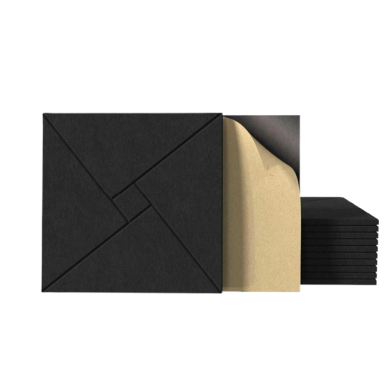
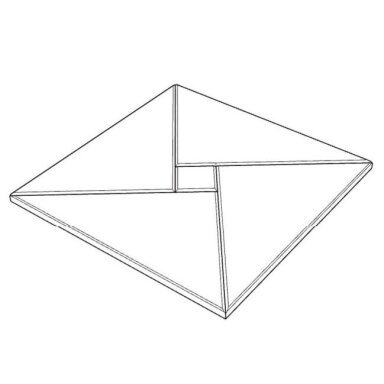
 Acoustic | Sound-Absorbing PET Panel | Pinwheel Pattern Relief | 300x300x9mm | BlackCode: ES-FCX-339Price 2.97 € VAT incl.( 2.45 € VAT excl. )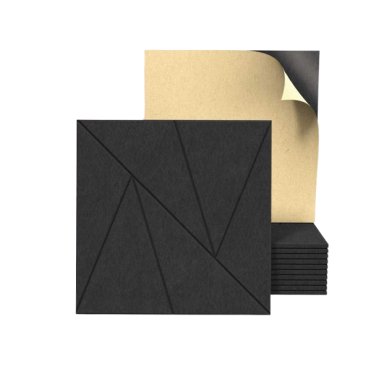
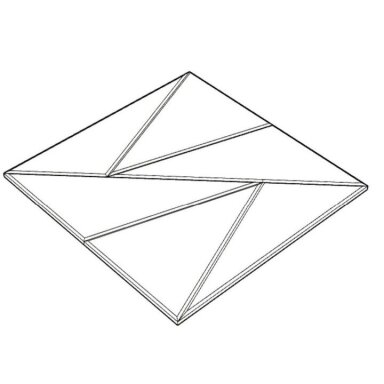 Acoustic | Sound-Absorbing PET Panel | Triangle Pattern Relief | 300x300x9mm | BlackCode: ES-QQB-339Price 3.30 € VAT incl.( 2.73 € VAT excl. )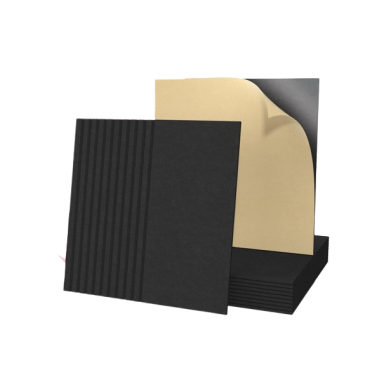
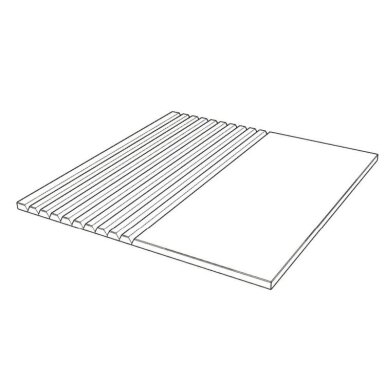 Acoustic | Sound-Absorbing PET Panel | Asymmetrical Slatted Profile | 300x300x9mm | BlackCode: ES-BCX-339Price 3.30 € VAT incl.( 2.73 € VAT excl. )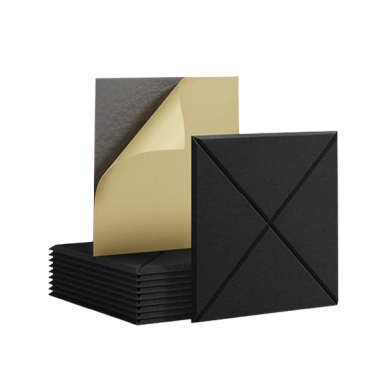
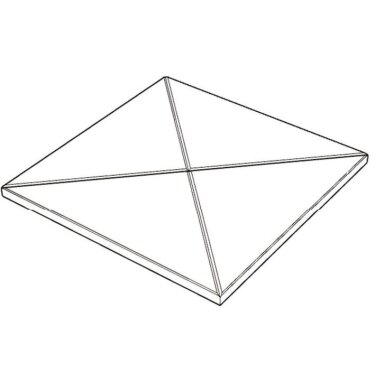 Price 3.30 € VAT incl.( 2.73 € VAT excl. )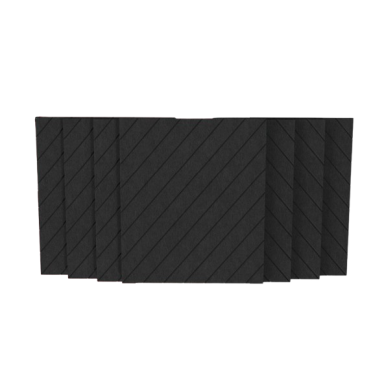
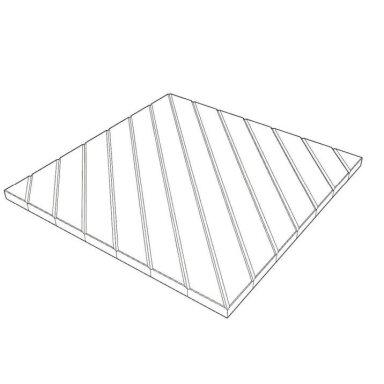 Acoustic | Sound-Absorbing PET Panel | Diagonal Line Relief Pattern | 300x300x9mm | BlackCode: ES-XTX-339Price 3.63 € VAT incl.( 3.00 € VAT excl. )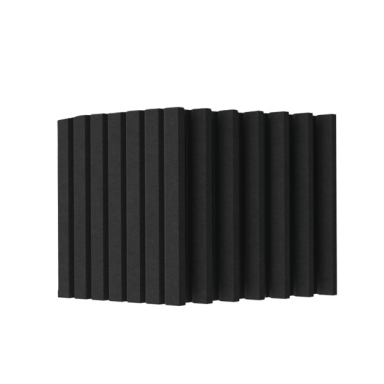
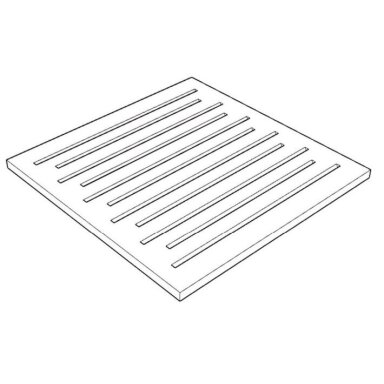
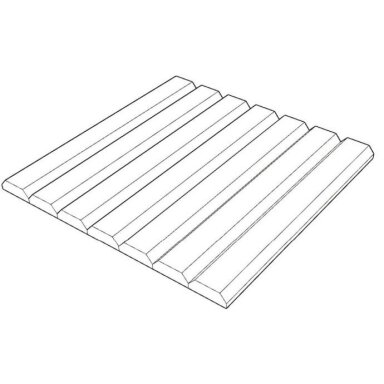 Acoustic | Sound-Absorbing PET Panel | Linear Pattern | Slatted Surface | 300x300x9mm | BlackCode: ES-TX-339Price 3.63 € VAT incl.( 3.00 € VAT excl. )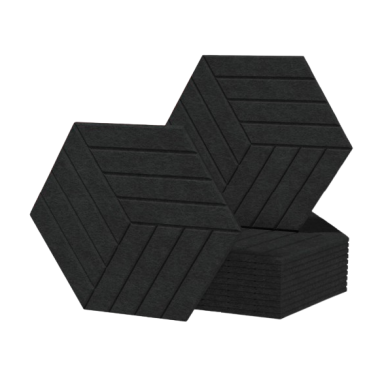
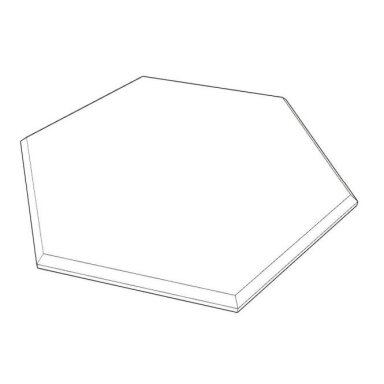
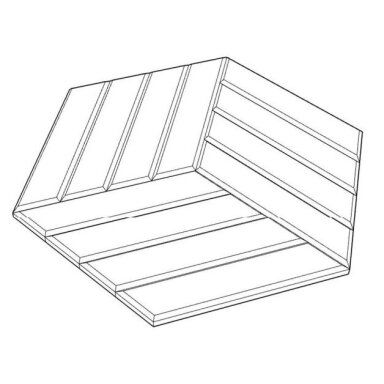 Acoustic | Sound-Absorbing PET Panel | Hexagonal Shape | Linear Pattern Relief | 150x260x300x9mm | BlackCode: ES-LBX-STW-1239Price 3.30 € VAT incl.( 2.73 € VAT excl. )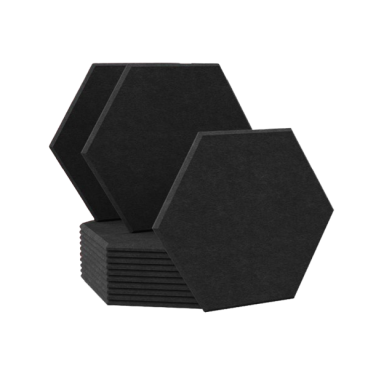
 Price 3.10 € VAT incl.( 2.56 € VAT excl. )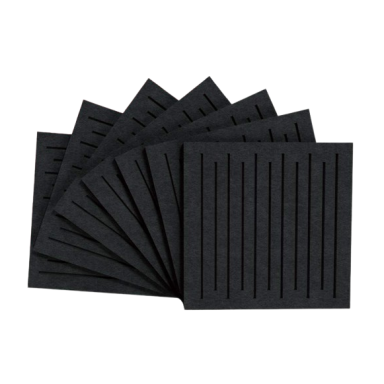
 Price 3.63 € VAT incl.( 3.00 € VAT excl. )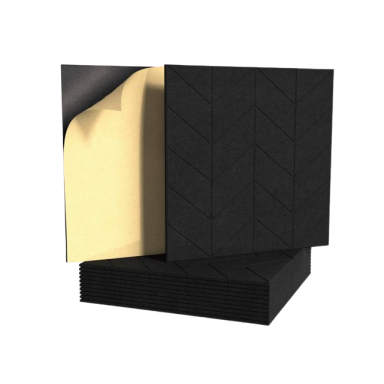
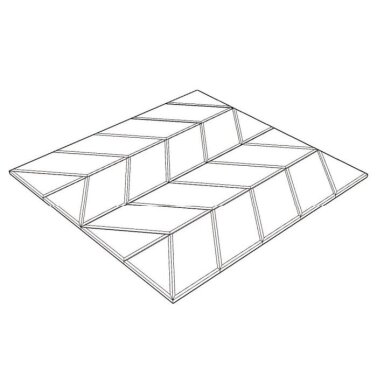 Price 3.63 € VAT incl.( 3.00 € VAT excl. )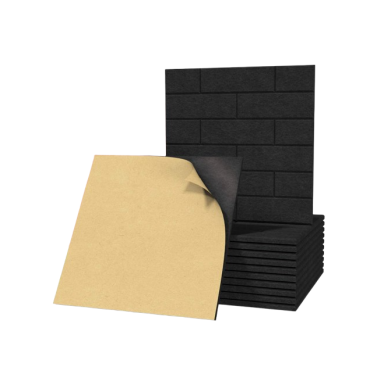
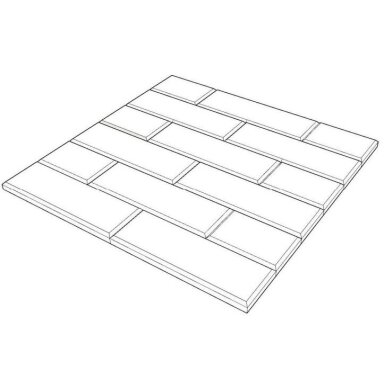 Price 3.63 € VAT incl.( 3.00 € VAT excl. )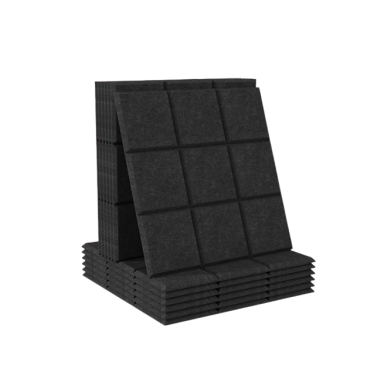
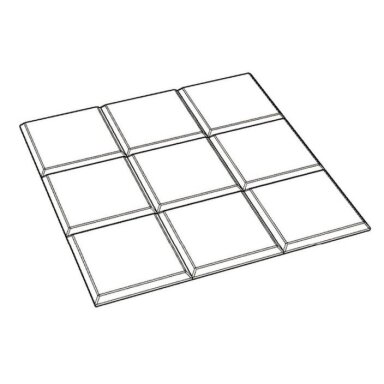 Price 3.23 € VAT incl.( 2.67 € VAT excl. )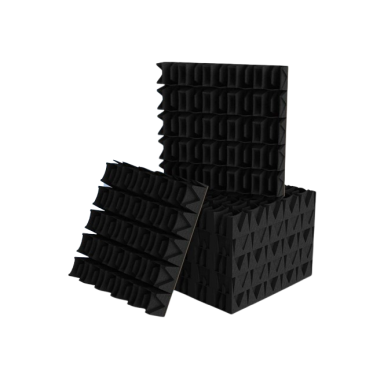
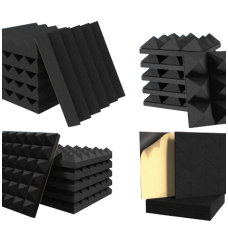
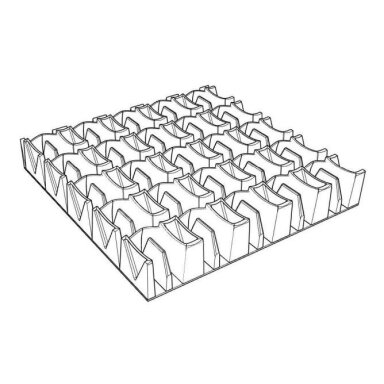 Acoustic | Sound-Absorbing Foam Panel | Dense Pyramid Profile | 300x300x50mm | BlackCode: ES-FCM-335Price 4.62 € VAT incl.( 3.82 € VAT excl. )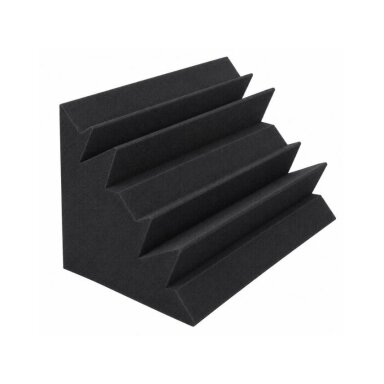
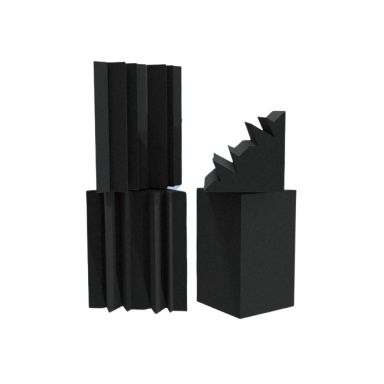 Corner Acoustic | Sound-Absorbing Foam | 180×180×300 mm | BlackCode: ES-DP-183Price 4.62 € VAT incl.( 3.82 € VAT excl. )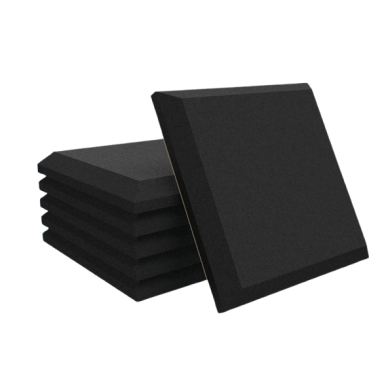
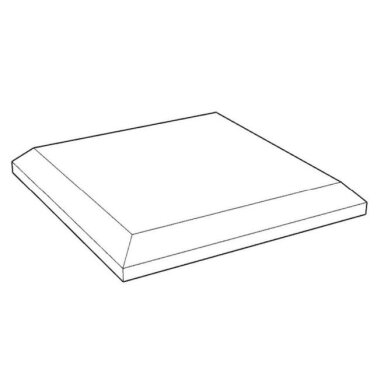 Acoustic | Sound-Absorbing Foam Panel | Square Relief Pattern | 300x300x50mm | BlackCode: ES-DFK-335Price 5.28 € VAT incl.( 4.36 € VAT excl. )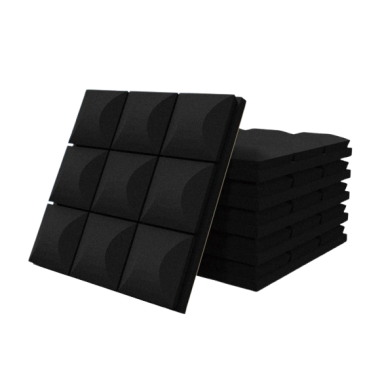
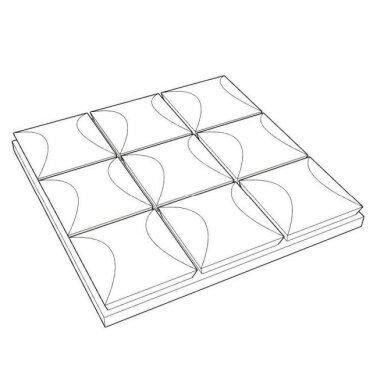 Acoustic | Sound-Absorbing Foam Panel | Convex Relief Pattern | 300x300x50mm | BlackCode: ES-MGT3-335Price 3.63 € VAT incl.( 3.00 € VAT excl. )


