


Backup automatic | manual power transfer switches for generators | uninterrupted power supply
-
ATS guide: how to choose a backup power transfer switch
A transfer switch is not chosen by generator power but by the building's supply: number of phases, rating of the main circuit breaker, earthing system and whether the generator has automatic start. Below – quick choice by situation, how it works, selecting poles and current, the most common mistakes with diagrams and answers to questions.
Colour meaning: ■ information · ■ benefit, solution · ■ ⚠ check · ■ ⚡ safety, mistakes
Contents: What do you need? · How it works · ATS, MTS or controller · PC or CB · 2P, 3P or 4P · Current · What to check · Mistakes · Diagrams · FAQWhat do you need? Quick choice
Situation Solution Where to look House or cottage, single-phase supply, generator up to ~8 kW 2P modular ATS 63–100 A on DIN rail – switches L and N TXATS 2P 63 A, TOATS 2P 63 A, LMS1 2P 100 A House, farm or workshop, three-phase supply, three-phase generator 4P modular ATS 63–125 A – switches L1, L2, L3 and N G2R 4P 63 A, TXATS 4P 100 A, TXATS 4P 125 A The generator has automatic start and must be started when the grid fails ATS controller with a generator start contact and time delays HAT310 controller, Y-702 panel controller A ready-made set is needed for a small generator ATS controller box 3–10 kW, 230 V or 380 V 5 kW 230 V, 10 kW 230 V, 10 kW 380 V The generator is used rarely and started by hand Manual 1-0-2 changeover switch (MTS) – position 0 disconnects both sources 1-0-2 2P 63 A, 1-0-2 changeover switches Hybrid solar inverter with a backup (EPS) output and the grid PV ATS – transfers the load between the inverter output and the grid PV 2P 63 A, PV 4P 63 A, PV 4P 100 A Grid voltage fluctuates – switching is needed not only on power loss ATS with adjustable over- and undervoltage limits 3P 63 A with LCD, three-phase 100 A A single-phase load must automatically use a healthy phase out of 3 Phase selector with protections (not a three-phase load ATS) phase selector 150 A Single-phase load with 3–4 sources Multi-input ATS with source priority 3 inputs, 4 inputs Commercial or production site, supply 100–630 A Panel ATS for higher currents, cabinet-mounted NXZ 4P 250 A, NXZM 3P 400 A, SLQ1 4P 400 A Large site or substation, 1000–1600 A Power ATS 1000–1600 A BYQ1 4P 1600 A, SLQ1 4P 1600 A A correctly selected ATS works without a person
- Automatic transfer – when the grid fails, the load moves to the backup source without manual work.
- The generator is started and stopped automatically – when the ATS or controller has a start contact.
- Grid and generator are never connected together – mechanical and electrical interlock.
- Return to the grid only on stable voltage – a delay prevents reaction to short dips.
How an ATS works with a generator
1. Grid fails→2. Delay 3–10 s→3. Start signal to the generator→4. Voltage and frequency stable→5. Load – to the generator→6. Grid back, delay→7. Load – to the grid, generator cools down and stopsDelays are set in the controller. A simple modular ATS without a controller only transfers the load between two voltages that are already present – it does not start the generator. For that you need an ATS with a start contact or a separate ATS controller, and the generator must have an electric starter and a remote start input.
ATS, MTS or controller – what is the difference
Type How it works Suitable for Manual changeover switch (MTS) 1-0-2 Operated by a handle; position 0 disconnects both sources Occasional generator use, simplest solution Modular ATS (DIN) Built-in controller and drive; 2P, 3P, 4P; up to 125 A Houses, farms, small sites Panel ATS Motor drive, controller with display; 100–1600 A Commercial and industrial sites ATS controller Monitors voltage, starts and stops the generator, controls the switch or contactors When the generator has automatic start PV ATS Transfers between the inverter backup output and the grid Solar plants with a hybrid inverter PC or CB class (IEC 60947-6-1)
PC class – switching device
Makes and withstands short-circuit current but does not break it. Circuit breakers or fuses specified by the manufacturer are required upstream – their type and rating are given in the switch instructions.
CB class – with circuit breakers
Built from motor-operated circuit breakers – overload and short-circuit protection is already inside, so separate upstream protection is usually not needed.
Check the class and utilisation category (AC-31B, AC-33A, etc.) in the manufacturer's datasheet. If the class is not stated, plan the protection as for PC class.
2P, 3P or 4P?
Installation Poles Why Single-phase supply 230 V 2P (L + N) Both L and N are switched – the grid and generator neutrals are not connected together Three-phase supply 400 V with N (TN-S, TN-C-S) 4P (L1, L2, L3, N) N is switched together with the phases – no parallel N and PE paths, RCDs work correctly Three-phase load without N (motors only) 3P N is not used – rare in homes Three-phase supply but a single-phase generator 2P for single-phase circuits A single-phase generator cannot supply three-phase loads – separate the essential single-phase circuits for backup ⚠ If the generator's neutral is bonded to PE (a common case), choose a 4P ATS for a three-phase installation. 3P is suitable only where the design specifies otherwise. → 2Choosing the current
How to calculate: the ATS rated current must be not lower than the rating of the main circuit breaker – on grid supply the whole load of the building flows through it. The generator current is usually lower: single-phase I = P / 230 V, three-phase I = P / (√3 × 400 V × cos φ). E.g. three-phase supply 3×32 A → 4P ATS 63 A; 10 kW generator, cos φ 0.8 → I ≈ 18 A. If the generator is weaker than the supply, feed only essential circuits from it (a separate backup sub-board) or limit the load.
For motors, compressors and heat pumps check the utilisation category: AC-33 – mixed load including motors, AC-31 – resistive or slightly inductive load only.
⚠ What to check before buying
 KibirkštisBefore choosing an ATS I always ask three things: how many phases, what main breaker and whether the generator starts by itself.
What to check Why it matters Number of phases and earthing system This decides 2P or 4P and whether N has to be switched. Main circuit breaker rating The ATS rated current must be not lower. Generator start Automatic start needs a controller with a start contact and a generator with a remote start input. Type of load For motors and compressors – utilisation category AC-33. PC or CB class PC class needs separate short-circuit protection upstream of the ATS. Delay settings The generator must have time to warm up, and short grid dips must not start it. Mounting location IP20 – only inside a closed enclosure; panel ATS – in a cabinet with enough space for cables. ✗ Most common mistakes
Mistake Consequence The generator is connected “backwards” through a socket (plug-to-plug cable) ⚡ The free plug pins are live; if the main switch is not opened, voltage feeds back into the grid – danger to people and line workers. A 3P ATS is used in a three-phase installation while the generator N is bonded to PE N and PE become parallel, part of the neutral current flows in the PE conductor, RCDs trip unexpectedly. The ATS is sized by generator power, not by the supply On grid supply the ATS is overloaded and overheats. A simple ATS without a controller is expected to start the generator Nothing happens on a power cut – the generator is not started. Zero delay is set The load is applied to a cold generator and it stalls; short dips start it for no reason. A PC class ATS without upstream protection The switch is destroyed during a short circuit. Three-phase loads are fed from a single-phase generator Motors do not start or overheat running on a missing phase. 
⚡ Safe installation – advice from Fazė
- Connect a generator to the installation only through a switch that prevents parallel operation with the grid: mechanical and electrical interlock, position 0.
- Before work, disconnect both the grid and the generator. The ATS controller may start the generator unexpectedly – switch off automatic mode.
- Make the generator N–PE bond and earthing according to the manufacturer's instructions and the earthing system of the site.
- Coordinate the connection of a stationary generator with the design and, where the connection conditions require it, with the grid operator. Work is carried out by a qualified electrician.
☝ Elsprendimai.eu recommends: complete your backup power system with generators, surge protective devices, voltage relays, 1-0-2 changeover switches, hybrid inverters, power analysers.Diagrams: how it is often done and how it should be
In each diagram the most common mistake is on the left and the correct solution on the right. The numbers in the diagram match the explanations below it.
Diagram 1. Connecting a generator: via a socket or via an ATS. A generator must not be connected to a house installation in a way that lets its voltage reach the distribution grid or lets the grid and the generator meet.
KibirkštisDuring a power cut I plug the generator into a socket with a double-plug cable and everything works. What is wrong?
FazėThe free plug is at 230 V, and if the main switch is on, the generator also feeds the street line. When the grid returns, they meet. Connect only through an ATS or a 1-0-2 switch.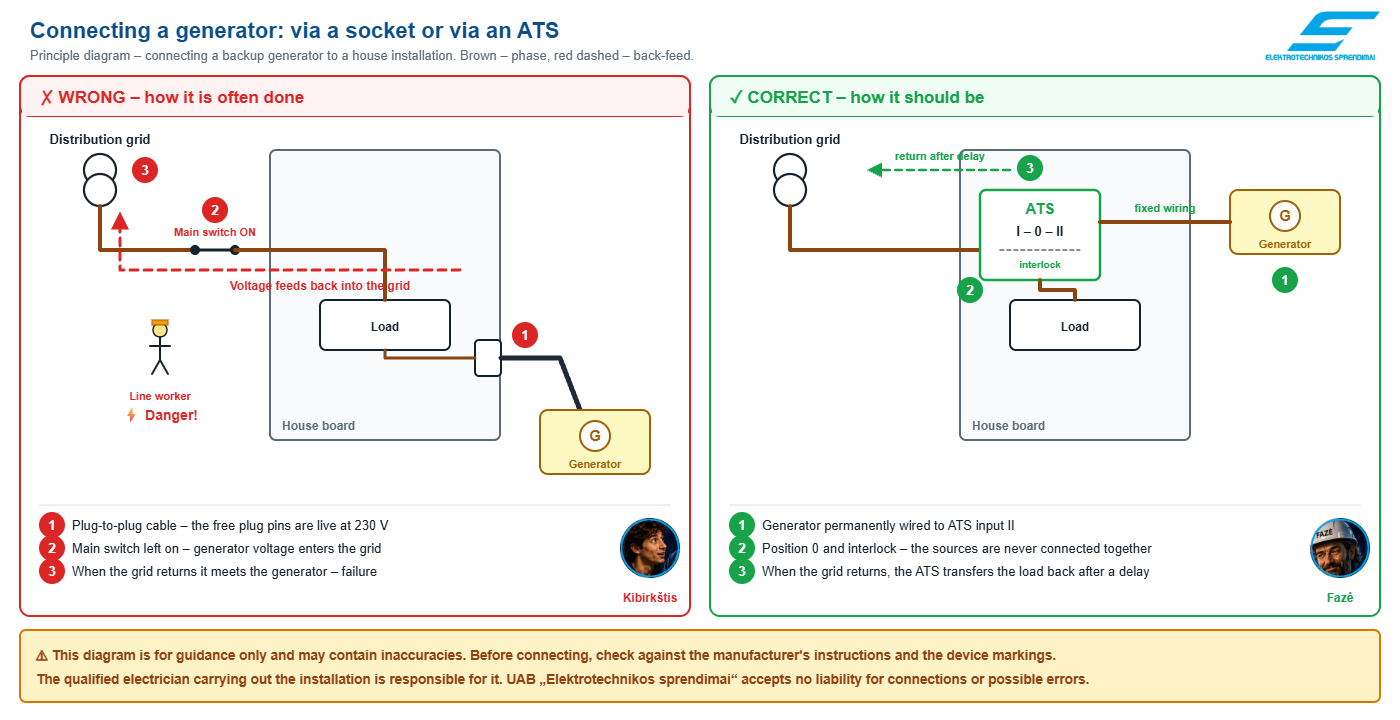 ☝ Click the diagram to open the enlarged version.⚠ This diagram is for guidance only and may contain inaccuracies. Before connecting, check against the manufacturer's instructions and the device markings.
The qualified electrician carrying out the installation is responsible for it. UAB „Elektrotechnikos sprendimai“ accepts no liability for connections or possible errors.Why – explanation by the numbers in the diagram
1Connection through a socket
✗ plug-to-plug cable → ✓ the generator is connected only through an ATS or a 1-0-2 switch
Why: A socket outlet is meant for a load, not a source. With one end of the cable in the generator, the pins of the other plug are at 230 V and can be touched. Such a connection also bypasses the installation protection – the cable and the socket are not rated for the whole house load.
2Back-feed into the grid
✗ main switch not opened → ✓ position 0 and interlock separate the sources
Why: If the main switch is left on, the generator voltage passes through the meter into the distribution grid and can be stepped up by the transformer. Line workers who believe the line is dead can be injured. The design of an ATS or MTS does not allow both sources to be connected at the same time.
3Grid return
✗ grid and generator meet → ✓ the ATS transfers the load back to the grid itself
Why: If grid voltage returns while the generator is still connected, two unsynchronised sources are joined. Large equalising currents flow: generator windings, cables and contacts burn. An ATS first disconnects the generator and only then, after a delay, connects the grid.
Diagram 2. Three-phase installation: 3P or 4P ATS. In a three-phase installation it is important not only to switch the phases but also to decide what happens with the neutral. When the generator N is bonded to PE, N must be switched together with the phases.
KibirkštisWhy am I offered a 4P ATS when there are only three phases?
FazėThe fourth pole switches the neutral. Otherwise the N–PE points of the grid and the generator are connected in parallel – RCDs start tripping for no reason.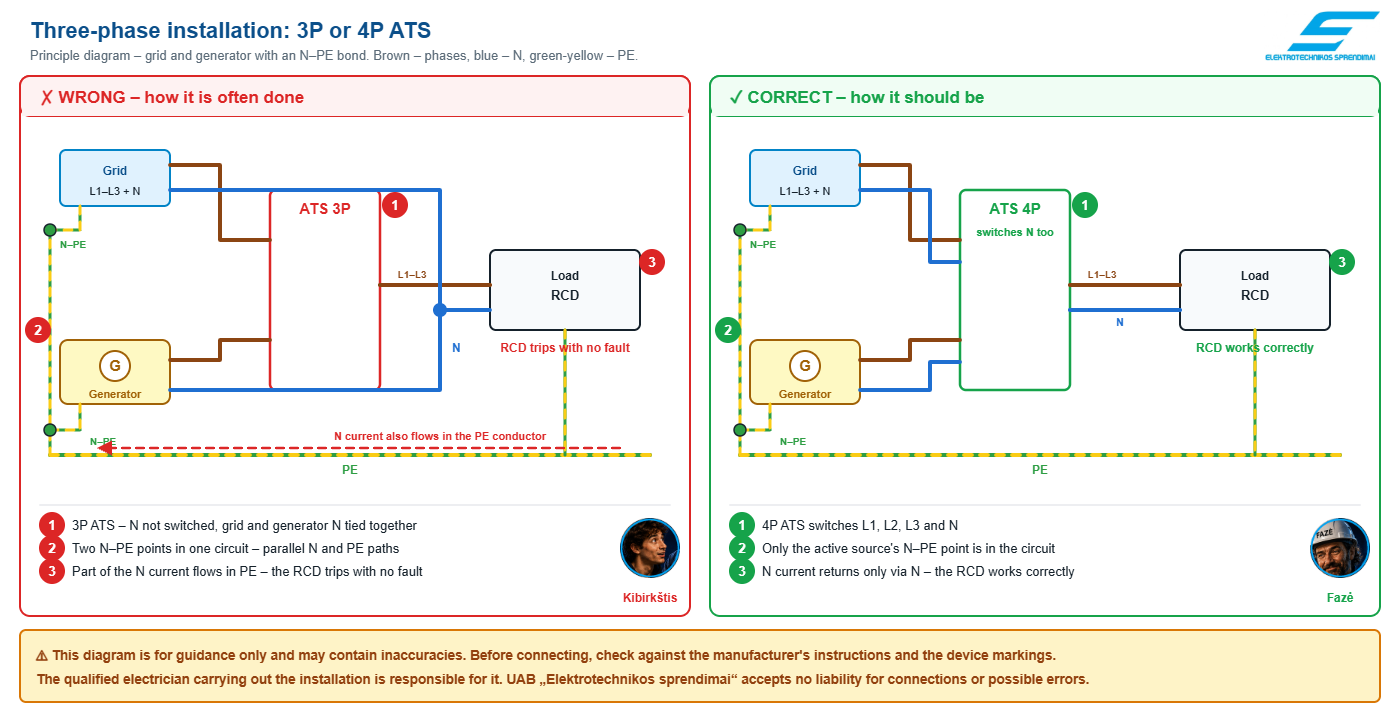 ☝ Click the diagram to open the enlarged version.⚠ This diagram is for guidance only and may contain inaccuracies. Before connecting, check against the manufacturer's instructions and the device markings.
The qualified electrician carrying out the installation is responsible for it. UAB „Elektrotechnikos sprendimai“ accepts no liability for connections or possible errors.Why – explanation by the numbers in the diagram
1Switching N
✗ 3P ATS, N permanently connected → ✓ 4P ATS switches L1, L2, L3 and N
Why: With a 3P ATS the grid and generator neutrals stay permanently connected. Whichever source is supplying, both N–PE bonding points remain in one circuit. A 4P ATS disconnects the neutral together with the phases, so only one source with its own N–PE point is in operation.
2Parallel N and PE paths
✗ neutral current splits between N and PE → ✓ each source has one N–PE point
Why: When N and PE are bonded at two points, part of the operating neutral current flows through the protective conductor PE and the earth. The PE conductor is intended only for fault currents – continuous current in it causes interference, corrosion and dangerous potentials on metal structures.
3RCD operation
✗ the RCD trips for no reason → ✓ the RCD works correctly
Why: An RCD compares the current in the phase and N conductors. If part of the neutral current returns via PE, the RCD sees an imbalance and disconnects the circuit although there is no fault. With N switched, the neutral current returns only via N and the RCD reacts only to real leakage.
Frequently asked questions
Questions from Kibirkštis – a young, curious electrician. Answers from Fazė – an experienced engineer.
KibirkštisDoes an ATS suit any generator?
FazėFor switching – yes, if the voltage and number of phases match. Automatic start is possible only for a generator with an electric starter and a remote start input – it is controlled by the ATS controller via the start contact.
KibirkštisHow long does the transfer take?
FazėBetween two sources that are already present – from tens of milliseconds to a few seconds, depending on the model. With a generator the total time depends on starting and delays, usually 10–60 s. If the load must not be interrupted even for a moment, a UPS is needed.
KibirkštisDoes an ATS protect against short circuits?
FazėPC class – no, circuit breakers or fuses are needed upstream. A CB class ATS already has protection.
KibirkštisDoes a house need 2P or 4P?
FazėSingle-phase supply – 2P, three-phase supply with neutral – 4P. 3P is used only for a three-phase load without N.
KibirkštisCan an ATS be used with a solar inverter?
FazėWith the backup (EPS) output of a hybrid inverter – yes, PV ATS units are made for that. An on-grid inverter shuts down when the grid fails, so it will not provide backup power.
KibirkštisCan I install it myself?
FazėAn ATS is connected in the main supply circuit, so it is installed by a qualified electrician. We will help you choose the switch, controller and protection.
KibirkštisDo you help select a complete set?
FazėYes. Send the supply details (phases, main breaker), generator power and start method – we will select a compatible solution and send an offer.Sources
- IEC 60947-6-1 – transfer switching equipment (PC and CB classes, utilisation categories AC-31…AC-33)
- IEC 60364-5-55, clause 551 – low-voltage generating sets
- IEC 60364-4-41 – protection against electric shock
Prepared 2026-10-07.
We will select an ATS for your supply and generator
Modular and panel ATS, manual changeover switches, controllers, protection and generators – in one place. Send the supply and generator details: we will select a matching set and send an offer.
Get an offer 1 - 16 of 94
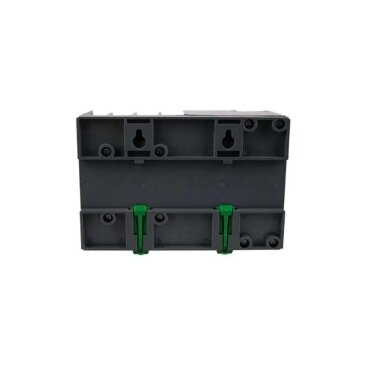
 Automatic power transfer switch for generators 4P | 230V | 100ACode: EL-GM4P/100Price 156.09 € VAT incl.( 129.00 € VAT excl. )Automatic transfer switch ATS CHINT NXZ-630/4 | 4P | 630 A | 400/415 V | PC classCode: ES-NXZ-630/4PPrice 1250.60 € VAT incl.( 1033.55 € VAT excl. )Automatic transfer switch ATS CHINT NXZ-125/4 | 4P | 125 A | 400/415 V | PC classCode: ES-NXZ-125/4PPrice 750.36 € VAT incl.( 620.13 € VAT excl. )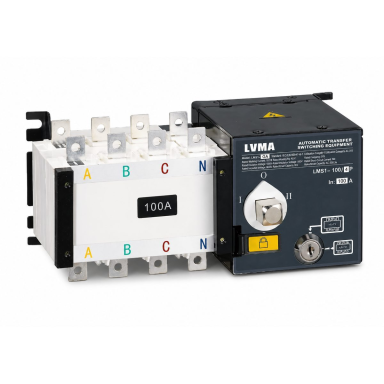
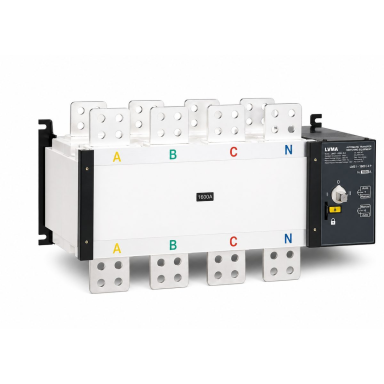
 Automatic transfer switch ATS LVMA LMS1-100GA | 2P | 100 A | 220 V | PC class | Icm 10 kACode: ES-LMS1-100GAPrice 97.07 € VAT incl.( 80.22 € VAT excl. )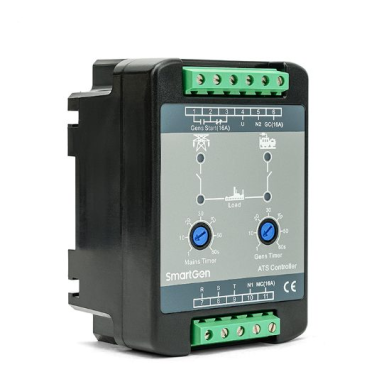
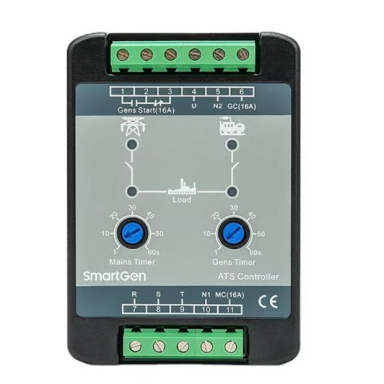 ATS controller SmartGen HAT310 | grid 3-phase – generator 1-phase | generator start | 16 A relays | DINCode: ES-HAT310Price 131.59 € VAT incl.( 108.75 € VAT excl. )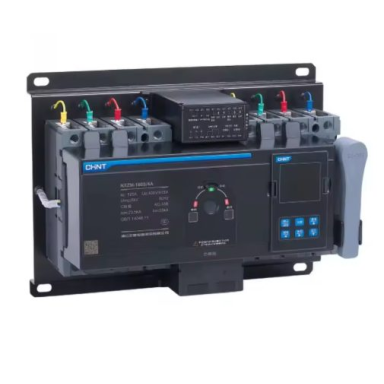
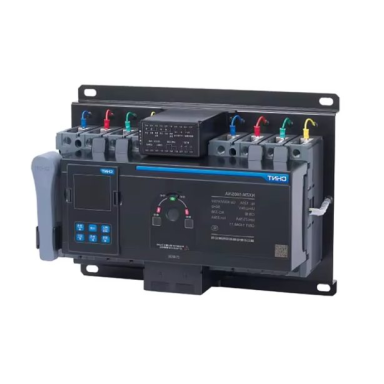 Automatic transfer switch ATS CHINT NXZM-800S/3 | 3P | 800 A | 400/415 V | CB classCode: ES-NXZM-160S-800Price 534.48 € VAT incl.( 441.72 € VAT excl. )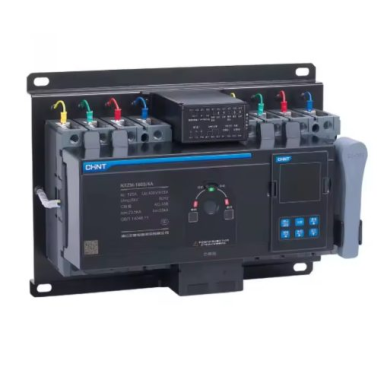
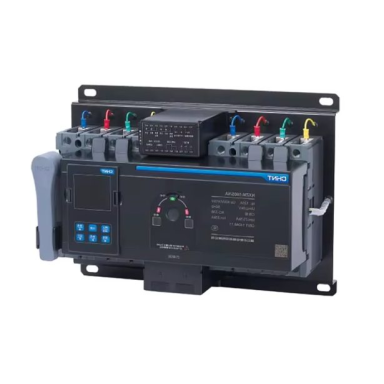 Automatic transfer switch ATS CHINT NXZM-630S/3 | 3P | 630 A | 400/415 V | CB classCode: ES-NXZM-160S-630Price 534.48 € VAT incl.( 441.72 € VAT excl. )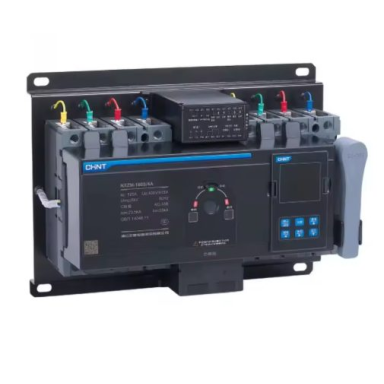
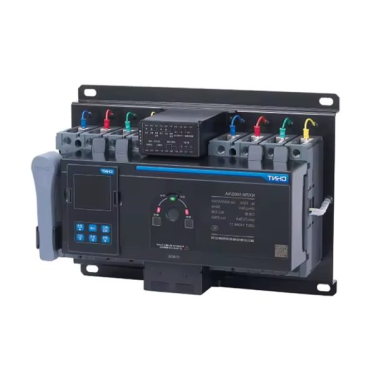 Automatic transfer switch ATS CHINT NXZM-400S/3 | 3P | 400 A | 400/415 V | CB classCode: ES-NXZM-160S-400Price 534.48 € VAT incl.( 441.72 € VAT excl. )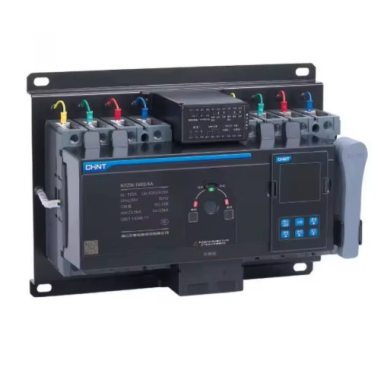
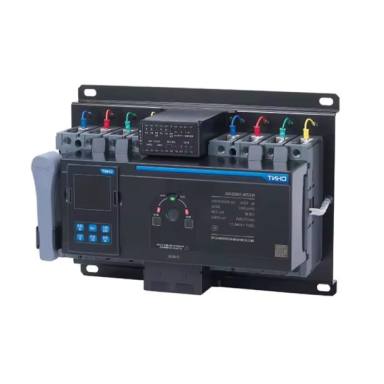 Automatic transfer switch ATS CHINT NXZM-250S/3 | 3P | 250 A | 400/415 V | CB classCode: ES-NXZM-160S-250Price 534.48 € VAT incl.( 441.72 € VAT excl. )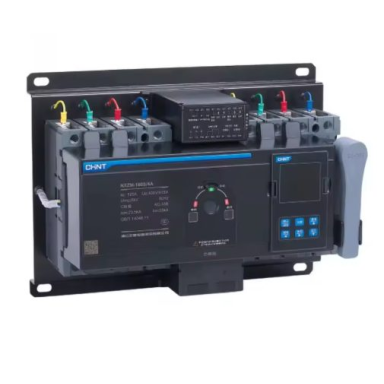
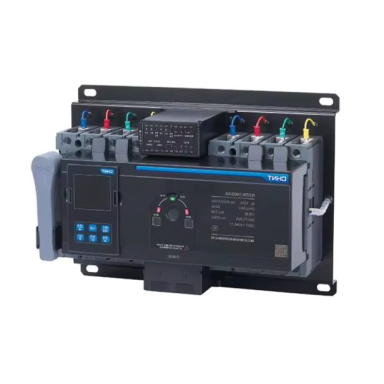 Automatic transfer switch ATS CHINT NXZM-160S/3 | 3P | 160 A | 400/415 V | CB classCode: ES-NXZM-160S-160Price 534.48 € VAT incl.( 441.72 € VAT excl. )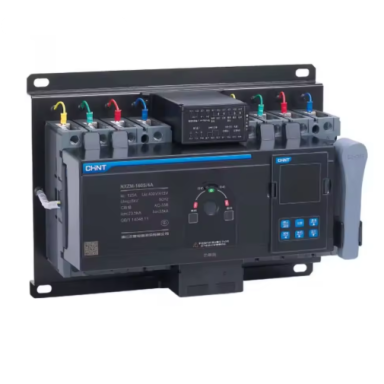
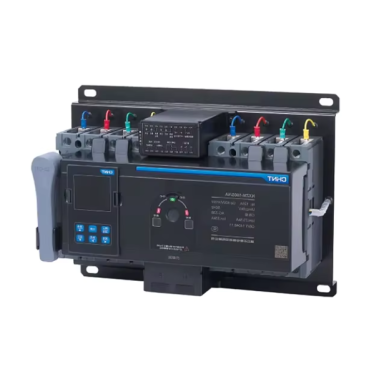 Automatic transfer switch ATS CHINT NXZM-160S/3 | 3P | 125 A | 400/415 V | CB classCode: ES-NXZM-160S-125Price 534.48 € VAT incl.( 441.72 € VAT excl. )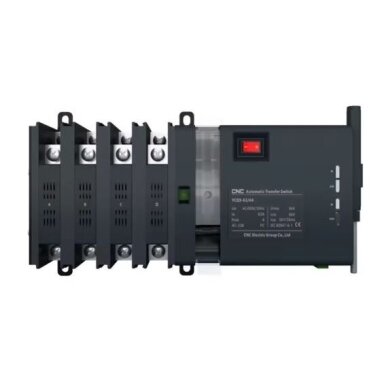
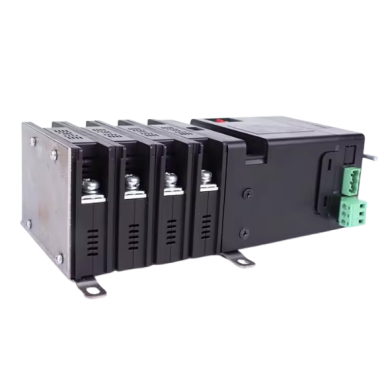 Automatic transfer switch ATS SaiLingsi SLQ6 | 2P | 63 A | 230 V | PC classCode: ES-SLQ6-63A/2Price 78.65 € VAT incl.( 65.00 € VAT excl. )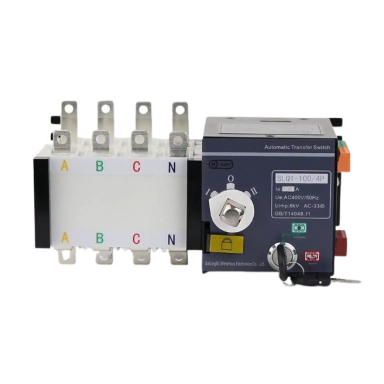
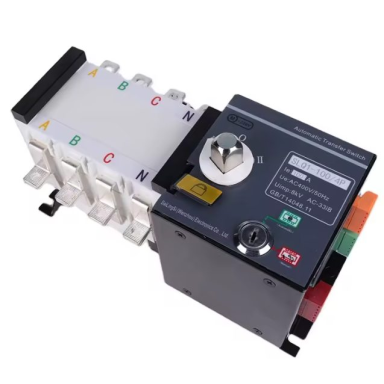 Automatic transfer switch ATS SaiLingsi SLQ1 | 3P | 1600 A | 400 V | three-phase monitoring | 2 inputs – 1 outputCode: ES-SLQ1-1600A/3Price 1091.42 € VAT incl.( 902.00 € VAT excl. )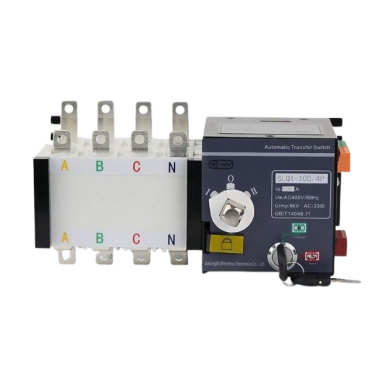
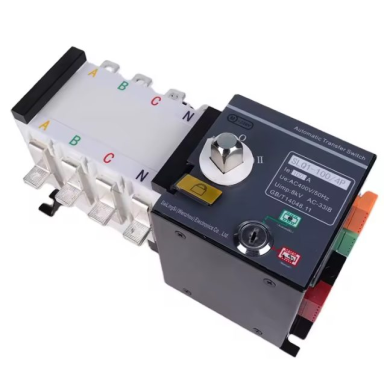 Automatic transfer switch ATS SaiLingsi SLQ1 | 3P | 1250 A | 400 V | three-phase monitoring | 2 inputs – 1 outputCode: ES-SLQ1-1250A/3Price 1011.56 € VAT incl.( 836.00 € VAT excl. )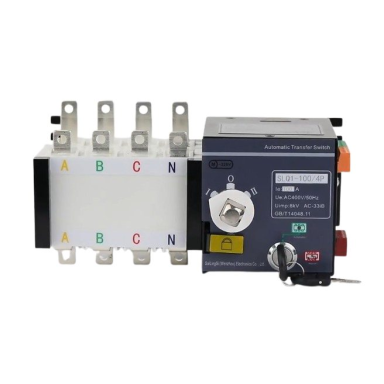
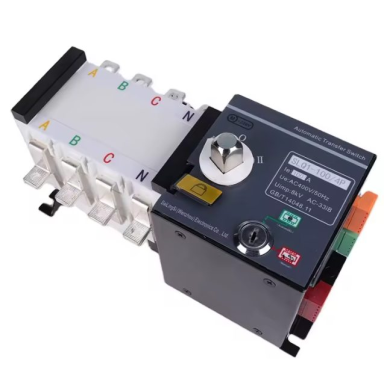 Automatic transfer switch ATS SaiLingsi SLQ1 | 3P | 1000 A | 400 V | three-phase monitoring | 2 inputs – 1 outputCode: ES-SLQ1-1000A/3Price 890.56 € VAT incl.( 736.00 € VAT excl. )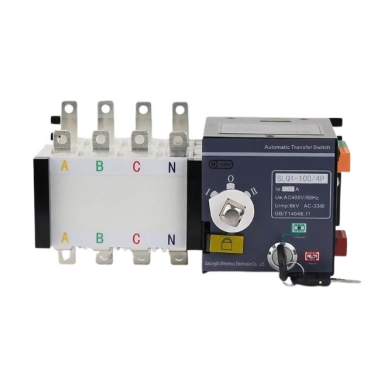
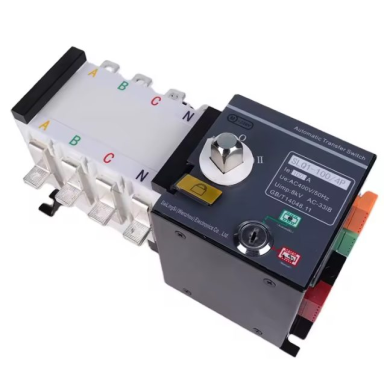 Automatic transfer switch ATS SaiLingsi SLQ1 | 3P | 630 A | 400 V | three-phase monitoring | 2 inputs – 1 outputCode: ES-SLQ1-630A/3Price 363.00 € VAT incl.( 300.00 € VAT excl. )


